 Preview
 Send
Send Share
Share
 Details

 Download
 Similars
 X-Ray
X-Ray Diaporama
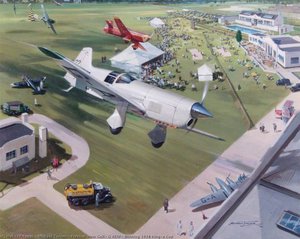
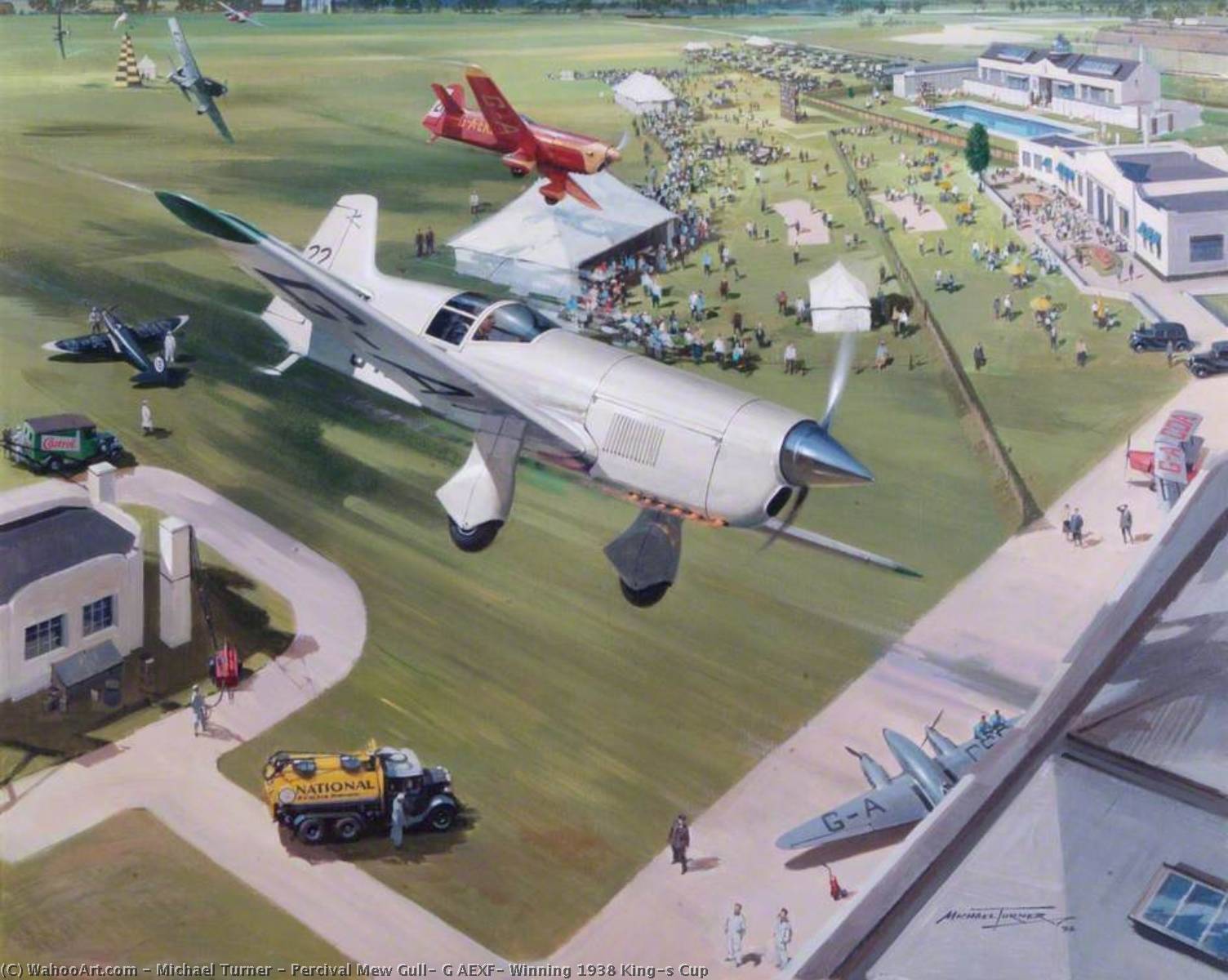
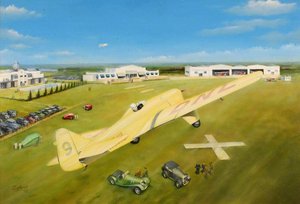
Percival Mew Gull, G AEXF, Winning 1938 King's Cup
 1994
1994 59.0 x 75.0 cm
 Read More
Hand Made Oil Reproduction
Hand-painted oil on canvas in your size and frame, made to order by our artists. ( Buy Print Buy Image)




































Pick from our preset sizes that match the artwork's original proportions.

You may enter your own dimensions to fit a specific frame or space. If your selected size does not match the original image's proportions, we will either crop the artwork or extend the painting with additional hand-painted elements. A digital mockup will be sent for your approval before production begins.
Please note that the on-screen preview does not reflect the actual cropping or extension. Only the mockup will accurately show the final composition.
While custom sizes are available, we recommend selecting a dimension from the predefined list to preserve the original proportions.
After order, ArtsDot.com team will email client for instructions and provide a mockup preview
Worldwide Delivery () in 3/4 weeks instead of standard 5 weeks. (26 August). No compromise on quality.

Free Worldwide Express Shipping

High-Quality Linen Canvas

Full Shipping Insurance

Customs Tax Refund Guarantee

True Color Matching Guarantee

60-Day Return Policy (Defects Only)

100% Money-Back Guarantee

Bulk Discount Offer
 Glass option is only available in size under 110 CM

Percival Mew Gull, G AEXF, Winning 1938 King's Cup
Reproduction Medium
Reproduction Size
-


Total Price
$ 263
Related Artworks








Artist Biography
The Atmospheric Vision of Michael Turner
In the vast and often turbulent landscape of British wildlife art, few names resonate with the same evocative power as Michael Turner. Born in Harrow, England, in 1934, Turner emerged not merely as an illustrator, but as a poet of the natural world. His work serves as a profound meditation on the fleeting moments of life, particularly through his breathtaking depictions of birds—most notably gulls and hawks. To gaze upon a Turner painting is to experience the raw drama of nature; he possessed an instinctive ability to translate the weight of a wingbeat and the chilling descent of a predator into luminous pigments and expressive strokes. While many of his contemporaries sought the sterile perfection of photographic realism, Turner embraced a more soulful approach, utilizing a looser brushstroke technique that prioritized the spirit of his subjects over mere anatomical documentation.
This mastery of atmosphere was deeply rooted in his early encounters with the masters of light. The influence of Impressionist giants such as Claude Monet and Pierre-Auguste Renoir is woven into the very fabric of his style. From them, he learned the art of capturing the ephemeral—the way sunlight fractures through mist or how color shifts during a sudden storm. His formal training at the Chelsea School of Art and later at Ruskin College Oxford provided him with the technical foundation to execute these visions, allowing him to develop a signature use of watercolor characterized by translucent washes and a dynamic handling of pigment that breathed life into every feather and cloud.
A Legacy of Precision and Exploration
Turner’s career was marked by a rare duality: the ability to marry scientific observation with profound emotional depth. This unique intersection made him a sought-after figure for prestigious commissions that required both accuracy and artistry. His work for the Royal Society for Ornithology and his documentation of the wildlife of Antarctica during the British Antarctic Expedition stand as monumental achievements in his repertoire. In these works, he acted as a visual chronicler, capturing the stark, unforgiving beauty of the frozen south with a precision that served scientific purpose while never sacrificing the sense of wonder that defines his oeuvre.
Beyond the realm of ornithology, Turner’s artistic reach extended into the mechanical elegance of the human world. As a highly regarded illustrator of motoring and aviation, he brought the same atmospheric intensity to the roar of an engine or the sleek silhouette of a racing car as he did to the flight of a hawk. His client list was a testament to his versatility and prestige, encompassing:
- Racing drivers and motorsport teams who sought his ability to capture speed and motion.
- Pilots and aircraft manufacturers drawn to his evocative aviation paintings.
- The Royal Air Force (R.A.F.) and Army messes, where his work celebrated military heritage.
- Museums and private collectors worldwide, who recognized him as a pioneer of his genre.
Ultimately, the historical significance of Michael Turner lies in his refusal to separate the subject from its environment. His paintings are never isolated portraits; they are immersive ecosystems. Whether documenting the triumph of the Percival Mew Gull or the quiet dignity of a solitary bird, Turner’s legacy remains an enduring testament to the beauty of movement, light, and the untamed spirit of the natural world.
michael turner
1934 - , United Kingdom
Quick Facts
- Artistic Movement Or Style: Wildlife Art
- Date Of Birth: 1934
- Full Name: Michael Turner
- Nationality: British
- Notable Artworks:
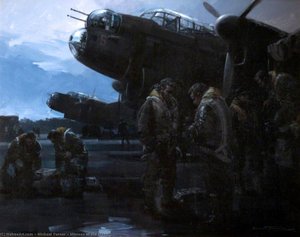
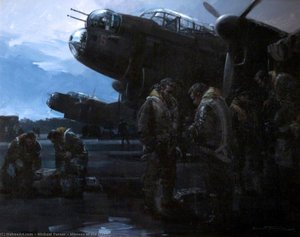
- Minions of the Moon
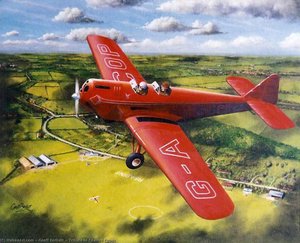
- Percival Mew Gull
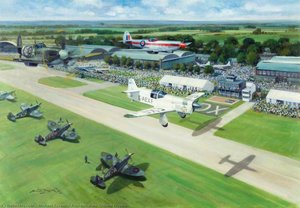
- Alex Henshaw Tribute Flypast
- Place Of Birth: Harrow, United Kingdom