

 Preview
 Send
Send Share
Share
 Details

 Download
 Similars
 X-Ray
X-Ray Diaporama
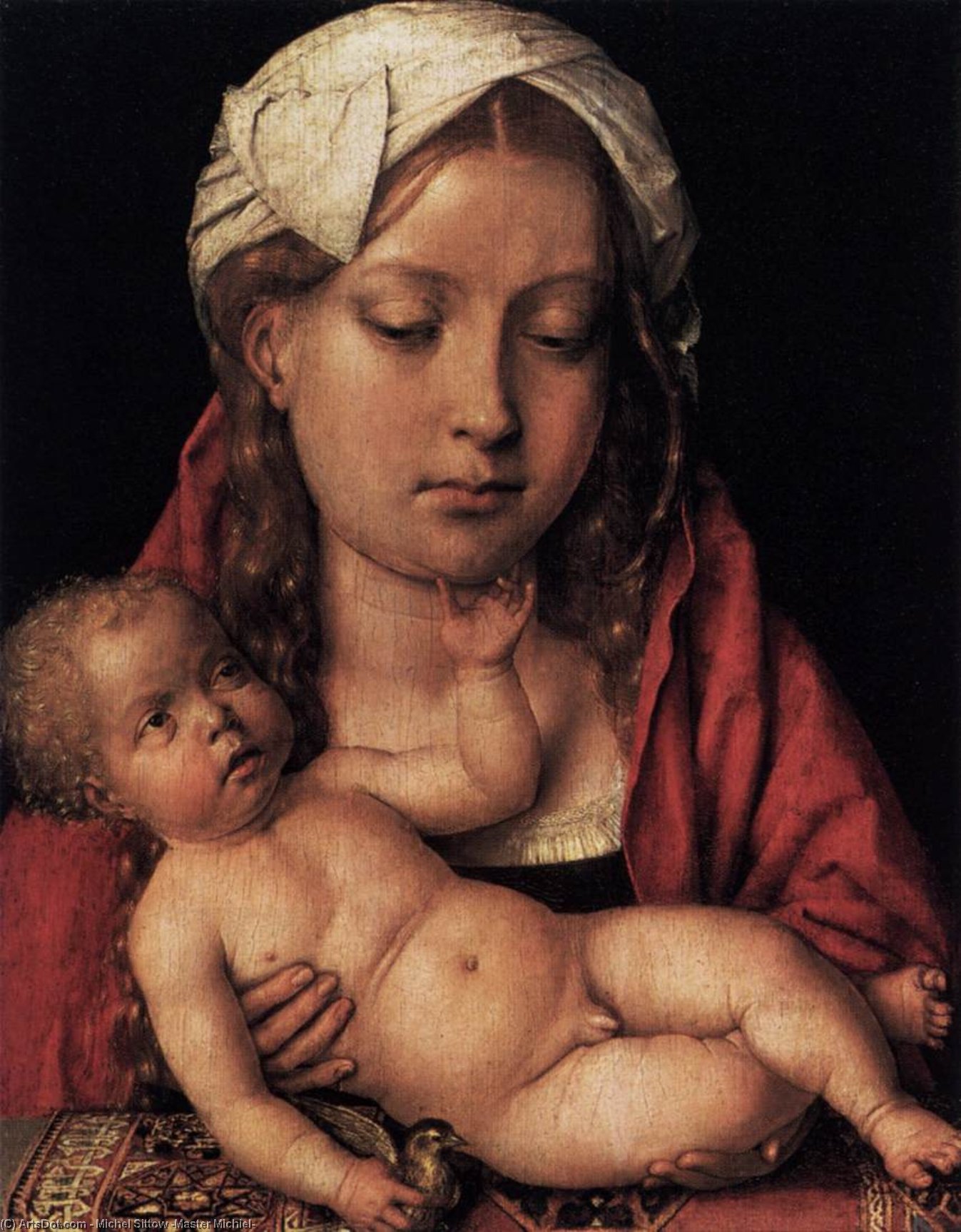
Virgin and Child
 Oil On Canvas
- WallArt
- Early Netherlandish
 1515
1515- Renaissance
 32.0 x 25.0 cm
 Staatliche Museen
 Read More
Purchase a high-resolution, enhanced digital image, far superior to the online preview.
Each file is meticulously prepared by our in-house specialists using advanced tools and expert manual retouching. We ensure every image has exceptional clarity, precise color accuracy, and fine detail.
The final file is delivered via email within 72 hours, optimized for immediate use in professional, editorial, and print environments. This is the same quality trusted by top-tier design studios, publishers, and galleries.
Digital Image
Download a high-resolution file for personal display, printing, and creative projects. ( Buy Print Buy Hand Made Painting)
Included in Every Digital Image Order
Expert Digital Delivery, Guaranteed
When you choose ArtsDot.com, you're not just getting an image - you're receiving a professionally enhanced digital artwork, crafted with precision and backed by a satisfaction guarantee. Here's everything that comes with your order, automatically:

Fast Email Delivery
Your high-resolution digital image file will be emailed to you within 72 hours of ordering - ready for immediate use.

AI-Enhanced Digital File
Your artwork is professionally optimized using advanced AI tools and manual editing, ensuring maximum detail, clarity, and color accuracy.

Free Lifetime Re-Delivery
Accidentally deleted or lost your file? No worries - we'll resend it to you anytime, free of charge.

No Import Fees - Ever
Enjoy your artwork instantly with zero customs, duties, or delivery fees - digital downloads are always tax-free.

Color Accuracy Guarantee
We ensure your digital image reflects the original colors as closely as possible using professional tools and color management.

60-Day Satisfaction Guarantee
If you're not satisfied with your digital image, we'll revise it or refund 100% within 60 days - no questions asked.

100% Money-Back Guarantee
Not satisfied? Get a full refund within 60 days of receiving your digital file - no questions asked.

Bulk Order Discounts
Buy 3 images, save 10% - Buy 5, save 15% - Buy 10+, save 20%. Great for creative projects, galleries, and agencies.
Collectible Description
A Vision of Maternal Grace: The Virgin and Child
To gaze upon this depiction of the Virgin and Child is to step into a moment suspended in divine tenderness. The painting captures not merely two figures, but an eternal bond—the profound connection between mother and offspring, imbued with sacred weight. The composition immediately draws the eye to the rich interplay of color and gesture. The Virgin Mary, clad in robes of vibrant red, presents an image of serene majesty, her veil lending an air of contemplative mystery. She cradles the infant Jesus, who too is adorned in complementary shades of red, unifying the figures within a warm, devotional embrace. It is a masterpiece that speaks directly to the human heart while simultaneously elevating it toward the sublime.
Mastery in Early Netherlandish Technique
This work bears the unmistakable hallmark of Michael Sittow (Master Michiel), an artist whose skill placed him among the most meticulous painters of his era. Dating from 1515, it exemplifies the peak of Early Netherlandish painting traditions. One can almost feel the painstaking detail in the brushwork; every fold of fabric, every delicate line defining a hand or a profile, speaks to the artist's profound technical command. Sittow’s ability to render texture—the softness of Mary’s veil against the richness of her gown—is breathtaking. His technique allowed for an almost hyper-realistic depiction that never sacrifices spiritual depth for mere imitation.
Symbolism and Emotional Resonance
The symbolism woven into this piece is deeply resonant with Christian iconography. The red garments are potent symbols, often associated with divine love, sacrifice, and royalty, underscoring the dual nature of Mary’s role—both earthly mother and heavenly queen. Yet, beyond the overt religious meaning, there is a palpable emotional current. The gentle tilt of the heads, the implied gaze between mother and child, creates an intimacy that transcends centuries. For the modern admirer, this painting offers a powerful conduit to contemplation; it invites quiet reflection on nurture, devotion, and enduring love.
Bringing Sacred Artistry Home
For those seeking to infuse a space with the gravitas and beauty of Renaissance artistry, a reproduction of this Virgin and Child is more than mere decoration; it is an heirloom piece of visual poetry. The rich palette and exquisite detail captured in the original make it a stunning focal point for any gallery wall or devotional corner. Owning a representation of Sittow’s hand allows one to connect with the sophisticated patronage and profound artistic currents of the early 16th century, bringing home not just paint on canvas, but a piece of history steeped in devotion.
Related Artworks
Artist Biography
The Master of Meticulous Detail: The Life of Michel Sittow
In the grand tapestry of the Northern Renaissance, few threads are as finely woven as those left by Michel Sittow, a painter whose brush captured not only the physical likeness of royalty but the very essence of the human soul. Known variously as Master Michiel or Michael Sittow, this master of the Early Netherlandish tradition emerged from the Baltic shores of Reval—modern-day Tallinn, Estonia—to become one of the most sought-after portraitists in the courts of Europe. His life was a journey of movement and prestige, spanning from the merchant hubs of the North to the sun-drenched palaces of Spain, leaving behind a legacy defined by an almost supernatural precision and a profound psychological depth.
Born around 1469 into a family of skilled artisans, Sittow’s early years were steeped in the traditions of craftsmanship. His father, Clawes Sittow, was a painter and woodcarver, providing the young artist with a foundational understanding of form and material. However, it was his move to the vibrant, cosmopolitan center of Bruges around 1484 that would irrevocably alter the course of his career. It was here, in the heart of Flemish excellence, that he entered the studio of the legendary Hans Memling. Under Memling’s tutelage, Sittow mastered the delicate art of oil painting, learning to manipulate light and pigment to create textures so lifories they seemed to breathe upon the panel.
A Courtly Legacy and the Art of Portraiture
As his reputation grew, Sittow’s talent transcended regional boundaries, drawing him into the intimate circles of the most powerful dynasties of the age. His career was uniquely defined by his service to Isabella of Castile and her Habsburg relatives. As a court portraitist, he was tasked with more than mere documentation; he was an architect of image, crafting portraits that conveyed the dignity, piety, and authority of his subjects. This period of his life saw him navigating the complex political landscapes of Spain and the Netherlands, often working alongside other luminaries like Juan de Flandes.
The hallmark of a Sittow masterpiece lies in its quiet intensity. Unlike the grand, sweeping gestures found in some Italian Renaissance works, Sittow’s approach was one of restrained elegance and microscopic observation. His ability to render the subtle sheen of silk, the cold glint of jewelry, and the soft translucency of skin became his signature. In his hands, a portrait was not just a likeness but a window into the sitter's inner world, characterized by:
- Psychological Insight: A profound ability to capture a sense of introspection and quiet dignity in his subjects.
- Luminous Realism: The use of thin, translucent glazes to create a depth of color and light that defines the Netherlandish style.
- Meticulous Detail: An unwavering commitment to the minute textures of the physical world, from lace to velvet.
Devotional Depth and Enduring Significance
While his portraits secured his place in history, Sittow’s devotional works reveal a different facet of his artistry—one of deep spiritual resonance. In pieces such as The Virgin and Child or his poignant Pietà, the artist moved away from the courtly splendor of his royal commissions to explore themes of tenderness, sorrow, and divine grace. These works demonstrate his mastery of the emotional landscape, using the same precision applied to royal jewels to instead capture the weight of grief or the softness of maternal love.
The historical significance of Michel Sittow lies in his role as a bridge between the late Gothic traditions of his youth and the burgeoning humanism of the Renaissance. He carried the meticulous techniques of the Flemish masters into the heart of the Spanish court, influencing the development of portraiture in the Iberian Peninsula for generations. Though he passed away in the early 16th century, his ability to freeze a moment of profound humanity within a frame of exquisite beauty ensures that his name remains etched in the annals of art history, inviting every viewer to look closer and feel more deeply.
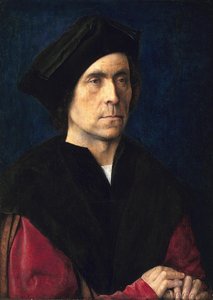
michel sittow (master michiel)
1468 - 1525 , Estonia
Quick Facts
- Artistic Movement Or Style: Early Netherlandish Painting
- Artists Or Movements Influenced By This Artist: ['Juan de Flandes']
- Artists Who Influenced This Artist: ['Hans Memling']
- Date Of Birth: c. 1469
- Date Of Death: December 1525
- Full Name: Michael Sittow
- Nationality: German-Scandinavian
- Notable Artworks:
- Virgin and Child
- Portrait of a Man
- Place Of Birth: Tallinn, Estonia

