

 Preview
 Send
Send Share
Share
 Details

 Download
 Similars
 X-Ray
X-Ray Diaporama
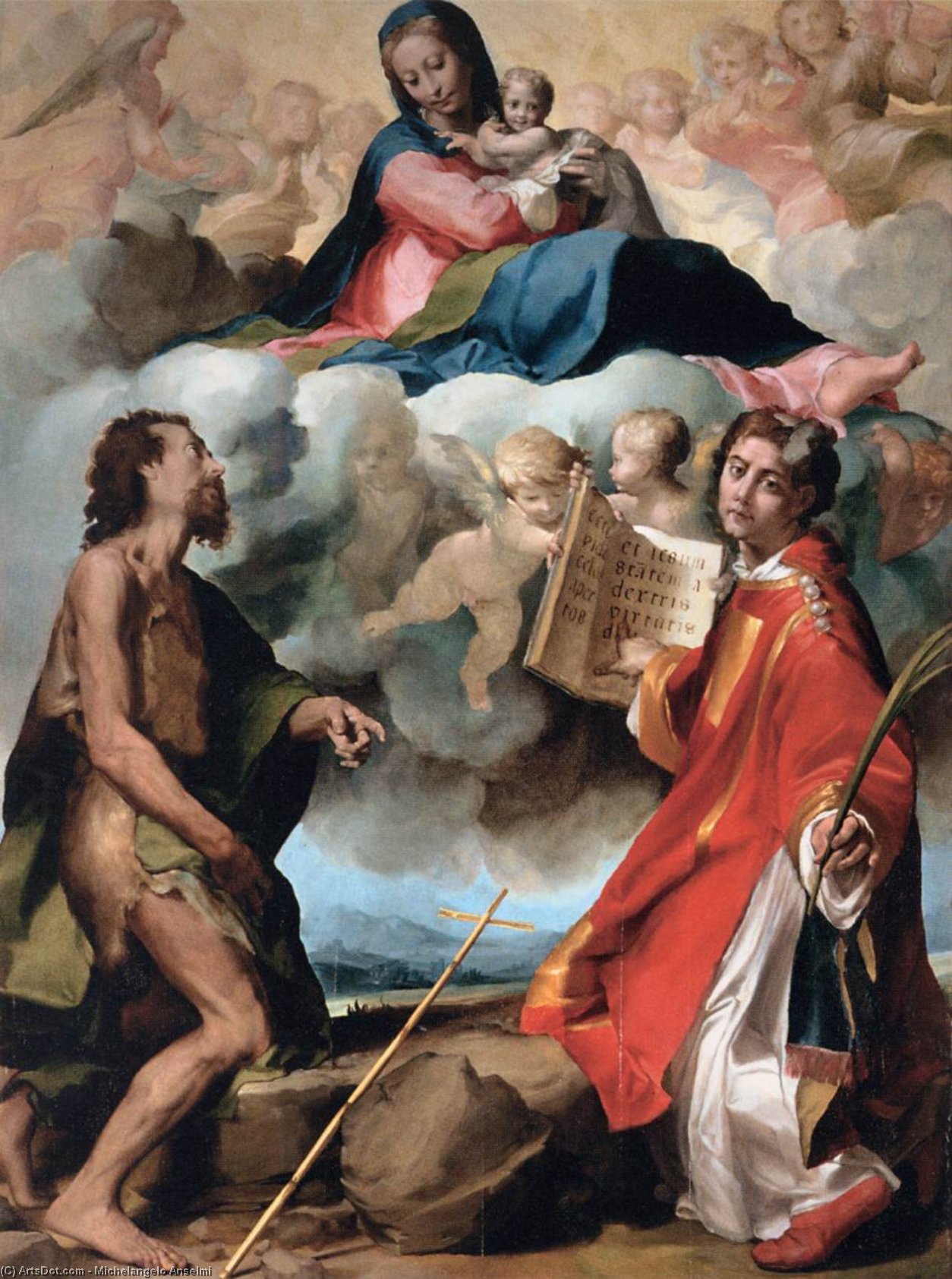
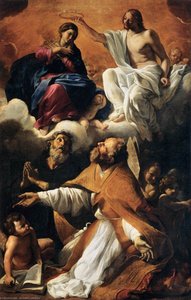
Virgin in Glory Flanked by Sts John the Baptist and Stephen
 Acrylic On Canvas
- WallArt
- Italian Mannerism
 1530
1530 169.0 x 123.0 cm
 The Louvre
 Read More
Purchase a high-resolution, enhanced digital image, far superior to the online preview.
Each file is meticulously prepared by our in-house specialists using advanced tools and expert manual retouching. We ensure every image has exceptional clarity, precise color accuracy, and fine detail.
The final file is delivered via email within 72 hours, optimized for immediate use in professional, editorial, and print environments. This is the same quality trusted by top-tier design studios, publishers, and galleries.
Digital Image
Download a high-resolution file for personal display, printing, and creative projects. ( Buy Print Buy Hand Made Painting)
Included in Every Digital Image Order
Expert Digital Delivery, Guaranteed
When you choose ArtsDot.com, you're not just getting an image - you're receiving a professionally enhanced digital artwork, crafted with precision and backed by a satisfaction guarantee. Here's everything that comes with your order, automatically:

Fast Email Delivery
Your high-resolution digital image file will be emailed to you within 72 hours of ordering - ready for immediate use.

AI-Enhanced Digital File
Your artwork is professionally optimized using advanced AI tools and manual editing, ensuring maximum detail, clarity, and color accuracy.

Free Lifetime Re-Delivery
Accidentally deleted or lost your file? No worries - we'll resend it to you anytime, free of charge.

No Import Fees - Ever
Enjoy your artwork instantly with zero customs, duties, or delivery fees - digital downloads are always tax-free.

Color Accuracy Guarantee
We ensure your digital image reflects the original colors as closely as possible using professional tools and color management.

60-Day Satisfaction Guarantee
If you're not satisfied with your digital image, we'll revise it or refund 100% within 60 days - no questions asked.

100% Money-Back Guarantee
Not satisfied? Get a full refund within 60 days of receiving your digital file - no questions asked.

Bulk Order Discounts
Buy 3 images, save 10% - Buy 5, save 15% - Buy 10+, save 20%. Great for creative projects, galleries, and agencies.
Collectible Description
Michelangelo Anselmi: A Parma Maestro of Mannerist Elegance
Michelangelo Anselmi (c. 1492 – c. 1556) stands as a pivotal figure in the artistic landscape of Parma during the High Renaissance and its subsequent Mannerist transition. Born likely in Tuscany, perhaps Lucca, into an aristocratic family tracing its lineage back to Lombard origins—the Anselmi di Cardano—his early life remains shrouded in relative obscurity, leaving much to speculation regarding formative influences beyond his Tuscan roots. However, by 1500 he had established himself in Siena, where documented appearances suggest a burgeoning artistic career marked by commissions for prominent patrons and an immersion into the stylistic currents of the time. Early Training & Influences: Anselmi’s formative years were shaped by the tutelage of Il Sodoma and Domenico Beccafumi, masters renowned for their expressive Mannerist style—a movement characterized by elongated figures, dramatic poses, and a deliberate distortion of perspective. These influential teachers instilled in Anselmi a profound understanding of how to convey emotion through visual representation, preparing him for his own distinguished artistic endeavors. The Siena workshop served as a crucible for stylistic experimentation, fostering a sensitivity to the nuances of Mannerist aesthetics that would permeate his subsequent works. The Painting: “Virgin in Glory Flanked by Sts John the Baptist and Stephen” exemplifies Anselmi’s mastery of Mannerist technique. Executed around 1530, this monumental altarpiece showcases a masterful blend of sculptural modeling and pigment application—a hallmark of the period. The artist skillfully employs chiaroscuro – dramatic contrasts between light and dark – to sculpturally delineate the figures of Mary, John the Baptist, and Stephen, creating an illusion of depth and volume that transcends mere surface representation. Note the elongated limbs and stylized drapery folds characteristic of Mannerist art; these deliberate distortions heighten the emotional intensity of the scene and imbue it with a palpable sense of grandeur. Historical Context & Symbolism: Painted during a time of fervent religious fervor, “Virgin in Glory” reflects the broader artistic preoccupation with spiritual contemplation and divine majesty prevalent throughout Europe. The depiction of Mary as Gloriana—radiant with celestial light—underscores her role as Queen of Heaven and symbolizes purity, compassion, and maternal devotion. John the Baptist’s gesture of blessing embodies humility and prophetic inspiration, while Stephen’s stance conveys steadfast faith and martyrdom – reminders of Christ's sacrifice and the triumph of righteousness over evil. The composition itself is carefully structured to guide the viewer’s gaze upwards towards Mary, reinforcing the spiritual hierarchy inherent in Christian iconography. Emotional Impact & Artistic Legacy: Anselmi’s “Virgin in Glory” transcends mere visual depiction; it aspires to evoke profound emotional responses from its audience. The artist achieves this through a masterful orchestration of color and form, capturing not only the physical likenesses of the figures but also their inner states of grace and solemn reverence. Its enduring appeal lies in its ability to communicate timeless themes of faith, beauty, and divine love—qualities that continue to resonate with viewers centuries later. Anselmi’s contribution to Parma’s artistic heritage solidified his reputation as a visionary artist whose work embodies the spirit of the Mannerist movement and secures his place among the most celebrated painters of his era.Related Artworks
Artist Biography
Michelangelo Anselmi: A Parma Maestro of Mannerist Elegance
Michelangelo Anselmi (c. 1492 – c. 1556) stands as a pivotal figure in the artistic landscape of Parma during the High Renaissance and its subsequent Mannerist transition. Born likely in Tuscany, perhaps Lucca, into an aristocratic family tracing its lineage back to Lombard origins—the Anselmi di Cardano—his early life remains shrouded in relative obscurity, leaving much to speculation regarding formative influences beyond his Tuscan roots. However, by 1500 he had established himself in Siena, where documented appearances suggest a burgeoning artistic career marked by commissions for prominent patrons and an immersion into the stylistic currents of the time.- Early Training & Influences: Anselmi’s formative years were shaped by the tutelage of Il Sodoma and Domenico Beccafumi, masters renowned for their expressive Mannerist style—a movement characterized by elongated figures, dramatic poses, and a deliberate distortion of perspective aimed at conveying psychological intensity. These influences undoubtedly instilled in him a penchant for capturing emotion and dynamism within meticulously crafted compositions.
- Arrival in Parma & Patronage: Anselmi’s relocation to Parma around 1515 proved transformative, securing him access to the influential patronage of Federico II Gonzaga—the Duke of Parma—who recognized his talent and commissioned ambitious projects that cemented his reputation as one of the era's foremost painters.
Notable Artistic Achievements & Major Commissions
Anselmi’s artistic output in Parma is distinguished by a remarkable series of frescoes adorning sacred spaces—most notably the San Giovanni Evangelista cathedral, where he undertook extensive decoration encompassing the nave vaults and altar walls. His masterful depiction of saints and biblical narratives exemplifies the Mannerist preoccupation with conveying spiritual contemplation through stylized forms and evocative color palettes. Equally impressive was his altarpiece for the Duomo, a monumental undertaking that showcased Anselmi’s technical prowess and artistic vision.- Madonna with Saint Sebastian & Saint Roch (c. 1530): This iconic painting housed in the National Gallery at Parma exemplifies Anselmi's ability to fuse classical elegance with Mannerist dynamism. The composition—featuring Mary, Sebastian, and Roch—is imbued with a palpable sense of sorrow and piety, reflecting the stylistic conventions of the period.
- Baptism of Christ (c. 1530): Located in Reggio Emilia, Anselmi’s Baptism of Christ is another testament to his artistic skill and compositional ingenuity. The fresco's narrative unfolds with meticulous detail, capturing the solemnity of the ritual and conveying a profound emotional resonance.
- Frescoes for Santa Maria della Steccata (1541): Anselmi collaborated with Giulio Romano on the decoration of Santa Maria della Steccata’s apse—a project that reflects the stylistic dialogue between Parmigianino and Romano, showcasing Anselmi's contribution to Parma’s artistic heritage.
Style & Technique: Mannerist Expressionism
Anselmi’s artistic style is firmly rooted in Mannerism, characterized by a deliberate departure from the idealized proportions and harmonious compositions of earlier Renaissance art. He embraced elongated figures, exaggerated gestures, and flattened perspectives—techniques designed to heighten emotional impact and convey psychological complexity. Anselmi's palette favored rich hues and subtle gradations, creating luminous surfaces that captured the ethereal beauty of religious iconography. His meticulous attention to detail—evident in the drapery folds, facial expressions, and textural nuances—underscored his mastery of artistic craftmanship.Legacy & Historical Significance
Michelangelo Anselmi’s oeuvre represents a crucial juncture between Renaissance idealism and Mannerist experimentation—a period marked by profound intellectual and aesthetic shifts. His frescoes in Parma continue to inspire admiration for their expressive power and stylistic sophistication, serving as enduring emblems of the High Renaissance's artistic legacy. Anselmi’s work stands as a testament to the transformative influence of Mannerism on Italian painting, securing his place among the most celebrated artists of his era and ensuring that his contribution to Parma’s cultural heritage would endure for centuries to come.
Michelangelo Anselmi
1492 - 1556 , Italy
Quick Facts
- Artistic Movement Or Style: Renaissance-Mannerist
- Artists Or Movements Influenced By This Artist: ['Parmigianino']
- Artists Who Influenced This Artist:
- Il Sodoma
- Domenico Beccafumi
- Date Of Birth: Tuscany, Italy (1492)
- Date Of Death: 1556
- Full Name: Michelangelo Anselmi
- Nationality: Italian
- Notable Artworks:
- Madonna with Saint Sebastian
- Holy Family with Saint Barbara
- Place Of Birth: Lucca

