

 Preview
 Send
Send Share
Share
 Details

 Download
 Similars
 X-Ray
X-Ray Diaporama
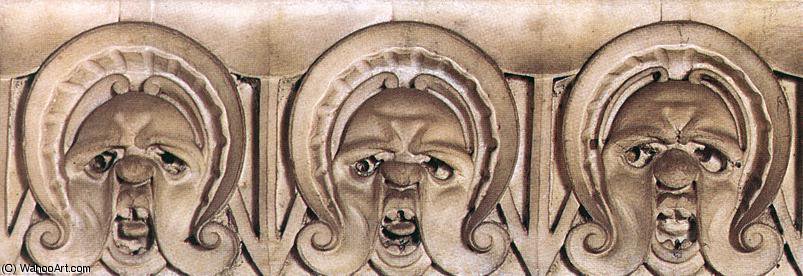
Medicis - wall decoration

 Read More
Purchase a high-resolution, enhanced digital image, far superior to the online preview.
Each file is meticulously prepared by our in-house specialists using advanced tools and expert manual retouching. We ensure every image has exceptional clarity, precise color accuracy, and fine detail.
The final file is delivered via email within 72 hours, optimized for immediate use in professional, editorial, and print environments. This is the same quality trusted by top-tier design studios, publishers, and galleries.
Digital Image
Download a high-resolution file for personal display, printing, and creative projects. ( Buy Print Buy Hand Made Painting)
Included in Every Digital Image Order
Expert Digital Delivery, Guaranteed
When you choose ArtsDot.com, you're not just getting an image - you're receiving a professionally enhanced digital artwork, crafted with precision and backed by a satisfaction guarantee. Here's everything that comes with your order, automatically:

Fast Email Delivery
Your high-resolution digital image file will be emailed to you within 72 hours of ordering - ready for immediate use.

AI-Enhanced Digital File
Your artwork is professionally optimized using advanced AI tools and manual editing, ensuring maximum detail, clarity, and color accuracy.

Free Lifetime Re-Delivery
Accidentally deleted or lost your file? No worries - we'll resend it to you anytime, free of charge.

No Import Fees - Ever
Enjoy your artwork instantly with zero customs, duties, or delivery fees - digital downloads are always tax-free.

Color Accuracy Guarantee
We ensure your digital image reflects the original colors as closely as possible using professional tools and color management.

60-Day Satisfaction Guarantee
If you're not satisfied with your digital image, we'll revise it or refund 100% within 60 days - no questions asked.

100% Money-Back Guarantee
Not satisfied? Get a full refund within 60 days of receiving your digital file - no questions asked.

Bulk Order Discounts
Buy 3 images, save 10% - Buy 5, save 15% - Buy 10+, save 20%. Great for creative projects, galleries, and agencies.
Collectible Description
A Chorus of Voices: Exploring Michelangelo's "Medicis – Wall Decoration"
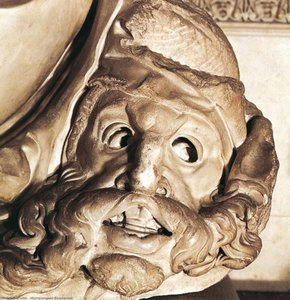
Michelangelo Buonarroti’s “Medicis – Wall Decoration” presents an arresting tableau, a concentrated exploration of human expression rendered with the master’s unparalleled skill. This close-up depiction, featuring three distinct faces engaged in what appears to be animated speech, immediately draws the viewer into a world of intense emotion and subtle narrative. The painting's intimate scale invites contemplation, demanding attention to the minute details that elevate it beyond mere decoration – it is a profound meditation on communication, power, and perhaps even the anxieties inherent within human interaction.
Renaissance Echoes: Context and Influence
- The Medici Patronage: The title itself firmly anchors this work within the opulent world of the Florentine Medicis. This powerful family, renowned for their patronage of the arts, commissioned countless works designed to reflect their wealth, influence, and sophisticated taste. “Medicis” suggests a deliberate connection to this influential dynasty, likely intended to adorn a private chamber or hall within one of their grand residences.
- Michelangelo’s Apprenticeship: Crafted by Michelangelo himself, the piece showcases the culmination of his early training under Domenico Ghirlandaio, absorbing the techniques of fresco painting and draftsmanship that would become foundational to his later masterpieces. However, it is clear here that he was already pushing beyond mere imitation, exploring a more expressive and psychologically nuanced approach to portraiture.
- Classical Inspiration: The faces themselves bear the unmistakable imprint of classical antiquity – a hallmark of Michelangelo’s artistic education. The idealized proportions, the careful rendering of musculature, and the deliberate use of light and shadow all echo the principles championed by Greek and Roman sculptors, reflecting the Renaissance fascination with reviving these ancient ideals.
Technique and Materiality: A Master's Hand
The painting’s remarkable detail speaks to Michelangelo’s meticulous technique. Executed likely in fresco secco (dry fresco) on a prepared wall surface, the artist employed layering of pigments – primarily tempera and possibly oil – to achieve a rich, vibrant palette. The textures are remarkably tactile; one can almost feel the roughness of the skin, the sheen of the hair, and the subtle variations in the fabric. The careful modeling of the faces creates an illusion of three-dimensionality, further enhancing their expressive power. The artist’s mastery of *chiaroscuro* – the dramatic use of light and shadow – adds to the emotional intensity of the scene, directing the viewer's gaze and emphasizing key features.
Symbolism and Interpretation: A Silent Dialogue
The three faces, each with an open mouth, immediately evoke a sense of urgency and communication. While the precise meaning remains open to interpretation, they could represent a council of advisors, a family gathering, or perhaps even a symbolic representation of human ambition and desire. The closed eyes suggest contemplation or perhaps a moment of intense concentration. The composition’s tight framing intensifies the emotional impact, creating an almost claustrophobic effect that mirrors the potential anxieties associated with public speaking or important decisions. This piece is not simply a portrait; it's a carefully constructed visual riddle, inviting viewers to engage in their own interpretation.
Recreating the Masterpiece: A ArtsDot Reproduction
ArtsDot offers meticulously crafted hand-painted reproductions of “Medicis – Wall Decoration,” ensuring that you experience the full impact of Michelangelo’s genius. Our skilled artisans employ traditional techniques and archival quality materials to faithfully recreate every nuance of this iconic artwork. Each reproduction is a unique piece, capturing not just the image but also the spirit and emotion of the original. Perfect for collectors, interior designers seeking to infuse their spaces with Renaissance elegance, or anyone captivated by Michelangelo’s profound artistic vision.
Related Artworks
Artist Biography
A Renaissance Forged in Stone and Paint
Michelangelo Buonarroti, a name synonymous with the High Renaissance, resonates through centuries as a testament to human artistic potential. Born on March 6, 1475, in Caprese Michelangelo, nestled in the Tuscan hills of Italy, his life was an extraordinary convergence of talent, ambition, and divine inspiration. Though initially met with resistance from his father regarding an artistic path, young Michelangelo’s innate gift for drawing proved undeniable, setting him on a course to redefine the boundaries of sculpture, painting, and architecture. His early apprenticeship under Domenico Ghirlandaio provided foundational skills in fresco and draftsmanship, but it was within the Medici gardens—a haven of classical antiquity—that his artistic soul truly awakened. Immersed in the study of Greek and Roman sculptures, Michelangelo absorbed the principles of anatomy, proportion, and idealized beauty that would become hallmarks of his style. This formative period wasn’t merely technical training; it was a philosophical immersion into the humanist ideals blossoming during the Renaissance, an emphasis on human dignity and potential that profoundly shaped his artistic vision.From Pietà's Sorrow to David's Strength
Michelangelo’s ascent in the art world was remarkably swift. By 1496, he had journeyed to Rome, where he received his first major commission: the sculpture of the *Pietà*. Completed in 1499 for Cardinal Jean de Bilhères, this breathtaking marble masterpiece—now housed within St. Peter’s Basilica—immediately established Michelangelo as a sculptor of unparalleled skill and emotional depth. The serene beauty and poignant sorrow captured in Mary's face cradling the body of Christ were revolutionary, demonstrating an ability to imbue cold stone with profound human feeling. This early success paved the way for his next monumental undertaking: *David*. Carved between 1501 and 1504 from a single block of Carrara marble, the over seventeen-foot statue became a symbol of Florentine republican ideals—a defiant embodiment of strength, courage, and civic virtue. The anatomical accuracy, dynamic pose, and psychological intensity of *David* were unprecedented, solidifying Michelangelo’s reputation as a master sculptor capable of bringing stone to life. It wasn't simply the scale that impressed; it was the palpable sense of contained energy, the anticipation of action frozen in marble, that captivated viewers then and continues to do so today.The Sistine Chapel: A Divine Canvas
Perhaps Michelangelo’s most enduring legacy lies within the walls of the Sistine Chapel. In 1508, Pope Julius II commissioned him to paint the chapel ceiling—a task that would consume four years of his life and forever alter the course of Western art. Initially reluctant, viewing himself primarily as a sculptor, Michelangelo nonetheless accepted the challenge, embarking on a monumental fresco cycle depicting scenes from Genesis. Working in arduous conditions, often lying on his back for hours, he painted over 300 figures with breathtaking detail and compositional brilliance. *The Creation of Adam*, arguably the most iconic image from the chapel ceiling, captures the divine spark passing between God and humanity—a powerful symbol of creation and potential. Beyond this famous panel, the entire cycle is a testament to Michelangelo’s narrative power, his mastery of anatomy, and his ability to convey complex theological concepts through visual storytelling. Simultaneously, he began work on Pope Julius II's tomb – an ambitious project that would remain unfinished in its original grandeur, yet yielded powerful sculptures like *Moses*.Architecture, Mannerism, and a Lasting Influence
In the later years of his life, Michelangelo’s talents extended to architecture. In 1520, he became architect of St. Peter’s Basilica in Rome, significantly altering Bramante’s original design with a more imposing and structurally sound plan. This transition marked a shift towards Mannerism—a style characterized by elongated forms, exaggerated poses, and dramatic compositions. This stylistic evolution is vividly apparent in *The Last Judgment*, painted on the altar wall of the Sistine Chapel between 1536 and 1541. The fresco depicts the Second Coming of Christ with an overwhelming sense of drama and emotional intensity, reflecting a more turbulent spiritual climate. Michelangelo’s influence extended far beyond his own lifetime. He profoundly impacted both High Renaissance and Mannerist art movements, inspiring generations of artists with his anatomical accuracy, dynamic compositions, and profound exploration of the human condition.A Legacy Etched in Time
Michelangelo died on February 18, 1564, in Rome, leaving behind an unparalleled body of work that continues to captivate and inspire. He remains a towering figure in art history—the quintessential “Renaissance man”—whose sculptures, paintings, and architectural designs have shaped our understanding of beauty, power, and human potential. His legacy is not merely one of artistic achievement; it’s a testament to the enduring power of creativity, dedication, and the relentless pursuit of perfection. He demonstrated that art could transcend mere representation, becoming a vehicle for profound spiritual and emotional expression. The echoes of his genius resonate in museums and churches around the world, ensuring that Michelangelo Buonarroti will forever be remembered as one of the greatest artists who ever lived.- Influences: Classical Antiquity (Greek & Roman sculpture), Renaissance Humanism, Florentine artistic tradition (Donatello, Masaccio).
- Key Works: *Pietà*, *David*, Sistine Chapel ceiling frescoes (*The Creation of Adam*), *The Last Judgment*, Tomb of Julius II.
- Artistic Style: Initially Classical Idealism, evolving towards a dynamic and expressive Mannerism.
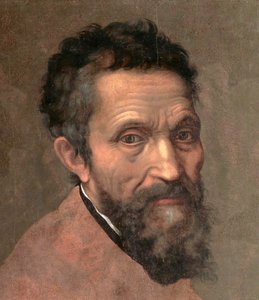
Michelangelo Buonarroti
1475 - 1564 , Italy
Quick Facts
- Artistic Movement Or Style: High Renaissance, Mannerism
- Artists Or Movements Influenced By This Artist:
- High Renaissance
- Mannerism
- Artists Who Influenced This Artist:
- Donatello
- Masaccio
- Date Of Birth: March 6, 1475
- Date Of Death: February 18, 1564
- Full Name: Michelangelo Buonarroti
- Nationality: Italian
- Notable Artworks:
- David
- Pietà
- Sistine Chapel frescoes
- Place Of Birth: Caprese, Italy

