

 Preview
 Send
Send Share
Share
 Details

 Download
 Similars
 X-Ray
X-Ray Diaporama
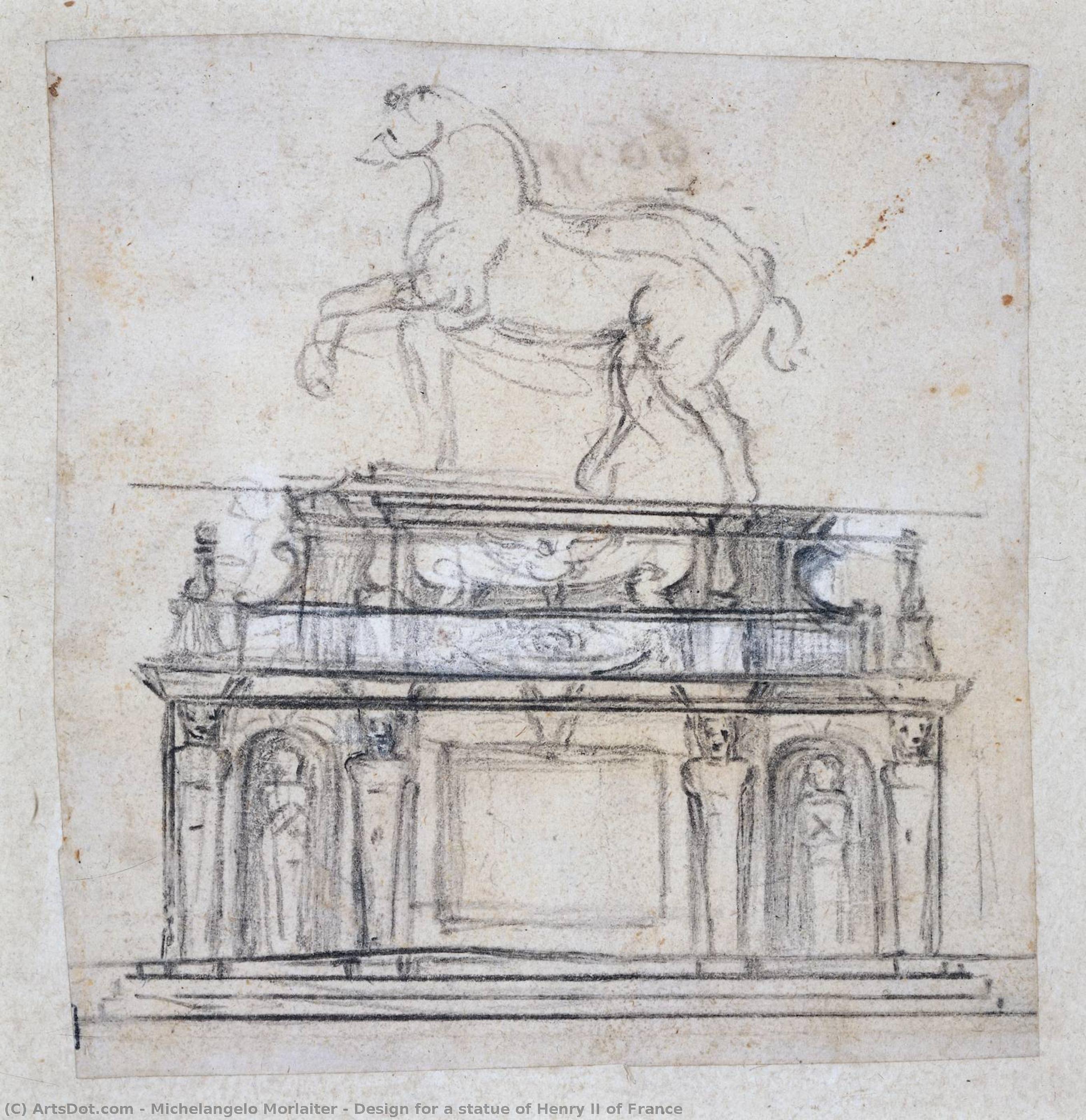
Design for a statue of Henry II of France
 Ink On Paper
- WallArt
- Renaissance
 1559
1559- Renaissance
 13.0 x 12.0 cm
 Rijksmuseum
 Read More
Purchase a high-resolution, enhanced digital image, far superior to the online preview.
Each file is meticulously prepared by our in-house specialists using advanced tools and expert manual retouching. We ensure every image has exceptional clarity, precise color accuracy, and fine detail.
The final file is delivered via email within 72 hours, optimized for immediate use in professional, editorial, and print environments. This is the same quality trusted by top-tier design studios, publishers, and galleries.
Digital Image
Download a high-resolution file for personal display, printing, and creative projects. ( Buy Print Buy Hand Made Painting)
Included in Every Digital Image Order
Expert Digital Delivery, Guaranteed
When you choose ArtsDot.com, you're not just getting an image - you're receiving a professionally enhanced digital artwork, crafted with precision and backed by a satisfaction guarantee. Here's everything that comes with your order, automatically:

Fast Email Delivery
Your high-resolution digital image file will be emailed to you within 72 hours of ordering - ready for immediate use.

AI-Enhanced Digital File
Your artwork is professionally optimized using advanced AI tools and manual editing, ensuring maximum detail, clarity, and color accuracy.

Free Lifetime Re-Delivery
Accidentally deleted or lost your file? No worries - we'll resend it to you anytime, free of charge.

No Import Fees - Ever
Enjoy your artwork instantly with zero customs, duties, or delivery fees - digital downloads are always tax-free.

Color Accuracy Guarantee
We ensure your digital image reflects the original colors as closely as possible using professional tools and color management.

60-Day Satisfaction Guarantee
If you're not satisfied with your digital image, we'll revise it or refund 100% within 60 days - no questions asked.

100% Money-Back Guarantee
Not satisfied? Get a full refund within 60 days of receiving your digital file - no questions asked.

Bulk Order Discounts
Buy 3 images, save 10% - Buy 5, save 15% - Buy 10+, save 20%. Great for creative projects, galleries, and agencies.
A Vision of Royal Grandeur
In this exquisite pen and ink drawing, we are transported back to the mid-16th century, witnessing a moment of profound artistic preparation. The work, titled Design for a statue of Henry II of France, serves as a meticulous blueprint for a monument intended to immortalize a monarch. At its heart lies an equestrian figure, a powerful composition of horse and rider that commands the viewer's attention through sheer anatomical precision. The design is not merely a sketch but a structural vision, where the organic vitality of the horse meets the rigid, disciplined geometry of an elaborate architectural pedestal. This interplay between the fluid movement of life and the permanence of stone creates a captivating tension, inviting the observer to imagine the finished bronze or marble masterpiece that this paper study once envisioned.
The technical mastery displayed in this piece is nothing short of breathtaking. Utilizing the delicate medium of pen and ink on paper, the artist employs a sophisticated language of hatching and cross-hasting to breathe life into a monochrome world. Through these fine, rhythmic lines, shadows are sculpted, and volume is carved out of the flat surface. There is a rhythmic density to the ink that suggests the rugged texture of weathered stone on the base, contrasting beautifully with the smoother, more muscular rendering of the equine form. This meticulous approach to light and shadow—achieved without a single stroke of color—demonstrates a profound understanding of disegno, the Renaissance principle where drawing serves as the intellectual foundation of all visual art.
Symbolism and the Spirit of the Renaissance
Beyond its technical brilliance, the artwork is steeped in the symbolic language of the Renaissance era. The choice of an equestrian subject is deeply intentional; throughout history, the image of a ruler atop a spirited horse has served as a universal emblem of strength, nobility, and sovereign command. As the eye travels from the heavy, structured base upward toward the dynamic figure of Henry II, one feels the ascent from the earthly, architectural realm to the heroic, idealized plane of leadership. The symmetry of the composition reinforces this sense of stability and divine order, reflecting the period's obsession with classical balance and mathematical harmony.
For the discerning collector or interior designer, this drawing offers more than just a historical window; it provides a sophisticated focal point for any curated space. Its understated monochrome palette allows it to integrate seamlessly into diverse environments, from the quiet elegance of a classical study to the bold statements of a modern gallery. As a high-quality reproduction, this piece brings with it the intellectual weight of 1559, offering an opportunity to possess a fragment of history that celebrates the enduring human desire to capture greatness through art. It is a work that does not merely decorate a wall but enriches the very atmosphere of a room with its sense of permanence and historical gravity.
Related Artworks
Artist Biography
Michelangelo Morlaiter: Venetian Sculptor and Fresco Artist
Michelangelo Morlaiter (1766 – Present) stands as a testament to the enduring legacy of Venetian artistic tradition, particularly within the School of Athens. Born into a family steeped in sculpture—his father, Giovanni Maria Morlaiter, was himself a celebrated sculptor—Michelangelo inherited not only talent but also an unwavering dedication to mastering the craft of disegno, the foundational principles of Renaissance art. His formative years were spent absorbing the artistic atmosphere of Venice, a city renowned for its patronage of the arts and its commitment to preserving classical ideals.- Early Life & Training: Giovanni Maria Morlaiter’s influence was paramount in shaping Michelangelo's early artistic sensibilities. He honed his skills under Giovanni Battista Falconetti, a master sculptor known for his meticulous attention to detail and anatomical accuracy. This rigorous training instilled in Morlaiter a profound understanding of sculptural technique—a skill he would later translate into breathtaking frescoes that adorn prominent Venetian churches.
The Accademia di Scoltura, Pittura, ed Architettura Civile: A Crucible of Artistic Innovation
Michelangelo Morlaiter’s contribution to Venetian art extends far beyond individual masterpieces. He was a founding member and professor at the Accademia di Scoltura, Pittura, ed Architettura Civile in Venice (established 1766), an institution dedicated to reviving classical artistic ideals and fostering excellence in sculpture, painting, and architecture. This academy served as a vital hub for disseminating knowledge and nurturing talent—producing generations of artists who would shape the visual landscape of Venice and beyond. Morlaiter’s role as educator ensured that Venetian artistic traditions continued to flourish into the 19th century.- Notable Commissions & Artistic Style: Morlaiter gained renown for his monumental sculptures, notably ‘Ignudo,’ a stunning nude study reflecting the influence of Michelangelo Buonarroti and embodying the humanist spirit of the Renaissance. His frescoes within Chiesa dell'Angelo Raffaele—particularly “The Study of Adam”—demonstrate masterful fresco technique, characterized by layering pigments onto wet plaster to achieve luminous colors and unparalleled textural depth. These works exemplify Venetian Rococo art’s elegance and grace.
Influences & Artistic Legacy
Morlaiter's artistic vision was deeply rooted in the humanist ideals of the Renaissance, mirroring the broader cultural movement that championed reason, observation, and human dignity. He drew inspiration from Michelangelo Buonarroti’s sculptural achievements—particularly his David—and embraced the stylistic conventions of Venetian Rococo art, prioritizing decorative splendor and emotional expression alongside technical virtuosity. His enduring legacy resides in his contribution to Venetian artistic heritage and his role as a pivotal figure in shaping the aesthetic sensibilities of his time.- Major Achievements: Morlaiter’s sculptures are celebrated for their anatomical precision and expressive dynamism, capturing the human form with remarkable realism. His frescoes—particularly “The Study of Adam”—are considered masterpieces of Venetian fresco painting, showcasing unparalleled color palettes and textural nuances. He cemented his place in art history as a champion of classical ideals and a pivotal voice within Venice’s artistic community.
Historical Significance
Michelangelo Morlaiter's work represents more than just aesthetic beauty; it embodies the spirit of Venetian Renaissance culture—a commitment to reviving classical art forms and upholding humanist values. His influence extended beyond his immediate circle, shaping artistic trends throughout Venice and contributing to the preservation of Venetian artistic traditions for centuries to come. He stands as a symbol of Venetian artistic excellence and a testament to the enduring power of disegno.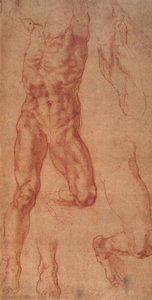
Quick Facts
- Artistic Movement Or Style: Rococo Art
- Artists Or Movements Influenced By This Artist: ['Renaissance Venice']
- Artists Who Influenced This Artist: ['Giovanni Morlaiter']
- Date Of Death: Living
- Full Name: Michelangelo Morlaiter
- Nationality: Italian
- Notable Artworks:
- Ignudo
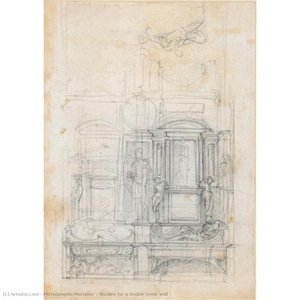
- Studies for a double tomb wall
- The Study of Adam
- Place Of Birth: Venice

