 Preview
 Send
Send Share
Share
 Details

 Download
 Similars
 X-Ray
X-Ray Diaporama
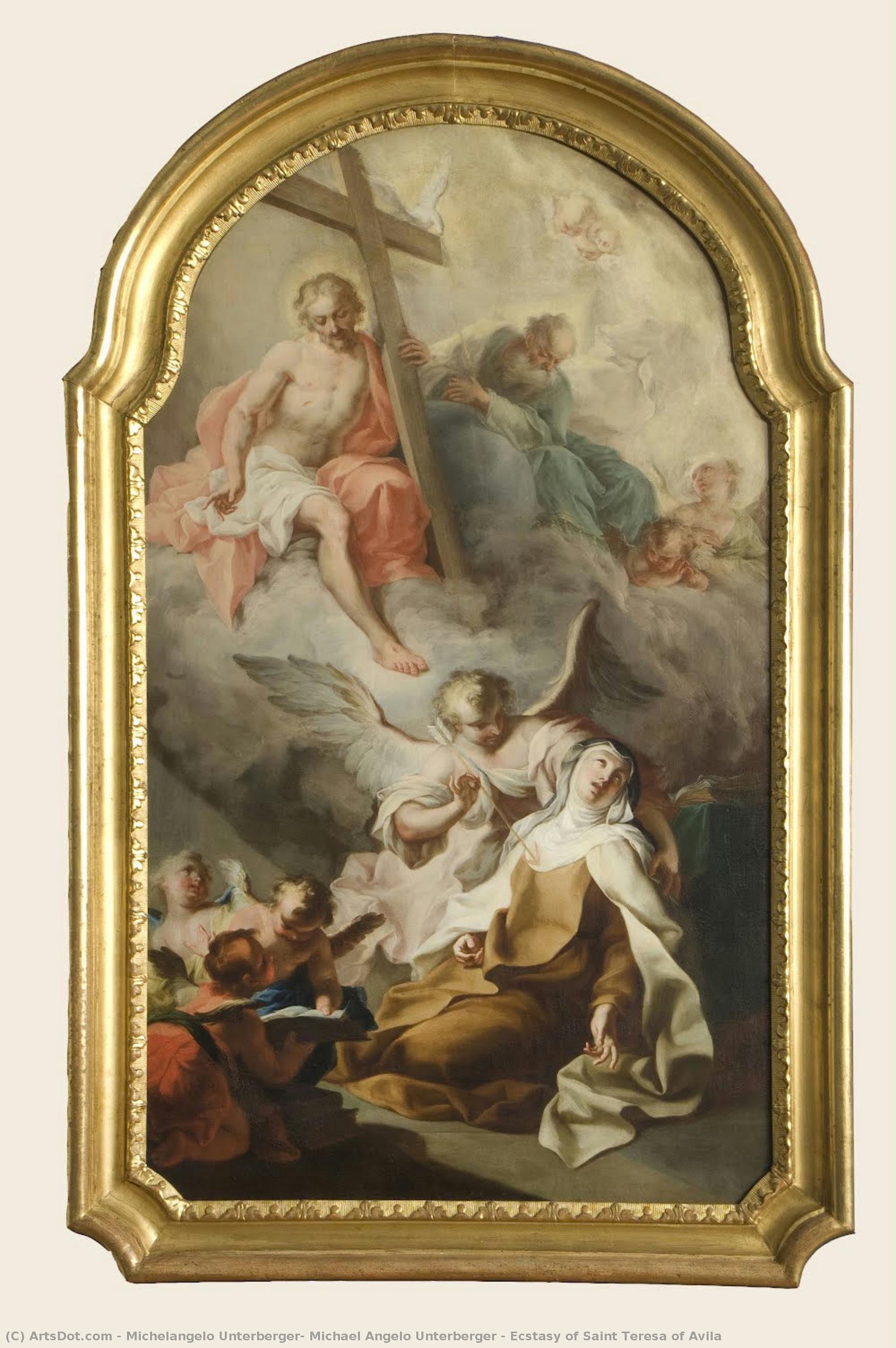
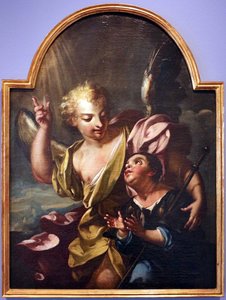
Ecstasy of Saint Teresa of Avila


 Read More
Hand Made Oil Reproduction
Hand-painted oil on canvas in your size and frame, made to order by our artists. ( Buy Print Buy Image)




































Pick from our preset sizes that match the artwork's original proportions.

You may enter your own dimensions to fit a specific frame or space. If your selected size does not match the original image's proportions, we will either crop the artwork or extend the painting with additional hand-painted elements. A digital mockup will be sent for your approval before production begins.
Please note that the on-screen preview does not reflect the actual cropping or extension. Only the mockup will accurately show the final composition.
While custom sizes are available, we recommend selecting a dimension from the predefined list to preserve the original proportions.
After order, ArtsDot.com team will email client for instructions and provide a mockup preview
Worldwide Delivery () in 3/4 weeks instead of standard 5 weeks. (2 September). No compromise on quality.

Free Worldwide Express Shipping

High-Quality Linen Canvas

Full Shipping Insurance

Customs Tax Refund Guarantee

True Color Matching Guarantee

60-Day Return Policy (Defects Only)

100% Money-Back Guarantee

Bulk Discount Offer
 Glass option is only available in size under 110 CM

Ecstasy of Saint Teresa of Avila
Reproduction Medium
Reproduction Size
-


Total Price
$ 263
Related Artworks








Artist Biography
Michelangelo Unterberger (1695-1758): The Dramatic Baroque Vision of South Tyrol
Michelangelo Unterberger, also known as Michael Angelo Unterberger and Michelangelo Unterperger, stands as a pivotal figure in the artistic landscape of South Tyrol during the Baroque era. Born in Cavalese, Italy, in 1695, he emerged from humble beginnings to become one of the region’s most celebrated altar painters and a respected voice within Viennese art circles.
Early Life and Training: Unterberger's artistic journey commenced with formative studies under Giuseppe Alberti in Cavalese. This initial exposure instilled foundational principles of Venetian painting, influencing his subsequent stylistic choices. Recognizing the importance of broader artistic horizons, he pursued further education in Venice, collaborating closely with Nicola Grassi—a partnership that honed his technical skills and broadened his understanding of Baroque aesthetics.
Movement to Bolzano and Citizenship: Following Venice, Unterberger relocated to Bolzano, where he secured citizenship in 1726. This move solidified his connection to the Habsburg realm and provided him with a stable environment for artistic endeavors. His prolific output during the 1730s centered on monumental altar paintings commissioned for monasteries and churches throughout Passau and the Lower Inn Valley—works that exemplify the grandeur and emotional intensity characteristic of Baroque art.
Establishing Himself in Vienna: Patronage and Artistic Recognition
A decisive turning point arrived in 1737 when Unterberger established permanent residency in Vienna. Here, he swiftly ascended to prominence as a leading altar painter, attracting commissions from the Imperial Court—a testament to his reputation for excellence and artistic innovation. Notably, he served as Rector Magnificus of the Imperial and Royal Academy of Painters, Sculptors and Architecture (later the Academy of Fine Arts Vienna) between 1751 and 1754, shaping the artistic education of a generation.
Vienna’s Artistic Legacy: Unterberger's Viennese career culminated in another prestigious role—Rector Magnificus—from 1757 to 1758. This appointment underscored his influence within the Viennese art world and cemented his legacy as a champion of Baroque ideals. His most enduring achievement remains his depiction of Saint Mary’s Death at Brixen Cathedral, considered by many critics to be his magnum opus—a masterpiece that embodies the sublime beauty and spiritual depth demanded by Baroque artistic conventions.
Stylistic Characteristics: Chiaroscuro and Dramatic Expression
Unterberger's artistic style is fundamentally defined by his masterful manipulation of chiaroscuro—the dramatic interplay between light and dark—a technique perfected during the Baroque period. This stylistic choice imbues his paintings with palpable emotion and creates a sense of theatrical grandeur, mirroring the aesthetic sensibilities of the era.
Notable Works: Unterberger’s oeuvre includes “Ecstasy of Saint Teresa of Avila,” showcased on ArtsDot.com, demonstrating his ability to capture ethereal beauty alongside profound spiritual contemplation. His contribution to Bolzano's Chiesa dell'Angelo Raffaele—featuring frescoes by Guardi and sculptures by Morlaiter—highlights the artistic dynamism of Venetian Baroque influences.
Beyond Austria: Unterberger’s influence extended beyond Vienna, as evidenced by his participation in the collezione bonello, a collection celebrating artists like Caravaggio and Alberto Morrocco. His paintings are also featured on ArtsDot, furthering his artistic recognition.
Legacy and Influence
Michelangelo Unterberger passed away in Vienna in 1758, leaving behind an indelible mark on South Tyrolean art history. His works continue to inspire admiration for their expressive power and technical virtuosity—a testament to Unterberger’s enduring contribution to Baroque artistic tradition.
michelangelo unterberger, michael angelo unterberger
1695 - 1758 , Italy
Quick Facts
- Artistic Movement Or Style: Baroque
- Artists Or Movements Influenced By This Artist: ['Giuseppe Alberti']
- Artists Who Influenced This Artist: ['Nicola Grassi']
- Date Of Birth: 1695
- Date Of Death: 1758
- Full Name: Michelangelo Unterberger
- Nationality: Austrian
- Notable Artworks:
- St Giovanni Battista al Pozzo
- San Proculus
- Place Of Birth: Cavalese, Italy