

 Preview
 Send
Send Share
Share
 Details

 Download
 Similars
 X-Ray
X-Ray Diaporama
The Portrait's Box
 Oil On Canvas
- WallArt
- High Renaissance
 1506
1506- Renaissance
 65.0 x 48.0 cm
 Galleria degli Uffizi
 Read More
Purchase a high-resolution, enhanced digital image, far superior to the online preview.
Each file is meticulously prepared by our in-house specialists using advanced tools and expert manual retouching. We ensure every image has exceptional clarity, precise color accuracy, and fine detail.
The final file is delivered via email within 72 hours, optimized for immediate use in professional, editorial, and print environments. This is the same quality trusted by top-tier design studios, publishers, and galleries.
Digital Image
Download a high-resolution file for personal display, printing, and creative projects. ( Buy Print Buy Hand Made Painting)
Included in Every Digital Image Order
Expert Digital Delivery, Guaranteed
When you choose ArtsDot.com, you're not just getting an image - you're receiving a professionally enhanced digital artwork, crafted with precision and backed by a satisfaction guarantee. Here's everything that comes with your order, automatically:

Fast Email Delivery
Your high-resolution digital image file will be emailed to you within 72 hours of ordering - ready for immediate use.

AI-Enhanced Digital File
Your artwork is professionally optimized using advanced AI tools and manual editing, ensuring maximum detail, clarity, and color accuracy.

Free Lifetime Re-Delivery
Accidentally deleted or lost your file? No worries - we'll resend it to you anytime, free of charge.

No Import Fees - Ever
Enjoy your artwork instantly with zero customs, duties, or delivery fees - digital downloads are always tax-free.

Color Accuracy Guarantee
We ensure your digital image reflects the original colors as closely as possible using professional tools and color management.

60-Day Satisfaction Guarantee
If you're not satisfied with your digital image, we'll revise it or refund 100% within 60 days - no questions asked.

100% Money-Back Guarantee
Not satisfied? Get a full refund within 60 days of receiving your digital file - no questions asked.

Bulk Order Discounts
Buy 3 images, save 10% - Buy 5, save 15% - Buy 10+, save 20%. Great for creative projects, galleries, and agencies.
A Glimpse Through Time: The Enigma of The Portrait's Box
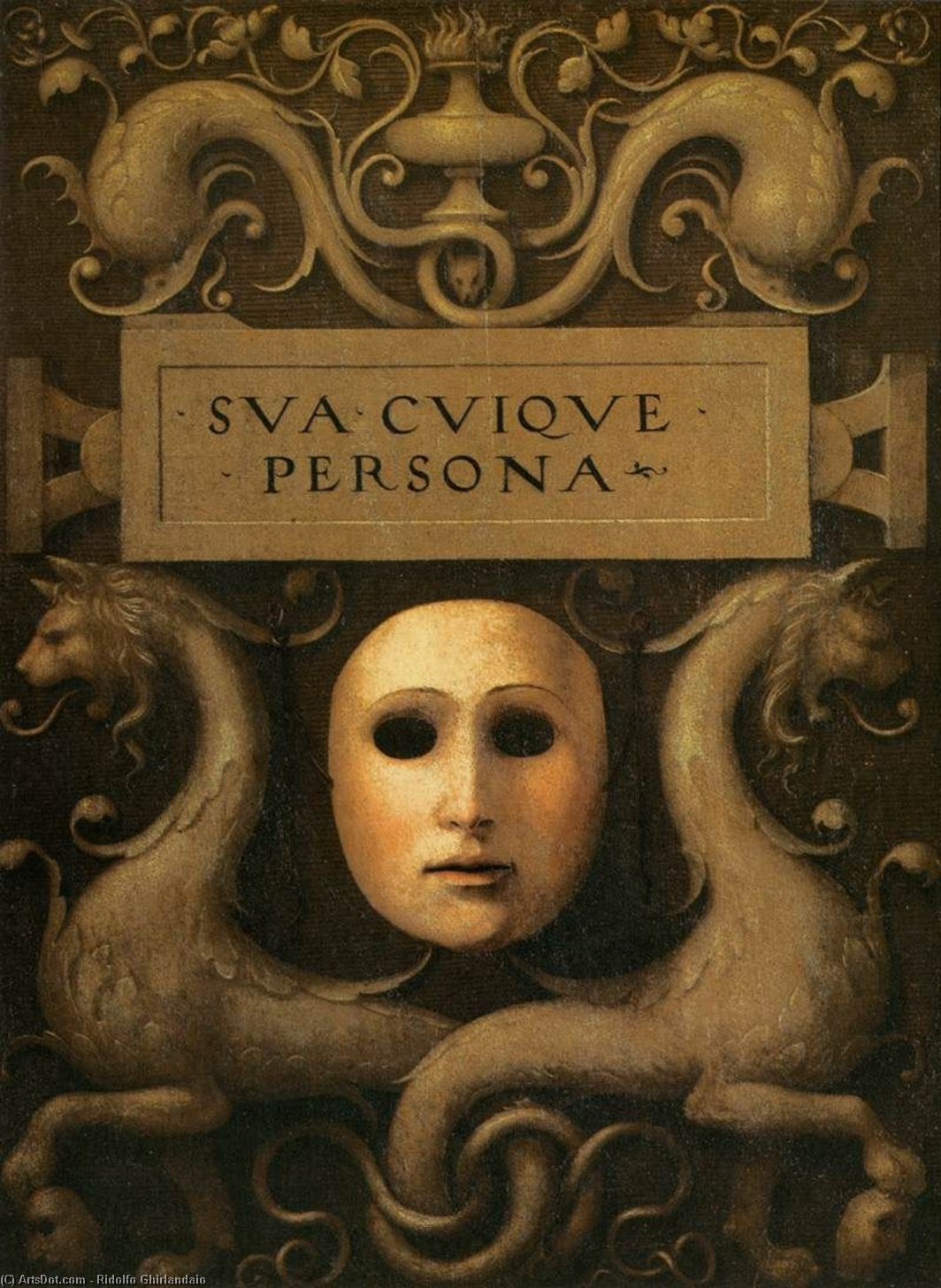
To stand before The Portrait's Box is to encounter not merely a painting, but a carefully constructed moment suspended between the human psyche and the quiet rhythm of nature. Dating from 1506, this work by Michele di Ridolfo del Ghirlandaio (Michele Tosini) transports us directly into the vibrant, intellectually charged atmosphere of early sixteenth-century Florence. The composition itself is a masterful study in contrasts: the enigmatic stillness of the central figure set against the grounded presence of two resting horses. It invites the viewer to look deeper than the surface—to question what is seen and what remains concealed.
The Allure of Concealment and Form
At the heart of the mystery lies the man wearing a mask, his eyes obscured by the very artifice that frames his face. The mask itself, rendered with painstaking detail suggesting carved wood, becomes a focal point—a portable piece of sculpture imbued with narrative weight. Ghirlandaio’s technique here is remarkable; he treats the painted surface as if it were three-dimensional, giving the wooden texture and the intricate carvings an almost palpable reality. This deliberate act of concealment speaks volumes about portraiture during this era. Is the mask a disguise, a commentary on identity, or perhaps a symbol of societal roles? The man’s face painted upon the object suggests that the self is both presented and hidden simultaneously.
Nature's Quiet Witness: Symbolism in the Stable
Flanking this human puzzle are the two horses. They rest with their heads lowered, embodying a profound sense of repose or perhaps even contemplation. In Renaissance art, animals rarely serve merely as decoration; they carry symbolic ballast. These grazing beasts anchor the composition, providing an earthy counterpoint to the intellectual tension emanating from the masked figure. Their calm demeanor suggests a timeless continuity—the natural world continuing its cycle regardless of human drama or self-examination. This juxtaposition of the highly stylized human portraiture with the unadorned grace of livestock creates a deep, resonant harmony.
Mastery of Florentine Detail and Technique
Michele Ghirlandaio was celebrated for his meticulous attention to detail, a hallmark evident throughout this piece. His background in the Florentine artistic milieu ensured that every fold of drapery, every grain suggested on the wood, and every strand of implied hair is rendered with academic precision. For those who appreciate the craft—the subtle blending of oil paint, the careful layering to achieve depth, and the compositional balance achieved across a 65 x 48 cm canvas—this work serves as a profound lesson in High Renaissance technique. It speaks to an era where art was both devotional and deeply observational.
Bringing the Renaissance Home
For the collector or designer seeking an object of true depth, The Portrait's Box offers more than just decoration; it offers conversation. Reproducing this piece allows one to curate a space imbued with intellectual curiosity and historical gravitas. It is a work that demands slow viewing, encouraging moments of pause where the viewer can contemplate the mask, the gaze of the unseen eyes, and the enduring peace suggested by the resting horses. It is an echo of Florentine genius, ready to lend its enigmatic beauty to your modern sanctuary.
Related Artworks

Artist Biography
Early Life and Florentine Beginnings
Michele di Ridolfo del Ghirlandaio, often simply known as Michele Tosini after his mother’s family name, emerged into the vibrant artistic landscape of Florence in 1483. His father, Ridolfo Ghirlandaio – a highly respected painter in his own right and a member of the prestigious Arte dei Linaioli (Guild of Linen Weavers) – provided the foundational training that would shape Michele’s career. Unlike some artists who sought distant masters, Michele remained within the family workshop, absorbing not only technical skills but also the established stylistic principles of Florentine painting during the High Renaissance and early Mannerism. This close apprenticeship was crucial; Ridolfo's influence is readily apparent in Michele’s early works, particularly his meticulous attention to detail and a commitment to portraying realistic human forms. Florence at this time was a crucible of artistic innovation, fueled by patrons like the Medici family and a burgeoning humanist philosophy that celebrated individual expression and classical ideals. The young Michele would have been immersed in this atmosphere, witnessing firsthand the masterpieces of Leonardo da Vinci, Michelangelo, and Raphael – artists who undoubtedly impacted his developing aesthetic sensibility.A Family Legacy: Continuing the Ghirlandaio Tradition
Following his father’s death in 1506, Michele assumed responsibility for completing Ridolfo's unfinished commissions, a testament to the trust placed in his abilities. This transition wasn’t merely about fulfilling obligations; it was an opportunity to demonstrate his own artistic voice while honoring the legacy of his predecessor. He skillfully continued work on projects like the frescoes in the Villa Vecchia and the church of Santa Maria Novella, seamlessly blending his style with that of his father's. However, Michele didn’t simply replicate Ridolfo’s approach. Over time, he began to infuse his paintings with a greater sense of elegance and refinement, moving away from the sometimes-robust figures of his father towards more graceful and elongated forms characteristic of early Mannerism. He also developed a particular talent for portraiture, capturing not only the physical likenesses of his sitters but also their inner character and social standing. His portraits are renowned for their psychological depth and exquisite rendering of fabrics and textures. This period solidified Michele’s reputation as a capable and increasingly independent artist within the Florentine art scene.The Rise of Portraiture and Mannerist Influences
The first two decades of the 16th century saw Michele Tosini establish himself as a leading portraitist in Florence. He catered to a wealthy clientele, including merchants, bankers, and members of the nobility, creating images that reflected their status and aspirations. His portraits often feature sitters adorned in luxurious clothing, set against simple backgrounds that emphasize their presence and dignity. He was particularly adept at depicting women, capturing their beauty, intelligence, and social grace. Beyond portraiture, Michele also undertook religious commissions, producing altarpieces and frescoes for churches throughout Tuscany. These works reveal a growing interest in the stylistic trends of Mannerism, characterized by elongated figures, complex compositions, and a heightened sense of drama. He absorbed influences from artists like Pontormo and Rosso Fiorentino, incorporating their innovations into his own unique artistic language. This wasn’t a wholesale adoption of Mannerist principles; rather, Michele skillfully integrated these elements with the traditional Florentine emphasis on realism and clarity.Major Achievements and Artistic Style
Michele di Ridolfo del Ghirlandaio's oeuvre is marked by a distinctive blend of Renaissance naturalism and early Mannerist elegance. While he didn’t produce works of the same scale or ambition as some of his contemporaries, his paintings are admired for their technical virtuosity, psychological insight, and refined aesthetic sensibility. Some of his most celebrated achievements include:- Portraits of Florentine Nobility: His numerous portraits offer a fascinating glimpse into the lives and social world of Renaissance Florence.
- The Adoration of the Magi (various versions): These paintings demonstrate his skill in creating complex compositions with dynamic figures and expressive faces.
- Frescoes in Santa Maria Novella: His contributions to this important Florentine church showcase his ability to work on a large scale and integrate his style with existing decorations.
- The Birth of the Virgin (various versions): These altarpieces reveal his mastery of color, composition, and religious iconography.
- Meticulous Detail: He paid close attention to the rendering of fabrics, textures, and anatomical details.
- Elegant Forms: His figures are often elongated and graceful, reflecting the influence of Mannerism.
- Psychological Depth: He captured not only the physical likenesses of his sitters but also their inner character and emotions.
- Harmonious Color Palettes: He used a refined color palette to create paintings that are both visually appealing and emotionally resonant.
Historical Significance and Legacy
Michele di Ridolfo del Ghirlandaio occupies an important, though often overlooked, position in the history of Florentine painting. As the son and successor of Ridolfo Ghirlandaio, he played a crucial role in preserving and transmitting the artistic traditions of his family workshop. However, he was more than just a continuer of his father’s style; he was a skilled and innovative artist who successfully integrated Mannerist influences into his own unique aesthetic language. His portraits provide valuable insights into the lives and social world of Renaissance Florence, while his religious paintings demonstrate his mastery of composition, color, and iconography. Although he didn't achieve the widespread fame of Leonardo or Michelangelo, Michele Tosini was a highly respected artist in his time, sought after by wealthy patrons and admired by his contemporaries. His work continues to be appreciated today for its technical virtuosity, psychological depth, and refined elegance – a testament to his enduring legacy as a master of Florentine painting.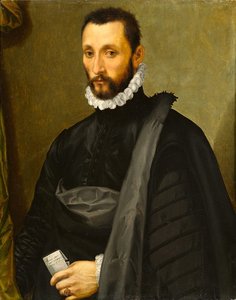
michele di ridolfo del ghirlandaio (michele tosini)
1483 - 1561 , Italy
Quick Facts
- Artistic Movement Or Style: High Renaissance/Mannerism
- Artists Who Influenced This Artist:
- Leonardo da Vinci
- Michelangelo
- Raphael
- Date Of Birth: 1483
- Date Of Death: 1561
- Full Name: Michele di Ridolfo del Ghirlandaio
- Notable Artworks: ['Frescoes in Villa Vecchia']
- Place Of Birth: Florence, Italy

