 Preview
 Send
Send Share
Share
 Details

 Download
 Similars
 X-Ray
X-Ray Diaporama
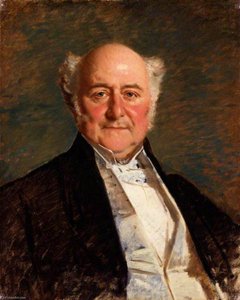
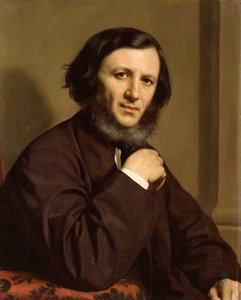
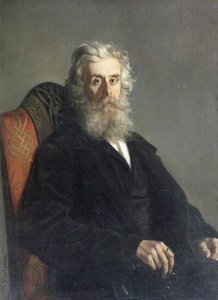
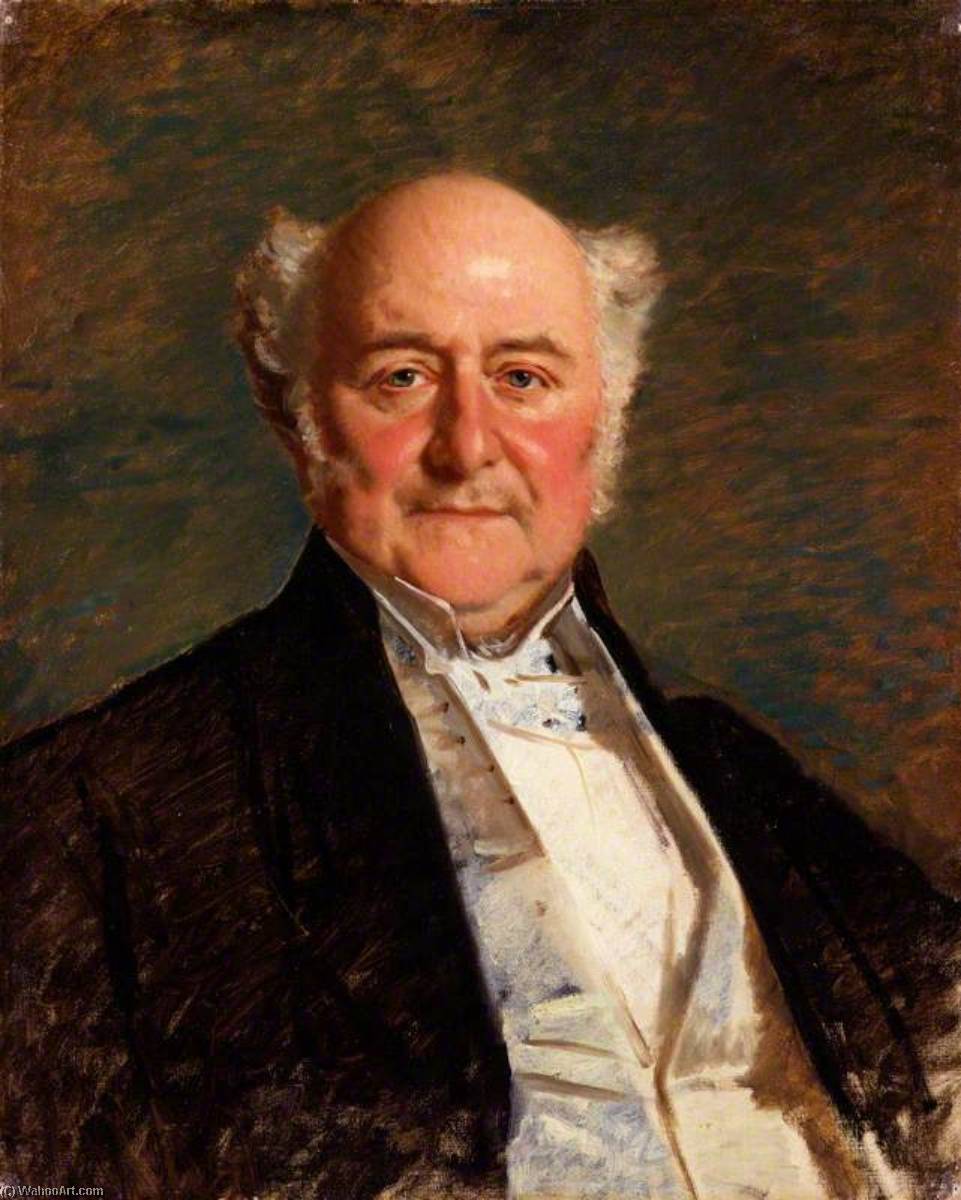
Richard Bethell, 1st Baron Westbury
 62.0 x 50.0 cm
 Read More
Hand Made Oil Reproduction
Hand-painted oil on canvas in your size and frame, made to order by our artists. ( Buy Print Buy Image)




































Pick from our preset sizes that match the artwork's original proportions.

You may enter your own dimensions to fit a specific frame or space. If your selected size does not match the original image's proportions, we will either crop the artwork or extend the painting with additional hand-painted elements. A digital mockup will be sent for your approval before production begins.
Please note that the on-screen preview does not reflect the actual cropping or extension. Only the mockup will accurately show the final composition.
While custom sizes are available, we recommend selecting a dimension from the predefined list to preserve the original proportions.
After order, ArtsDot.com team will email client for instructions and provide a mockup preview
Worldwide Delivery () in 3/4 weeks instead of standard 5 weeks. (21 August). No compromise on quality.

Free Worldwide Express Shipping

High-Quality Linen Canvas

Full Shipping Insurance

Customs Tax Refund Guarantee

True Color Matching Guarantee

60-Day Return Policy (Defects Only)

100% Money-Back Guarantee

Bulk Discount Offer
 Glass option is only available in size under 110 CM

Richard Bethell, 1st Baron Westbury
Reproduction Medium
Reproduction Size
-


Total Price
$ 263
Related Artworks










Artist Biography
Michele Gordigiani: The Elegant Observer of a Changing Italy
Michele Gordigiani, born in Florence in 1835 and passing away in 1909, remains a captivating figure within the landscape of Italian art—a portraitist who captured the essence of his era with remarkable skill and an undeniable charm. His life was inextricably linked to the vibrant cultural currents of mid-19th and early 20th century Italy, particularly the burgeoning Macchiaioli movement and the evolving social dynamics of a nation undergoing significant transformation. Gordigiani’s legacy isn't defined by grand revolutionary gestures but rather by his meticulous observation and refined technique, resulting in portraits that possess an intimate quality—a sense of genuine connection with his subjects.Early Years and Artistic Training
Gordigiani’s artistic journey began within the heart of Florence, a city steeped in artistic tradition. He was the son of Luigi Gordigiani, a renowned musician, providing him with an early exposure to the world of creativity and performance. This familial connection likely fostered a keen eye for detail and an appreciation for aesthetic beauty—qualities that would later inform his own work. Initially, he studied sculpture at the Florentine Academy under Lorenzo Bartolini, demonstrating an initial inclination towards three-dimensional art. However, recognizing his aptitude for capturing likenesses, he transitioned to painting, immersing himself in the teachings of Luigi Norcini and Silvestro Lega—artists associated with the purist school that emphasized direct observation and a rejection of academic conventions. Crucially, he also spent time in the studio of Luigi Mussini and Adolph Sturler, absorbing influences from both realistic and slightly more expressive approaches to portraiture. This diverse training provided him with a solid foundation, allowing him to develop his own distinctive style—one characterized by subtle nuances of expression and an almost uncanny ability to convey personality through carefully rendered features.The Caffè Michelangiolo and the Macchiaioli
A pivotal moment in Gordigiani’s artistic development occurred in 1855 when he began frequenting the Caffè Michelangiolo, a legendary gathering place for artists, intellectuals, and writers in Florence. It was here, alongside his brother Anatolio, that he encountered many of the Macchiaioli—a group of painters who championed a direct, unvarnished approach to depicting reality. The Macchiaioli’s emphasis on capturing fleeting moments and using visible brushstrokes profoundly influenced Gordigiani's work, encouraging him to prioritize observation and immediacy over idealized representations. Notably, he painted a portrait of Ludovico Raymond, another Macchiaiolo painter who also frequented the café, further cementing his connection with this influential movement. This environment fostered experimentation and a rejection of traditional artistic norms—a spirit that undoubtedly shaped Gordigiani’s evolving style.Royal Patronage and International Recognition
Gordigiani's talent quickly garnered recognition, leading to commissions from prominent figures within Italian society. In 1860, he was invited to Paris by Virginia Oldoini, the Countess of Castiglione—a fascinating patron known for her intelligence, independence, and connections to European aristocracy. This Parisian sojourn proved transformative, exposing him to new artistic trends and solidifying his reputation as a skilled portraitist. He soon found himself in high demand, painting portraits of King Vittorio Emanuele II, Queen Margherita (his wife), and the Count of Cavour—figures who defined the political and social landscape of Italy at the time. His success extended beyond Italy’s borders; in 1867, he traveled to London, where he painted portraits of Queen Victoria and Prince Albert, further establishing his international acclaim. The National Portrait Gallery in London holds one of these remarkable works—a testament to his skill and enduring appeal.Later Years and Legacy
Throughout the late 19th century, Gordigiani continued to work prolifically, producing a diverse range of subjects beyond portraits. He explored costume genre scenes, mythological themes, and small landscapes, though these latter proved less commercially successful. His involvement with the Sienese institute of art’s triennial contest reflected his commitment to artistic discourse and collaboration. In 1896 and 1898 he sent works to the Florentine Exhibition of Art and Flowers and at the Second Venice Biennale, showcasing his continued engagement with the contemporary art world. In 1909, seeking new opportunities, he moved to America, where he continued to paint portraits until his death in Florence. Among his pupils were Fosco Tricca, Francesca Magliani, Pompeo Massani, and Alfredo Müller—testaments to his influence as an artist and teacher. Michele Gordigiani’s work offers a valuable glimpse into the social and cultural dynamics of 19th-century Italy, characterized by elegance, observation, and a profound understanding of human character. His portraits remain treasured examples of Italian portraiture, admired for their technical skill, nuanced expressions, and enduring appeal.
michele gordigiani
1835 - 1909
Quick Facts
- Artistic Movement Or Style: Portraiture
- Artists Or Movements Influenced By This Artist:
- Macchiaioli
- Portraiture
- Artists Who Influenced This Artist:
- Luigi Mussini
- Silvestro Lega
- Date Of Birth: May 29, 1835
- Date Of Death: October 7, 1909
- Full Name: Michele Gordigiani
- Nationality: Italian
- Notable Artworks:
- Queen Margherita
- Victoria Portrait
- Elizabeth Browning
- Place Of Birth: Florence, Italy