

 Preview
 Send
Send Share
Share
 Details

 Download
 Similars
 X-Ray
X-Ray Diaporama
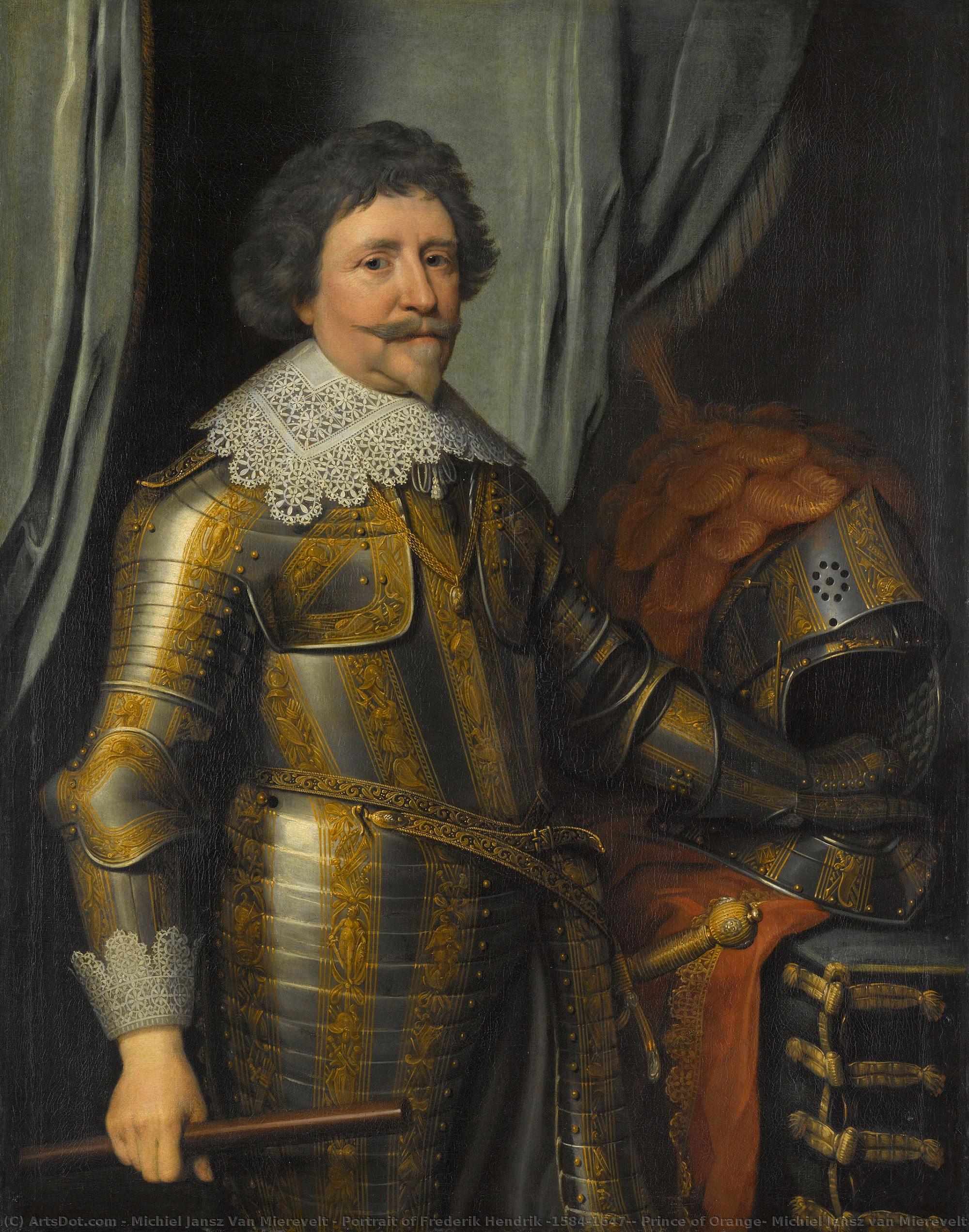
Portrait of Frederik Hendrik (1584-1647), Prince of Orange, Michiel Jansz van Mierevelt (workshop of), c. 1632


 Read More
Purchase a high-resolution, enhanced digital image, far superior to the online preview.
Each file is meticulously prepared by our in-house specialists using advanced tools and expert manual retouching. We ensure every image has exceptional clarity, precise color accuracy, and fine detail.
The final file is delivered via email within 72 hours, optimized for immediate use in professional, editorial, and print environments. This is the same quality trusted by top-tier design studios, publishers, and galleries.
Digital Image
Download a high-resolution file for personal display, printing, and creative projects. ( Buy Print Buy Hand Made Painting)
Included in Every Digital Image Order
Expert Digital Delivery, Guaranteed
When you choose ArtsDot.com, you're not just getting an image - you're receiving a professionally enhanced digital artwork, crafted with precision and backed by a satisfaction guarantee. Here's everything that comes with your order, automatically:

Fast Email Delivery
Your high-resolution digital image file will be emailed to you within 72 hours of ordering - ready for immediate use.

AI-Enhanced Digital File
Your artwork is professionally optimized using advanced AI tools and manual editing, ensuring maximum detail, clarity, and color accuracy.

Free Lifetime Re-Delivery
Accidentally deleted or lost your file? No worries - we'll resend it to you anytime, free of charge.

No Import Fees - Ever
Enjoy your artwork instantly with zero customs, duties, or delivery fees - digital downloads are always tax-free.

Color Accuracy Guarantee
We ensure your digital image reflects the original colors as closely as possible using professional tools and color management.

100-Day Satisfaction Guarantee
If you're not satisfied with your digital image, we'll revise it or refund 100% within 100 days - no questions asked.

100% Money-Back Guarantee
Not satisfied? Get a full refund within 100 days of receiving your digital file - no questions asked.

Bulk Order Discounts
Buy 3 images, save 10% - Buy 5, save 15% - Buy 10+, save 20%. Great for creative projects, galleries, and agencies.
Related Artworks

Artist Biography
The Master of the Dutch Gaze: The Life of Michiel Jansz van Mierevelt
In the heart of the Dutch Golden Age, amidst the burgeoning prosperity of Delft, a painter emerged whose brush would capture the very essence of an era. Michiel Jansz van Mierevelt, a name synonymous with the dignified portraiture of the seventeenth century, did not merely paint faces; he documented the prestige and the profound gravity of the Dutch nobility. Born in 1567 to a goldsmith, his early exposure to the meticulous precision of metalwork likely laid the foundation for the exacting detail that would later define his artistic legacy. His journey began under the tutelage of the copperplate engraver Hieronymus Wierix, an apprenticeship that instilled in him a profound respect for line and form, qualities that would become the hallmarks of his mature style.
The trajectory of Mierevelt’s career was shaped by a series of influential mentors and pivotal moments. After refining his skills under Willem Willemz and Augusteyn of Delft, his talent caught the eye of Anthonie van Montfoort, who recognized the burgeoning genius within the young artist's early engravings. This recognition led him to the vibrant artistic circles of Utrecht, setting the stage for a career that would eventually transcend local boundaries. By 1625, having registered with the Guild of St. Luke in The Hague, Mierevelt began a transition from the delicate world of still lifes to the commanding realm of portraiture—a shift that would ultimately define his historical significance.
A Workshop of Grandeur and Precision
As the demand for his work grew, Mierevelt’s studio evolved into a highly organized engine of artistic production. His reputation for sincerity and a harmonious use of color became so widespread that he was able to manage an extensive workshop, employing numerous assistants to meet the overwhelming volume of commissions. This "factory" approach allowed for the creation of hundreds, perhaps even thousands, of portraits that circulated through the courts of Europe. While many of these works bear his name, the pieces that can be definitively attributed to his own hand are celebrated by historians for their severe, disciplined drawing and an emotional honesty that avoids the superficiality often found in mass-produced art.
The technical brilliance of Mierevelt lies in his ability to balance the rigid requirements of formal portraiture with a subtle, lifelike vitality. His compositions often feature:
- Sincere Expressions: A rejection of overly theatrical poses in favor of a dignified, penetrating gaze.
- Harmonious Color Palettes: The use of rich, balanced tones that lend a sense of permanence to his subjects.
- Meticulous Detail: An engraver's precision applied to the textures of lace, velvet, and armor.
Legacy and Royal Patronage
The prestige of Mierevelt’s art was reflected in the extraordinary honors bestowed upon him by the highest echelons of European society. He was not merely a local painter but an artist of international standing, earning the admiration of monarchs and aristocrats alike. The King of Sweden and the Count Palatine of Neuburg honored his mastery with golden chains, while the Archduke Albert VII of Austria provided him with a pension, ensuring his stability in Delft. Even the English court, under Charles I, sought to lure him away, though the artist remained steadfast in his Dutch roots.
Today, the historical significance of Michiel Jansz van Mierevelt is preserved in the vast collections of institutions like the Rijksmuseum in Amsterdam, which holds some of his most vital works, including portraits of the House of Orange. His ability to capture the likenesses of figures such as William, Philip William, Maurice, and Frederic ensures that his legacy remains an indelible part of the Dutch Golden Age. Through his work, we do not just see the faces of the past; we feel the weight of their history, rendered with a clarity that has survived the passage of centuries.
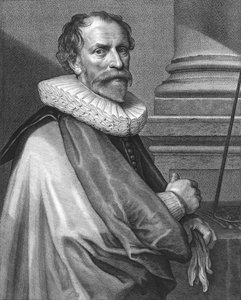
michiel jansz van miereveld
1567 - 1641 , Netherlands
Quick Facts
- Artistic Movement Or Style: Golden Age
- Artists Or Movements Influenced By This Artist: ['Dutch Renaissance']
- Artists Who Influenced This Artist:
- Willem Witlems
- Augusteyn of Delft
- Date Of Birth: May 1566
- Date Of Death: June 1641
- Full Name: Michiel Janszoon van Mierevelt
- Nationality: Dutch
- Notable Artworks:
- Portrait of Margaretha van Clootwijk
- Jacob Van Dalen
- Place Of Birth: Delft, Netherlands