

 Preview
 Send
Send Share
Share
 Details

 Download
 Similars
 X-Ray
X-Ray Diaporama
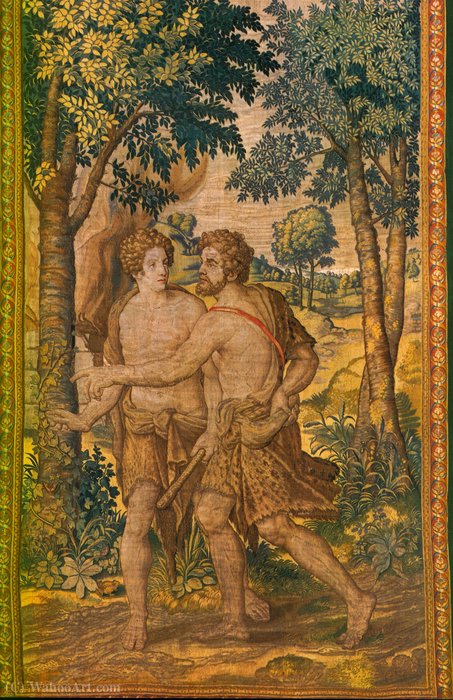
Cain and Abel
 Read More
Purchase a high-resolution, enhanced digital image, far superior to the online preview.
Each file is meticulously prepared by our in-house specialists using advanced tools and expert manual retouching. We ensure every image has exceptional clarity, precise color accuracy, and fine detail.
The final file is delivered via email within 72 hours, optimized for immediate use in professional, editorial, and print environments. This is the same quality trusted by top-tier design studios, publishers, and galleries.
Digital Image
Download a high-resolution file for personal display, printing, and creative projects. ( Buy Print Buy Hand Made Painting)
Included in Every Digital Image Order
Expert Digital Delivery, Guaranteed
When you choose ArtsDot.com, you're not just getting an image - you're receiving a professionally enhanced digital artwork, crafted with precision and backed by a satisfaction guarantee. Here's everything that comes with your order, automatically:

Fast Email Delivery
Your high-resolution digital image file will be emailed to you within 72 hours of ordering - ready for immediate use.

AI-Enhanced Digital File
Your artwork is professionally optimized using advanced AI tools and manual editing, ensuring maximum detail, clarity, and color accuracy.

Free Lifetime Re-Delivery
Accidentally deleted or lost your file? No worries - we'll resend it to you anytime, free of charge.

No Import Fees - Ever
Enjoy your artwork instantly with zero customs, duties, or delivery fees - digital downloads are always tax-free.

Color Accuracy Guarantee
We ensure your digital image reflects the original colors as closely as possible using professional tools and color management.

60-Day Satisfaction Guarantee
If you're not satisfied with your digital image, we'll revise it or refund 100% within 60 days - no questions asked.

100% Money-Back Guarantee
Not satisfied? Get a full refund within 60 days of receiving your digital file - no questions asked.

Bulk Order Discounts
Buy 3 images, save 10% - Buy 5, save 15% - Buy 10+, save 20%. Great for creative projects, galleries, and agencies.
Related Artworks
Artist Biography
The Flemish Raphael: The Life and Legacy of Michiel van Coxcie
Michiel van Coxcie (1499–1592) remains one of the most compelling figures of the sixteenth century, a master whose brush bridged the profound spiritual traditions of Flanders with the monumental grandeur of the Italian Renaissance. Often celebrated by historians as the Feminine Raphael, Coxcie possessed a rare ability to synthesize the anatomical precision and classical balance of the South with the emotive, textured realism characteristic of his Northern roots. Born in Mechelen, Belgium, his life unfolded during an era of immense religious and artistic transformation, a period where the boundaries of European art were being redrawn by the influence of masters like Michelangelo and Raphael. His early training was deeply embedded in the Flemish tradition, learning under the watchful eyes of figures such as Jan Portaers and the legendary Pieter Bruegel the Elder. From these mentors, he inherited a devotion to meticulous detail and an unflinching approach to human emotion. Yet, Coxcie’s artistic soul yearned for something more expansive. His travels and studies allowed him to absorb the revolutionary advancements of the Italian masters, particularly the dramatic muscularity of Michelangelo and the harmonious compositions of Leonardo da Vinci. This unique fusion allowed him to create works that were not merely imitations of foreign styles, but a sophisticated evolution of his own heritage, characterized by figures that possess both breathtaking physical accuracy and a haunting psychological depth.A Versatile Master of Medium and Scale
The breadth of Coxcie’s talent was truly extraordinary, as he moved seamlessly between the delicate intimacy of portraiture and the overwhelming scale of monumental religious commissions. His versatility extended far beyond the canvas; he was equally adept at designing intricate tapestries and sculpting forms that commanded space. This polymathic approach allowed him to secure the patronage of some of the most powerful figures in Europe, including Maximilian I of Bavaria and Philip II of Spain. Such high-profile support ensured that his influence permeated the highest echelons of European courtly life, making him a central figure in the visual language of the era. His achievements are perhaps best exemplified by his contributions to the great cathedrals of the Low Countries. In the St. Michael and Gudula Cathedral in Brussels, his massive altarpieces stand as enduring testaments to his technical prowess, utilizing complex compositions to guide the viewer through sacred narratives. Furthermore, his work on the St. Rumbolds Cathedral tapestry—specifically his depiction of Adam and God—is regarded by scholars as a pinnacle of Renaissance textile art. In these works, one can observe the seamless integration of:- Anatomical Mastery: A profound understanding of the human form that brings a sense of weight and presence to every figure.
- Narrative Depth: The ability to weave complex theological themes into visually accessible and emotionally resonant scenes.
- Chromatic Brilliance: A sophisticated use of color that enhances the dramatic tension and spiritual atmosphere of his compositions.
Historical Significance and Artistic Evolution
As the sixteenth century progressed, Coxcie’s style underwent a subtle yet significant evolution, mirroring the shifting currents of European taste as the Renaissance transitioned toward the more dramatic and emotive qualities of the early Baroque. While he never abandoned the classical foundations that defined his early career, his later works began to embrace a greater sense of movement and theatricality. This adaptability ensured that his work remained relevant even as the artistic landscape grew increasingly complex and turbulent due to the religious upheavals of the Reformation and Counter-Reformation. The historical significance of Michiel van Coxcie lies in his role as a cultural conduit. He did not simply bring Italian ideas to Flanders; he translated them into a local vernacular that resonated with the spiritual sensibilities of his people. By blending the intellectual rigor of the South with the soulful realism of the North, he helped forge a unique aesthetic identity for Flemish art. Today, his legacy survives in the silent majesty of his surviving paintings and tapestries, which continue to invite viewers into a world where the divine and the human are inextricably linked through the power of masterful artistry.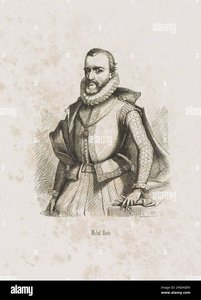
Michiel van Coxcie
1499 - 1592 , Belgium
Quick Facts
- Artistic Movement Or Style: Renaissance & Baroque Synthesis
- Artists Or Movements Influenced By This Artist: ['Baroque Painting']
- Artists Who Influenced This Artist:
- Michelangelo
- Da Vinci
- Raphael
- Date Of Birth: Mechelen, Belgium (1499)
- Date Of Death: 1592
- Full Name: Michiel van Coxcie
- Nationality: Flemish
- Notable Artworks:
- The Revenge of Tomyris
- Adam and the God (detail)
- Saint Cecilia
- Place Of Birth: Mechelen

