 Preview
 Send
Send Share
Share
 Details

 Download
 Similars
 X-Ray
X-Ray Diaporama
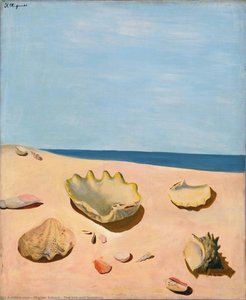
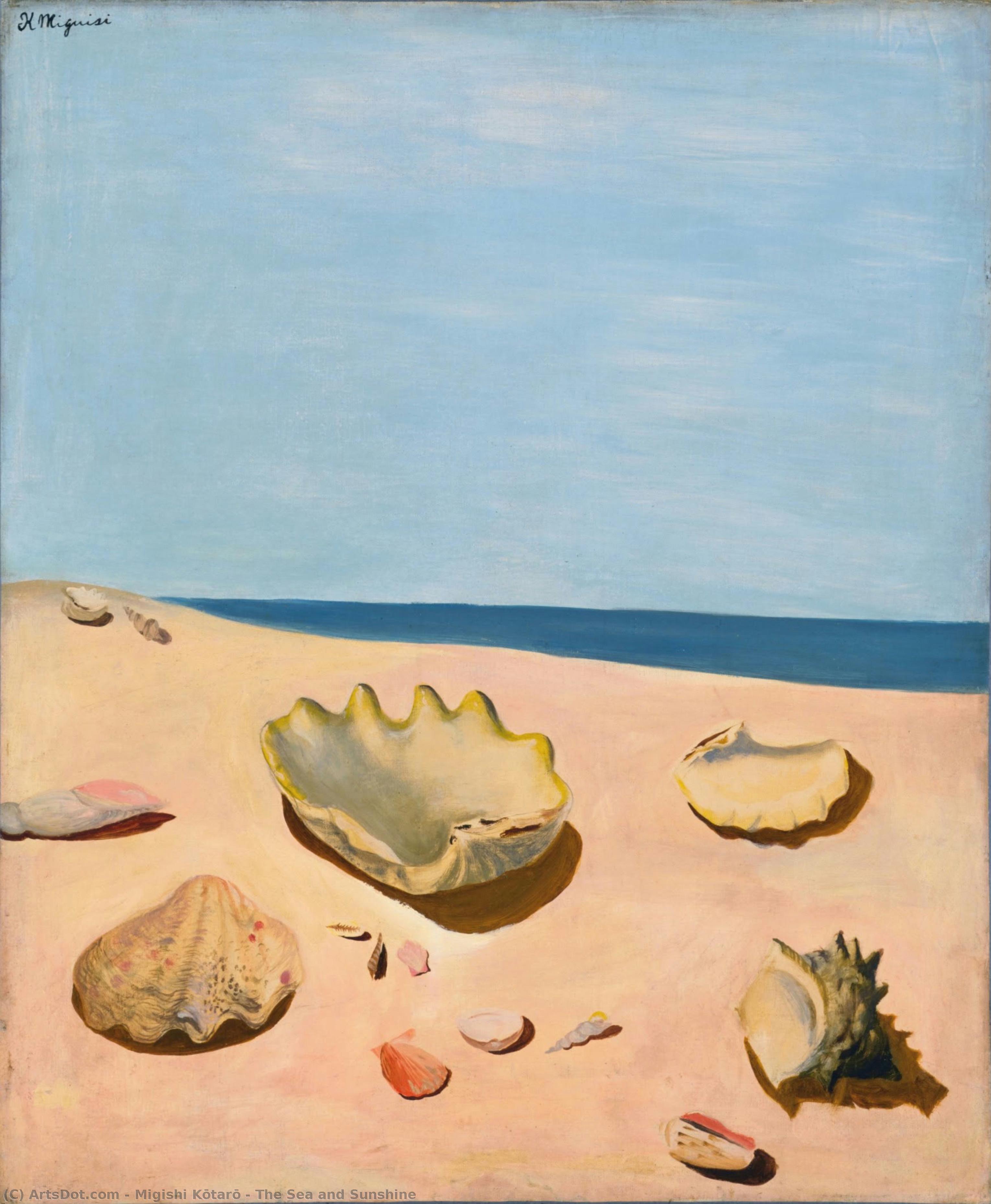
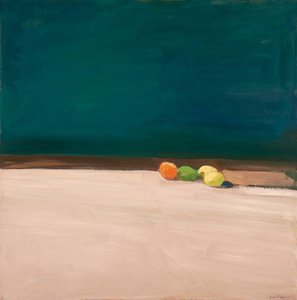
The Sea and Sunshine
 Oil
Oil- WallArt
- Post-Impressionism
 1934
1934- Modern
 72.0 x 60.0 cm
 Nagoya City Art Museum
 Read More
Hand Made Oil Reproduction
Hand-painted oil on canvas in your size and frame, made to order by our artists. ( Buy Print Buy Image)




P118B $10

P118H $10

P118W $10

P438Z $10

P508JH $12

P508YH $12

P805H $10

P805Z $10

P919BZ $10

P919G $10

P919XJ $10

P959ZH $10

P968JZ $12

W106C $8

W218G $10

W218JH $8

W218Y $10

W307PJ $10

W316G $10

W316PJ $8

W316Y $10

W398PJ $8

W4111J $10

W500HY $15

W500JH $15

W692G $12

W849H $8

W940BG $15

W953PJ $8




Pick from our preset sizes that match the artwork's original proportions.

You may enter your own dimensions to fit a specific frame or space. If your selected size does not match the original image's proportions, we will either crop the artwork or extend the painting with additional hand-painted elements. A digital mockup will be sent for your approval before production begins.
Please note that the on-screen preview does not reflect the actual cropping or extension. Only the mockup will accurately show the final composition.
While custom sizes are available, we recommend selecting a dimension from the predefined list to preserve the original proportions.
After order, ArtsDot.com team will email client for instructions and provide a mockup preview
Worldwide Delivery () in 3/4 weeks instead of standard 5 weeks. (24 August). No compromise on quality.

Free Worldwide Express Shipping

High-Quality Linen Canvas

Full Shipping Insurance

Customs Tax Refund Guarantee

True Color Matching Guarantee

60-Day Return Policy (Defects Only)

100% Money-Back Guarantee

Bulk Discount Offer
 Glass option is only available in size under 110 CM

The Sea and Sunshine
Reproduction Medium
Reproduction Size
-


Total Price
$ 263
Artwork Description
A Coastal Symphony in Shell and Sand
In the delicate interplay of light and texture found within The Sea and Sunshine, one discovers a profound meditation on the ephemeral beauty of the natural world. Painted in 1934, this exquisite work by Migishi Kōtarō invites the viewer to wander along a sun-drenched shoreline where the rhythmic pulse of the tide meets the stillness of the earth. The composition is a masterful arrangement of organic forms; scattered across the golden expanse of the sandy shore is a vibrant collection of shells, each rendered with a meticulous attention to shape and scale. Some lie nestled near the frothing edge of the water, caught in the fleeting moment of a receding wave, while others rest further inland, anchored by the weight of their own history. A rugged pile of rocks anchors the left side of the canvas, providing a structural counterpoint to the fluid, scattered elements of the beach, creating a scene that is simultaneously lively and deeply serene.
The technique employed in this piece reflects Kōtarō’s unique position at the crossroads of Eastern sensibility and Western modernism. Influenced by the raw emotionality of Van Gogh and the structural integrity of Cézanne, the artist utilizes a brushwork that breathes life into the inanimate. There is a palpable sense of tactile reality in the way the light hits the pearlescent surfaces of the shells and the gritty texture of the sand. The palette, though grounded in the earthy tones of the coast, is infused with a luminous quality that suggests the warmth of a midday sun. This mastery of light does more than merely illuminate the subject; it imbues the entire landscape with a sense of vitality, making the viewer feel the warmth of the sun and the salt in the air.
The Poignant Legacy of a Brief Brilliance
To contemplate The Sea and Sunshine is to engage with the tragic brilliance of an artist whose life was as intense as it was short. Migishi Kōtarō, born in Sapporo, passed away in the very same year this masterpiece was completed, leaving behind a body of work that serves as a testament to a meteoric rise. His journey from the influence of Hayashi Takejirō to the avant-garde circles of Tokyo allowed him to synthesize a style that felt both modern and timeless. In this painting, the symbolism of the seashells—remnants of life left behind by the sea—resonates with the poignant brevity of Kōtarō’s own career. The scene captures a moment of perfect, sunlit equilibrium, yet there is an underlying sense of the transient nature of beauty.
For the discerning collector or interior designer, this reproduction offers more than just a visual centerpiece; it provides an emotional anchor for any space. Its ability to evoke the tranquil essence of coastal life makes it an ideal addition to rooms designed for reflection and peace. Whether placed in a sunlit gallery or a sophisticated living area, the painting’s intricate details and evocative atmosphere command attention, offering a window into a vanished moment of 1930s modernism. It is a piece that does not merely decorate a wall but transforms an environment, bringing the timeless, rhythmic peace of the seashore into the heart of the home.
Related Artworks

Artist Biography
A Brief Life Illuminated: The Tragic Brilliance of Migishi Kōtarō
Migishi Kōtarō, a name resonating with both promise and poignant brevity in the landscape of early 20th-century Japanese art, was an artist whose career burned intensely but all too briefly. Born in Sapporo in 1903, his artistic journey began not within the traditional confines of Japanese painting schools, but through the burgeoning influence of Western oil painting—a path guided by Hayashi Takejirō during his middle school years. This early exposure laid the foundation for a style that would become synonymous with bridging Eastern sensibilities and Western modernism. His move to Tokyo in 1920 proved pivotal; an exhibition showcasing the works of Cézanne and Van Gogh, sponsored by the influential Shirakaba-ha literary association, ignited within him a passion that would define his artistic trajectory. The raw emotion of Van Gogh and the structural innovations of Cézanne weren’t merely imitated but absorbed, filtered through a uniquely Japanese lens. His early successes – acceptance into prestigious exhibitions like the Central Art Exhibition in 1921 and winning first prize at the Shun’yō-kai in 1924 – signaled the arrival of a significant new voice.Navigating Modernity: Influences and Artistic Development
The 1920s saw Migishi actively participating in Tokyo's vibrant art scene, exhibiting alongside contemporaries and forging his own artistic identity. His marriage to fellow artist Yoshida Setsuko in 1923 was not only a personal union but also an artistic partnership, fostering a creative environment that would prove crucial for both their careers. The collaborative spirit extended beyond his wife; the organization of independent exhibitions with friends like Chōkai Seiji demonstrated a desire to break free from established norms and explore new avenues of expression. Becoming a founding member of the Independent Art Association in 1929 further solidified this commitment to artistic autonomy. However, it was after 1932 that Migishi’s work underwent its most dramatic transformation. A period spent absorbing the currents of modern French art – including an avant-garde exhibition in Paris and engagement with the Progressive Art Alliance in Tokyo – propelled him towards a synthesis of abstract expressionism, Fauvism's bold color palettes, and ultimately, Surrealism. This wasn’t simply stylistic mimicry; Migishi sought to translate the emotional intensity and psychological depth of these movements into a visual language that resonated with his own cultural heritage.A Fusion of Styles: The Essence of Migishi’s Art
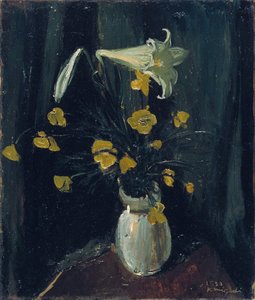
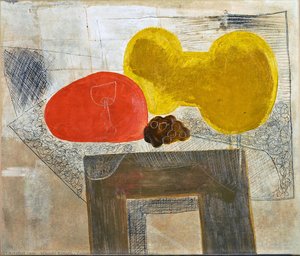
Migishi Kōtarō's paintings are characterized by a striking interplay between form, color, and emotion. His still lifes, such as Still Life with Flowers of White Lily, demonstrate a masterful command of light and shadow, imbued with a sense of quiet contemplation. The flowers aren’t merely depicted; they *exist* on the canvas, radiating an almost palpable energy. Similarly, his landscapes, like The Sea and Sunshine, capture not just the visual appearance of nature but its underlying vitality. He wasn't interested in photographic realism; instead, he sought to convey the feeling of being immersed in a particular environment – the warmth of the sun on skin, the scent of salt air, the vastness of the ocean. Composition: Still Life with Fireplace exemplifies his ability to create intimate scenes charged with symbolic meaning. The fireplace, often representing hearth and home, is rendered with an almost unsettling intensity, hinting at deeper psychological currents. His later forays into Surrealism saw him explore dreamlike imagery and subconscious themes, pushing the boundaries of representation even further.A Legacy Cut Short: Remembrance and Influence
Tragically, Migishi Kōtarō’s promising career was cut short by his untimely death in Nagoya in 1934 at the age of just thirty-one, succumbing to a bleeding stomach ulcer. His passing left a void in the Japanese art world, but his legacy endured through the dedication of his home prefecture, which established the Migishi Kōtarō Museum of Art, Hokkaido in Sapporo. This museum serves as a testament to his artistic vision and continues to inspire generations of artists and art enthusiasts. The Hokkaido Museum of Modern Art, with its extensive collection including many of his works, further ensures that his contributions are preserved and celebrated. His wife, Yoshida Setsuko, continued her own successful career, becoming a prominent figure in Japanese modern painting herself, ensuring the continuation of their shared artistic spirit. Migishi Kōtarō’s work remains significant not only for its aesthetic qualities but also for its historical context—a pivotal moment when Japanese artists were grappling with the challenges and opportunities presented by Western modernity, forging a unique path that blended tradition and innovation. He stands as a poignant reminder of the brilliance that can be lost too soon, yet whose impact continues to resonate through time.Exploring Further
- Selected Paintings: Migishi Kōtarō: Still Life with Flowers of White Lily (Nagoya City Art Museum), The Sea and Sunshine (Nagoya City Art Museum), Composition: Still Life with Fireplace (Nagoya City Art Museum).
- Resources for Further Study: Explore the Migishi Kōtarō Museum of Art, Hokkaido, and delve into resources on Japanese Yōga painting to gain a deeper understanding of his artistic context.
- Related Artists: Yoshida Setsuko (wife), Chōkai Seiji (collaborator).
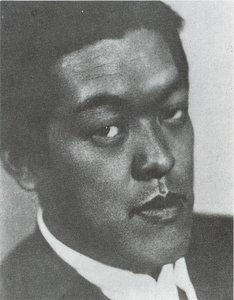
Migishi Kōtarō
1903 - 1934 , Japan
Quick Facts
- Artistic Movement Or Style:
- Fauvism
- Surrealism
- Abstract Expressionism
- Artists Who Influenced This Artist:
- Cézanne
- Van Gogh
- Date Of Birth: April 18, 1903
- Date Of Death: July 1, 1934
- Full Name: Migishi Kōtarō
- Nationality: Japanese
- Notable Artworks:
- Still life with flowers of white lily
- The sea and sunshine
- Composition: still life with fireplace
- Place Of Birth: Sapporo, Japan
Related Articles

Romantic Landscapes: 10 Masterpieces for Your Home | ArtsDot
Journey through 10 Romantic landscape masterpieces by Friedrich, Turner & Cole. Explore emotional art, sublime nature scenes & iconic 19th-century paintings. Find museum-quality reproductions for your home at ArtsDot.com – discover the full collection online!

John Constable's Masterpieces: Explore 25 Iconic Landscapes for Your Home
Journey through John Constable's 25 most celebrated landscapes. Explore Romanticism, Dedham Vale & his masterful use of light in iconic paintings like 'Hay Wain'. Find museum-quality art reproductions and elevate your home decor on ArtsDot.com.

Evocations of Place: A Historical Journey Through Landscape Art
Explore the rich history of landscape art with ArtsDot. Discover renowned artists, movements like Impressionism & Romanticism, and expert guidance for collecting timeless pieces. Find your perfect serene escape today!

Evocations of Place: A Historical Journey Through Landscape Art
Explore the rich history of landscape art with ArtsDot. Discover renowned artists, movements like Impressionism & tonalism, and expert guidance for collecting timeless pieces. Find your perfect serene escape today!

Evoking Nature's Sublime: A Comprehensive Exploration of 19th-Century Landscape Painting
Explore the captivating world of 19th-century landscape painting! Discover renowned artists like Friedrich & Monet, key movements, and find the perfect artwork to bring nature's serenity into your home. Expert insights at ArtsDot.