 Preview
 Send
Send Share
Share
 Details

 Download
 Similars
 X-Ray
X-Ray Diaporama
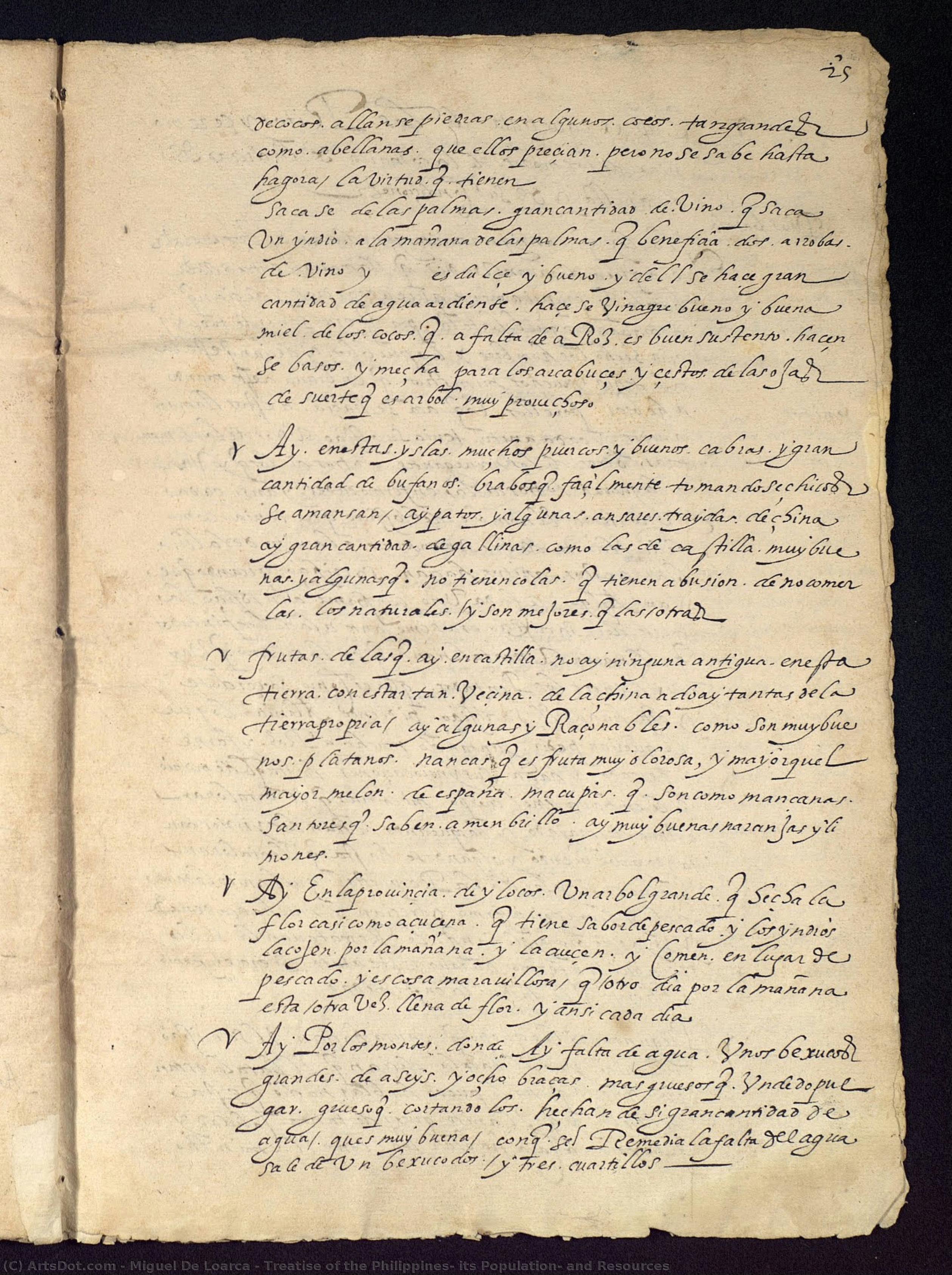
Treatise of the Philippines, its Population, and Resources

 Read More
Giclée / Art Print
Museum-quality giclée or canvas print with fast production and flexible finish options. ( Buy Hand Made Painting Buy Image)




































Pick from our preset sizes that match the artwork's original proportions.

You may enter your own dimensions to fit a specific frame or space. If your selected size does not match the original image's proportions, we will either crop the artwork or extend the image with a mirrored or solid-fill edge. A digital mockup will be sent for your approval before production begins.
Please note that the on-screen preview does not reflect the actual cropping or extension. Only the mockup will accurately show the final composition.
While custom sizes are available, we recommend selecting a dimension from the predefined list to preserve the original proportions.
Worldwide Delivery () in 2 weeks instead of standard 4/5 weeks. (31 August)

Free Worldwide Express Shipping

High-Quality Linen Canvas

Full Shipping Insurance

Customs Tax Refund Guarantee

True Color Matching Guarantee

60-Day Return Policy (Defects Only)

100% Money-Back Guarantee

Bulk Discount Offer
 Glass option is only available in size under 110 CM

Treatise of the Philippines, its Population, and Resources
Giclée / Art Print
Reproduction Size
-


Total Price
$ 63
Related Artworks









Artist Biography
The Chronicler of an Archipelago: The Legacy of Miguel de Loarca
In the grand, sweeping tapestry of the Age of Discovery, few figures possess a narrative as compelling or as intellectually profound as Miguel de Loarca. While history often remembers the conquistadors through the lens of steel and conquest, Loarca emerges from the sixteenth century as a much more nuanced presence—a man whose sword was matched by a scholar’s eye. Born in Spain around 1530, he arrived on the shores of the Philippine archipelago not merely as a soldier of the Spanish Crown, but as an observant witness to a world on the precipice of monumental change. His journey, which began with his enlistment in the expeditionary force of Miguel López de Legazpi in 1565, would eventually transform him from a participant in colonial expansion into one of the most vital early chroniclers of the Pacific.
Loarca’s early years in the Philippines were defined by the grit and uncertainty of the conquest of Cebu. Yet, even amidst the turbulence of establishing Spanish dominion, a distinct intellectual curiosity began to take root. Unlike many of his contemporaries who sought only the immediate spoils of war or the accumulation of personal wealth, Loarca possessed an almost ethnographic instinct. He looked beyond the horizon of military victory to study the intricate social fabrics, the vibrant landscapes, and the complex spiritual lives of the indigenous populations. This innate drive to document the natural and human world would become the hallmark of his life’s work, elevating him from a mere captain to a foundational figure in Philippine historiography.
A Literary Monument: The Treatise of the Philippines
The pinnacle of Loarca’s intellectual achievement is undoubtedly his 1572 masterpiece, “Treatise of the Philippines” (often referred to as Relacion de las Yslas Filipinas). This meticulously researched manuscript serves as a breathtaking window into a lost era. Through his prose, we encounter a detailed portrait of the islands' geography, its lush flora and fauna, and the diverse customs of its people. Loarca’s writing was far more than a simple colonial report; it was an analytical endeavor. He possessed a visionary capacity to recognize the economic potential of the land, famously advocating for the cultivation of silk and indigo dye, thereby attempting to map out a sustainable future for the burgeoning colony.
What makes Loarca’s work truly remarkable is the depth of his observations regarding the indigenous cultures of the Visayas and Luzon. His writings include what can be described as an early census, providing rare, albeit filtered, glimpses into the populations of Cebu, Bohol, Leyte, and even the far reaches of Mindanao. He documented the existence of diwatas and anitos with a level of respect and curiosity that was strikingly rare for a Spanish official of his time. By choosing to record the "barbarous" customs through a lens of administrative necessity and genuine interest, he preserved fragments of pre-colonial identity that might otherwise have been swallowed by the tides of history.
Governance, Land, and Enduring Significance
Beyond the written word, Loarca’s influence was etched into the very soil of the archipelago. Serving as the Governor General of Cebu from 1572 to 1576, he navigated the treacherous political waters of early colonial administration with remarkable skill. He was a man of strategic foresight, managing the consolidation of Spanish authority while fostering essential alliances with local chieftains. His leadership was characterized by an attempt to establish order and law, yet it was always tempered by his understanding of the local landscape—a landscape he had personally explored and documented.
The historical significance of Miguel de Loarca cannot be overstated. He represents a rare bridge between the era of raw conquest and the era of colonial administration and documentation. His legacy is found not only in the archives of Spain but in the very foundation of Philippine historical identity. Through his strategic land grants and his administrative reforms, he helped shape the territorial boundaries of the early Spanish presence. More importantly, through his literary contributions, he ensured that the voices, the resources, and the essence of the Philippines were heard by the wider world, leaving behind a profound intellectual inheritance that continues to fascinate historians and scholars to this day.
miguel de loarca
Spain
Quick Facts
- Artistic Movement Or Style: Early Colonial Philippine
- Artists Or Movements Influenced By This Artist: ['Renaissance']
- Artists Who Influenced This Artist: ['Juan Ginés de Sepúlveda']
- Full Name: Miguel de Loarca
- Nationality: Spanish
- Notable Artworks: ['Treatise of the Philippines']
- Place Of Birth: Spain