

 Preview
 Send
Send Share
Share
 Details

 Download
 Similars
 X-Ray
X-Ray Diaporama
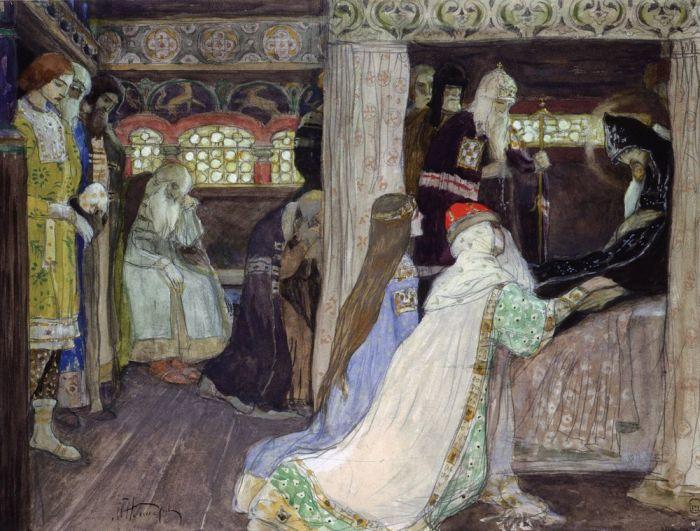
Entombment of Alexander Nevsky


 Read More
Purchase a high-resolution, enhanced digital image, far superior to the online preview.
Each file is meticulously prepared by our in-house specialists using advanced tools and expert manual retouching. We ensure every image has exceptional clarity, precise color accuracy, and fine detail.
The final file is delivered via email within 72 hours, optimized for immediate use in professional, editorial, and print environments. This is the same quality trusted by top-tier design studios, publishers, and galleries.
Digital Image
Download a high-resolution file for personal display, printing, and creative projects. ( Buy Print Buy Hand Made Painting)
Included in Every Digital Image Order
Expert Digital Delivery, Guaranteed
When you choose ArtsDot.com, you're not just getting an image - you're receiving a professionally enhanced digital artwork, crafted with precision and backed by a satisfaction guarantee. Here's everything that comes with your order, automatically:

Fast Email Delivery
Your high-resolution digital image file will be emailed to you within 72 hours of ordering - ready for immediate use.

AI-Enhanced Digital File
Your artwork is professionally optimized using advanced AI tools and manual editing, ensuring maximum detail, clarity, and color accuracy.

Free Lifetime Re-Delivery
Accidentally deleted or lost your file? No worries - we'll resend it to you anytime, free of charge.

No Import Fees - Ever
Enjoy your artwork instantly with zero customs, duties, or delivery fees - digital downloads are always tax-free.

Color Accuracy Guarantee
We ensure your digital image reflects the original colors as closely as possible using professional tools and color management.

60-Day Satisfaction Guarantee
If you're not satisfied with your digital image, we'll revise it or refund 100% within 60 days - no questions asked.

100% Money-Back Guarantee
Not satisfied? Get a full refund within 60 days of receiving your digital file - no questions asked.

Bulk Order Discounts
Buy 3 images, save 10% - Buy 5, save 15% - Buy 10+, save 20%. Great for creative projects, galleries, and agencies.
Collectible Description
A Moment of Reverence: "Entombment of Alexander Nevsky" by Mikhail Nesterov
This evocative painting, “Entombment of Alexander Nevsky,” created around 1900 by the renowned Russian artist Mikhail Nesterov, offers a poignant glimpse into a pivotal moment in Russian history and spirituality. It depicts the solemn ceremony surrounding the burial of Alexander Nevsky, a revered prince and saint celebrated for his military victories and diplomatic prowess in the 13th century.
Symbolism and Historical Context
Alexander Nevsky's life was marked by both fierce defense of Russian lands against foreign invaders and skillful negotiation to maintain peace. His canonization as a saint solidified his status as a protector of Russia, and this painting captures the profound respect and reverence felt for him following his death in 1263. The scene is set within an ornate chamber, suggesting a space of significant religious importance. Notice the figures surrounding the tomb: a priest officiating the ceremony, a figure likely representing royalty or nobility, and women participating in the mourning rituals. The presence of a bed visible in the background hints at the domesticity intertwined with the solemnity of the occasion.
Nesterov's Symbolist Style
Mikhail Nesterov was a leading figure in Russian Symbolism, an artistic movement that sought to express spiritual and mystical truths through symbolic imagery rather than strict realism. In "Entombment of Alexander Nevsky," this is evident in the soft lighting, the carefully composed arrangement of figures, and the overall atmosphere of quiet contemplation. Nesterov’s style moves beyond mere depiction; he aims to evoke a feeling of profound sadness and spiritual connection. The muted color palette contributes to the painting's somber mood, while subtle details invite viewers to ponder the deeper meaning behind the scene.
Technique and Artistic Merit
While the exact technique used in the original is not fully documented, it’s likely Nesterov employed oil paints on canvas, a common medium for Russian artists of his time. His mastery lies in his ability to create a sense of depth and realism while maintaining an ethereal quality characteristic of Symbolism. The careful rendering of fabrics, facial expressions, and architectural details demonstrates his technical skill. A hand-painted reproduction captures these nuances beautifully, allowing viewers to appreciate the artist’s meticulous attention to detail.
Emotional Impact and Legacy
“Entombment of Alexander Nevsky” is more than just a historical depiction; it's an exploration of grief, faith, and national identity. The painting invites introspection, prompting viewers to consider themes of mortality, remembrance, and the enduring power of spiritual belief. Nesterov’s work continues to resonate with audiences today, offering a window into the soul of Russian art and culture. Owning a reproduction allows you to bring this powerful piece of history and artistry into your home or office, creating an atmosphere of quiet contemplation and timeless beauty.
Related Artworks


Artist Biography
A Life Immersed in Spirit and Symbolism
Mikhail Vasilyevich Nesterov, born on May 31st, 1862, in Ufa, Russia, was not merely a painter but a visual poet of the Russian soul. He emerged from a strongly patriarchal and merchant-based family where artistic inclinations were surprisingly nurtured; his father’s love for history and literature ignited within him a desire to translate stories and emotions onto canvas. This early encouragement led him to Moscow in 1874, enrolling at the Voskresensky Realschule—a pivotal step that set him on the path toward becoming one of Russia's most significant Symbolist painters. Formal artistic education began at the Moscow School of Painting, Sculpture and Architecture in 1877, where he studied under esteemed artists like Pavel Sorokin, Illarion Pryanishnikov, and Vasily Perov—the latter proving a particularly influential figure. Even during these formative years, Nesterov’s talent was evident as he began exhibiting his work with the school as early as 1879. A brief, unsatisfying period at the Imperial Academy of Fine Arts prompted a return to Moscow and further tutelage under Alexei Savrasov, solidifying his artistic foundation. These early experiences instilled in him a blend of realism and an emerging sensitivity to atmosphere and emotional depth that would characterize his mature style.
The Dawn of a Unique Vision
Nesterov’s breakthrough arrived with The Hermit (1889), a painting that immediately resonated with the public and critics alike. Its acquisition by Pavel Tretyakov, the renowned collector and founder of the Tretyakov Gallery, was not merely a financial transaction but a validation of Nesterov’s burgeoning artistic voice. This purchase afforded him the opportunity to travel extensively throughout Europe—Austria, Germany, France, and Italy—broadening his horizons and exposing him to diverse artistic traditions. However, it was upon his return to Russia that his true calling began to take shape. He became deeply engrossed in a monumental project: a series of works dedicated to the life of Saint Sergius of Radonezh, a spiritual figure who would dominate his creative energies for nearly half a century. This commitment wasn’t simply artistic; it was a profound exploration of Russian spirituality and asceticism—a yearning for meaning that permeated Russian culture at the time. Simultaneously, Nesterov navigated the complex currents of Russia's art scene, aligning himself with both the Peredvizhniki (The Wanderers), known for their realist depictions of social issues, and Mir Iskusstva (World of Art), a group championing aestheticism and symbolism. This dual affiliation reflects the inherent tension within his work—a blend of realism grounded in Russian life and an ethereal quality that hinted at deeper spiritual truths.
A Master of Religious and Portraiture
The commission to decorate St. Volodymyr’s Cathedral in Kiev in 1890 marked another turning point, immersing Nesterov in the world of Byzantine art and religious iconography. While he fulfilled his obligations, he often subtly infused his contributions with personal artistic expression—a testament to his independent spirit. This period saw him grapple with the constraints of commissioned work versus his own creative vision, a struggle that would continue throughout his career. Beyond religious themes, Nesterov excelled in portraiture, capturing the likenesses of prominent figures like Ivan Ilyin, Ivan Pavlov, and Sergei Yudin. His portrait of Ivan Pavlov (1935), for which he received the Stalin Prize in 1941, stands as a powerful testament to his ability to convey not just physical appearance but also intellectual depth and character. Throughout his career, Nesterov’s style evolved, moving from early realism towards a more lyrical and symbolic approach characterized by muted colors, soft brushstrokes, and an atmosphere of quiet contemplation. His landscapes often served as backdrops for spiritual narratives, blurring the lines between the earthly and the divine. He sought to capture not just what he saw but what lay beneath the surface—the inner lives and spiritual struggles of his subjects.
Legacy and Enduring Influence
Mikhail Nesterov passed away in Moscow on October 18th, 1942, leaving behind a rich artistic legacy that continues to inspire awe and reflection. His work represents a unique synthesis of Russian realism, Symbolism, and religious fervor. He wasn’t merely depicting scenes; he was attempting to capture the essence of the Russian soul—its yearning for spiritual meaning and its connection to the land. His paintings are not simply images to be admired but windows into a world of faith, contemplation, and profound emotional depth. Nesterov's influence can be seen in the works of subsequent generations of Russian artists who sought to explore similar themes of spirituality and national identity. His ability to imbue everyday scenes with symbolic weight and his masterful use of color and light continue to resonate with audiences today.
Key Works & Influences
Here are some pivotal pieces that define Nesterov’s artistic journey:
- The Hermit (1889): A defining work that launched Nesterov’s career, embodying the theme of spiritual solitude.
- The Vision to the Youth Bartholomew (series, 1889-1939): A lifelong project dedicated to the life of Saint Sergius, representing a profound exploration of Russian spirituality.
- Pavlov (1935): A masterful portrait that captures the intellectual and psychological depth of the renowned scientist.
Nesterov’s artistic development was shaped by several key influences: Vasily Perov, whose realist approach to social themes resonated with Nesterov's early work; Alexei Savrasov, who guided him in refining his technique and understanding of landscape painting; and Pavel Tretyakov, whose patronage provided crucial support and recognition. Ultimately, Mikhail Vasilyevich Nesterov stands as a towering figure in Russian art history—a painter who dared to explore the depths of the human spirit and translate those explorations into images of enduring beauty and power.
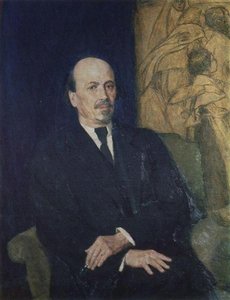
Mikhail Nesterov
1862 - 1942 , Russia
Quick Facts
- Artistic Movement Or Style: Symbolism, Religious art
- Artists Or Movements Influenced By This Artist: Russian Symbolists
- Artists Who Influenced This Artist:
- Vasily Perov
- Alexei Savrasov
- Date Of Birth: May 31, 1862
- Date Of Death: October 18, 1942
- Full Name: Mikhail Vasilyevich Nesterov
- Nationality: Russian
- Notable Artworks:
- The Hermit
- Pavlov
- Vision to Bartholomew
- Place Of Birth: Ufa, Russia

