 Preview
 Send
Send Share
Share
 Details

 Download
 Similars
 X-Ray
X-Ray Diaporama
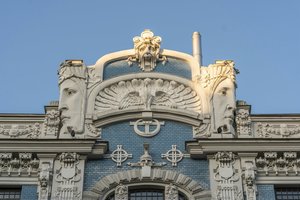
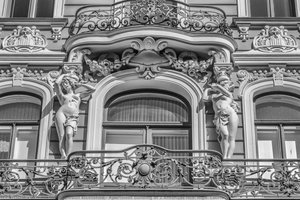
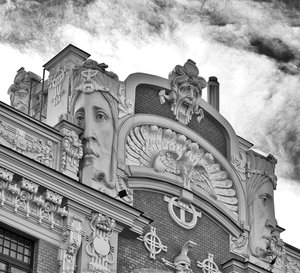
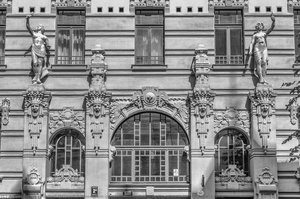
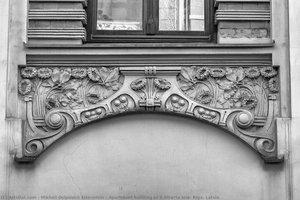
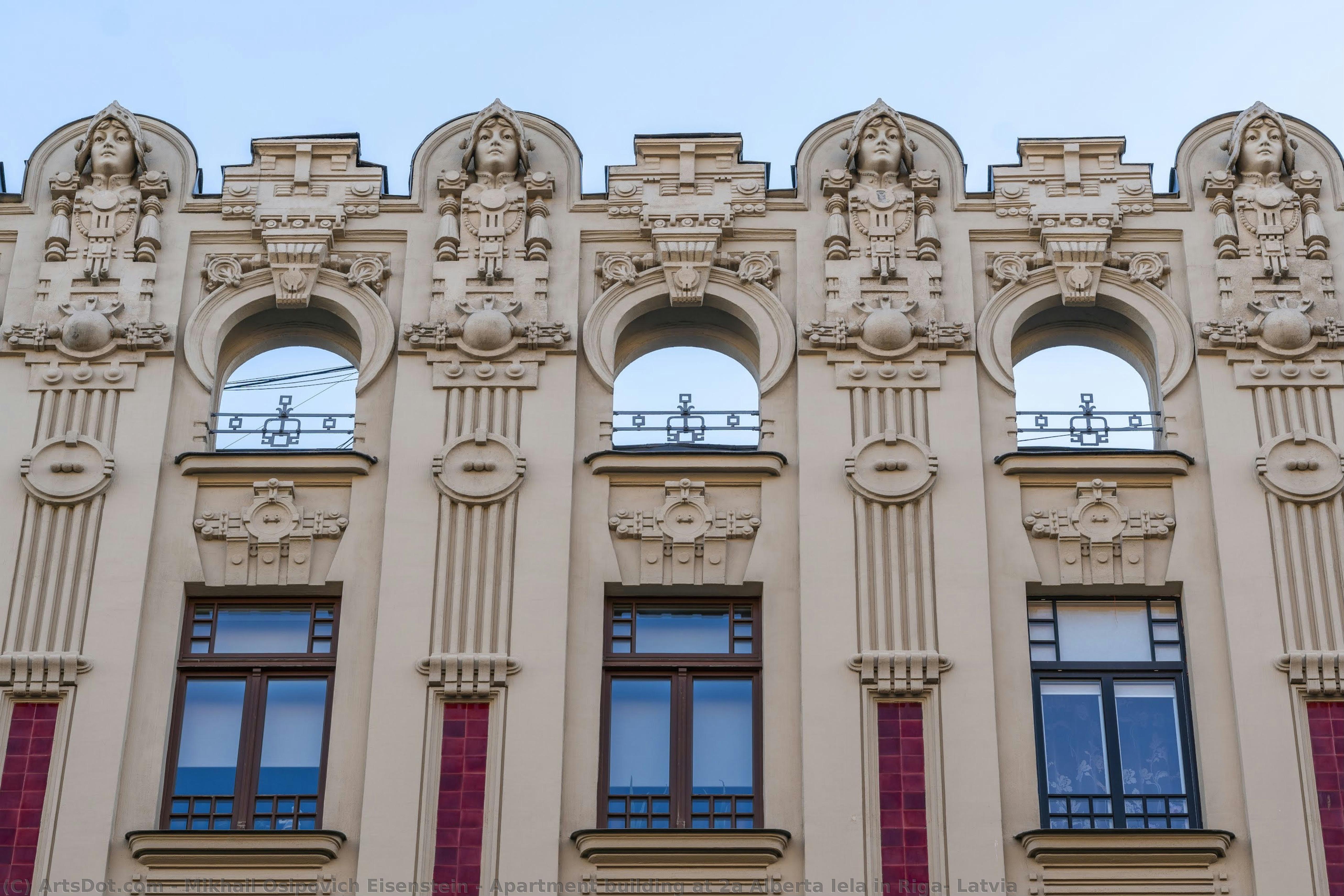
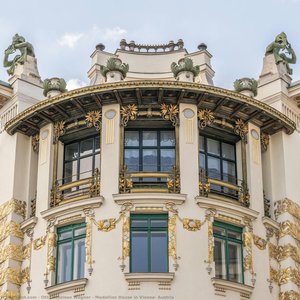
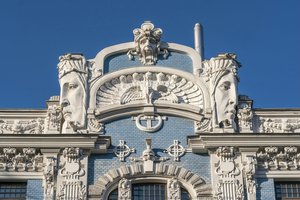
Apartment building at 2a Alberta Iela in Riga, Latvia

 Read More
Hand Made Oil Reproduction
Hand-painted oil on canvas in your size and frame, made to order by our artists. ( Buy Print Buy Image)




































Pick from our preset sizes that match the artwork's original proportions.

You may enter your own dimensions to fit a specific frame or space. If your selected size does not match the original image's proportions, we will either crop the artwork or extend the painting with additional hand-painted elements. A digital mockup will be sent for your approval before production begins.
Please note that the on-screen preview does not reflect the actual cropping or extension. Only the mockup will accurately show the final composition.
While custom sizes are available, we recommend selecting a dimension from the predefined list to preserve the original proportions.
After order, ArtsDot.com team will email client for instructions and provide a mockup preview
Worldwide Delivery () in 3/4 weeks instead of standard 5 weeks. (17 August). No compromise on quality.

Free Worldwide Express Shipping

High-Quality Linen Canvas

Full Shipping Insurance

Customs Tax Refund Guarantee

True Color Matching Guarantee

60-Day Return Policy (Defects Only)

100% Money-Back Guarantee

Bulk Discount Offer
 Glass option is only available in size under 110 CM

Apartment building at 2a Alberta Iela in Riga, Latvia
Reproduction Medium
Reproduction Size
-


Total Price
$ 263
Related Artworks

Artist Biography
A Pioneer of Riga’s Art Nouveau: The Life and Legacy of Mikhail Eisenstein
Mikhail Osipovich Eisenstein, born Moisey Eisenstein on September 5th, 1867, in the small town of Bila Tserkva within the Kiev Governorate of the Russian Empire (present-day Ukraine), was a figure whose life embodied a fascinating intersection of cultural shifts and artistic blossoming. Though initially rooted in a Jewish merchant family, his journey led him to embrace Orthodox Christianity and ultimately, to become one of the most influential architects shaping the face of Riga during its period of rapid expansion. Eisenstein’s story is not merely that of an architect; it's a narrative woven with threads of personal transformation, societal upheaval, and a profound dedication to aesthetic innovation.
His early life provided little indication of the artistic path he would forge. After completing secondary education in Kiev, Eisenstein pursued studies at the Saint Petersburg Institute of Civil Engineering, graduating in 1893. This formal training laid the groundwork for his future career, but it was his relocation to Riga shortly thereafter that truly ignited his passion for architecture. Initially employed within the Baltic State Property Administration and later heading the Traffic Road Department, Eisenstein’s professional life initially centered on practical engineering concerns. However, the vibrant atmosphere of Riga—a city undergoing significant economic growth and cultural change—soon drew him into the burgeoning world of architectural design.
The Flourishing Years in Riga: A Symphony of Stone and Ornament
The years between 1897 and 1911 represent the apex of Eisenstein’s creative output. During this period, he designed at least nineteen residential buildings in central Riga, each a testament to his evolving style and mastery of Art Nouveau principles. These were not simply structures; they were statements—expressions of an era characterized by optimism, elegance, and a desire to break from the rigid conventions of the past. Eisenstein’s designs weren't confined to a single interpretation of Art Nouveau; rather, he skillfully blended elements from Roman, Renaissance, and Baroque traditions with exuberant sculptural details that became his signature.
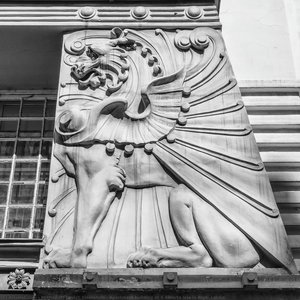
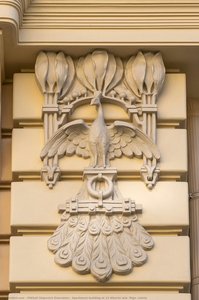
Walking through Riga today, one can still encounter the legacy of Eisenstein’s vision in the Quiet Centre district. Buildings like those on Alberta Iela—number 4, adorned with striking Medusa heads and a delicate metal cornice; number 8, featuring majestic lion motifs and tree-like projections; and Elizabetes iela 10b, lavishly decorated with blue ceramic tiles, peacocks, and grotesque masks—stand as enduring examples of his artistry. These structures weren’t merely aesthetically pleasing; they were meticulously crafted spaces designed to enhance the lives of their inhabitants. The use of vibrant colors, intricate plasterwork, and carefully chosen materials created an atmosphere of luxury and sophistication.
Personal Life and Shifting Allegiances
Eisenstein's personal life was as complex as his architectural designs. His marriage in 1897 to Yulia Ivanovna Konetskaya, a woman from a prosperous Saint Petersburg family, brought him into the upper echelons of Riga society. The couple established a comfortable home and actively participated in the city’s social scene. In 1898, they welcomed their only son, Sergei Eisenstein, who would later achieve international renown as a pioneering Soviet filmmaker. However, the marriage ultimately dissolved in 1909 due to “differences in temperament,” compounded by Yulia's infidelity. This separation marked a turning point in Eisenstein’s life, leading to a period of introspection and a shift in his artistic focus.
The tumultuous events of the Russian Revolution further complicated Eisenstein’s trajectory. Initially aligning with the “Whites” as an engineer in 1918, he found himself on opposing sides from his own son, who passionately embraced the Bolshevik cause. This ideological rift led to a painful estrangement between father and son. Following the conclusion of the Russian Civil War, Eisenstein emigrated to Berlin in 1920, seeking refuge from the political upheaval that had engulfed his homeland.
Final Years and Enduring Significance
Eisenstein’s final years were marked by a sense of displacement and loss. He died in Berlin in 1920 at the age of 53, succumbing to a heart attack. Though his life ended prematurely, his architectural legacy continued to resonate throughout Riga and beyond. His buildings remain iconic landmarks, attracting visitors from around the world who marvel at their beauty and intricate details.
Mikhail Eisenstein’s significance extends beyond his individual creations. He was a key figure in shaping the distinctive character of Riga's Art Nouveau architecture, leaving an indelible mark on the city’s cultural landscape. His work embodies a unique blend of historical influences, artistic innovation, and a deep appreciation for craftsmanship. Moreover, as the father of Sergei Eisenstein, he played a role—albeit complex—in the life of one of cinema’s most influential directors. While his personal life was often fraught with challenges, his architectural achievements stand as a testament to his enduring talent and vision.
mikhail osipovich eisenstein
1867 - 1920 , Russia
Quick Facts
- Artistic Movement Or Style: Art Nouveau
- Artists Or Movements Influenced By This Artist: ['Sergei Eisenstein']
- Date Of Birth: September 5, 1867
- Date Of Death: July 2, 1920
- Full Name: Mikhail Osipovich Eisenstein
- Nationality: Russian
- Notable Artworks:
- Apartment building at Alberta Iela 4
- Apartment building at Alberta Iela 8
- Apartment building at Elizabetes iela 10b
- Place Of Birth: Bila Tserkva, Russia