 Preview
 Send
Send Share
Share
 Details

 Download
 Similars
 X-Ray
X-Ray Diaporama
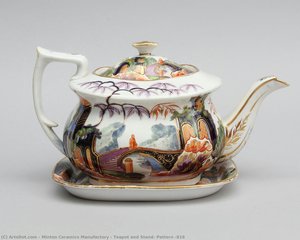
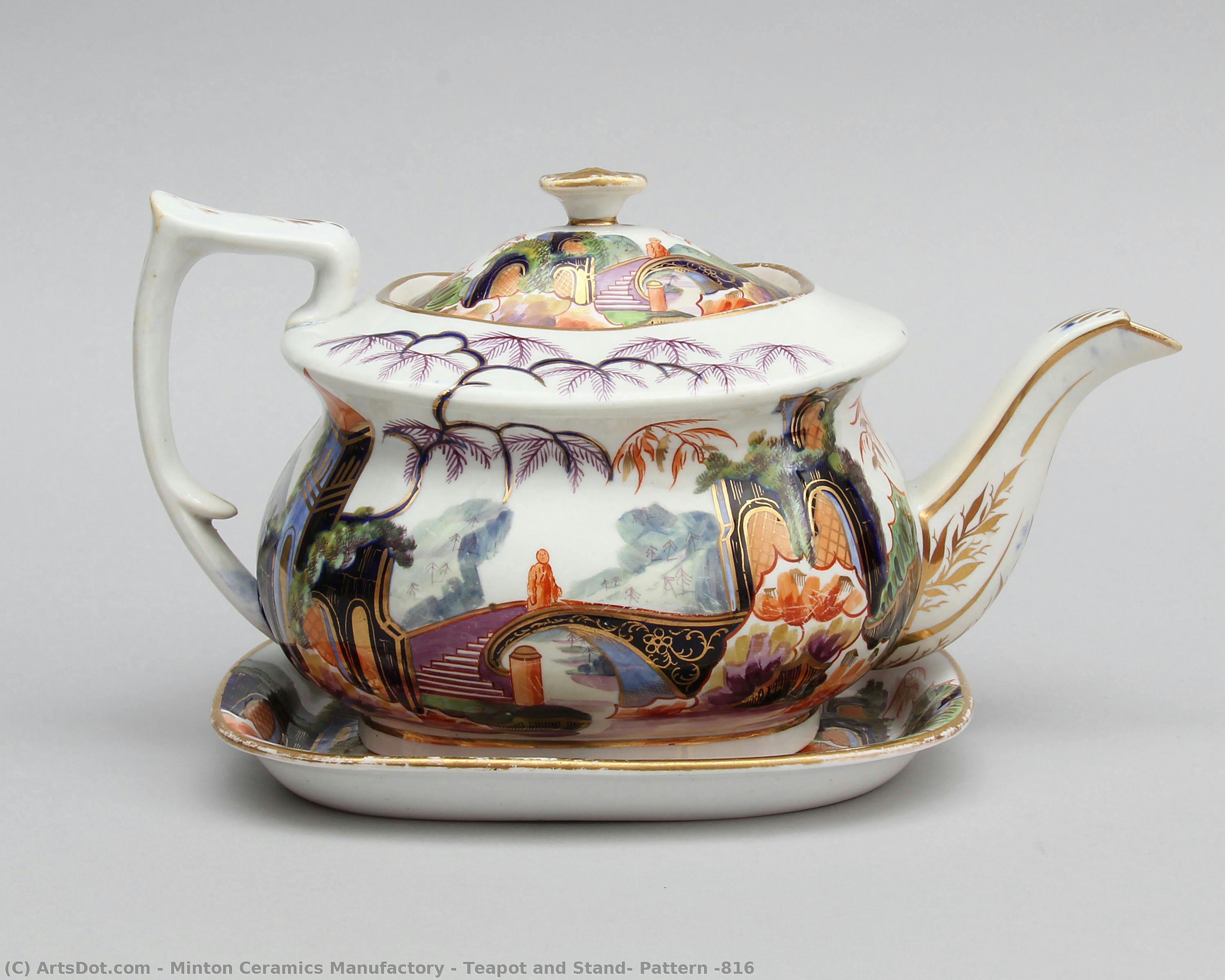
Teapot and Stand, Pattern #816
 1815
1815 14.0 x 14.0 cm
 Gardiner Museum of Ceramic Art
 Read More
Hand Made Oil Reproduction
Hand-painted oil on canvas in your size and frame, made to order by our artists. ( Buy Print Buy Image)




































Pick from our preset sizes that match the artwork's original proportions.

You may enter your own dimensions to fit a specific frame or space. If your selected size does not match the original image's proportions, we will either crop the artwork or extend the painting with additional hand-painted elements. A digital mockup will be sent for your approval before production begins.
Please note that the on-screen preview does not reflect the actual cropping or extension. Only the mockup will accurately show the final composition.
While custom sizes are available, we recommend selecting a dimension from the predefined list to preserve the original proportions.
After order, ArtsDot.com team will email client for instructions and provide a mockup preview
Worldwide Delivery () in 3/4 weeks instead of standard 5 weeks. (21 August). No compromise on quality.

Free Worldwide Express Shipping

High-Quality Linen Canvas

Full Shipping Insurance

Customs Tax Refund Guarantee

True Color Matching Guarantee

60-Day Return Policy (Defects Only)

100% Money-Back Guarantee

Bulk Discount Offer
 Glass option is only available in size under 110 CM

Teapot and Stand, Pattern #816
Reproduction Medium
Reproduction Size
-


Total Price
$ 263
Related Artworks





Artist Biography
Minton Ceramics Manufactory: A Legacy of Victorian Elegance
Minton Ceramics Manufactory stands as a monumental figure in the annals of British ceramic art, embodying the grandeur and innovation of the Victorian era. Founded in Stoke-on-Trent, England, in 1793 by Thomas Minton and Joseph Poulson, it swiftly ascended to become Europe’s foremost ceramic factory—a testament to entrepreneurial vision and artistic ambition. More than just a pottery company, Minton represented a cultural force shaping decorative arts and influencing the tastes of royalty and aristocracy alike.- Early Beginnings & Founding Principles: The genesis of Minton stemmed from a desire to produce high-quality earthenware tableware—a response to burgeoning demand for refined domestic furnishings. Minton’s meticulous attention to detail, coupled with Poulson's expertise in glazing techniques, established the cornerstone of the company’s enduring success. Their initial focus was on producing durable stoneware and porcelain, prioritizing functionality alongside aesthetic appeal.
- Victorian Dominance & Artistic Flourishing: By the mid-19th century, Minton had firmly cemented its position at the apex of ceramic production. This period witnessed an explosion of creativity, fueled by advancements in kiln technology and a burgeoning fascination with classical motifs and decorative embellishments. Designers like William Marshall Fry embraced neoclassical influences, crafting breathtaking vases and tableware adorned with garlands of laurel and depictions of mythological figures—a deliberate echo of Roman imperial grandeur.
- Innovation & Diverse Styles: Minton’s legacy extends far beyond Victorian aesthetics. The company pioneered techniques in various ceramic styles, including majolica (glazed enamelware), palissy ware (fired clay sculpture), and Della Robbia ware (slip-decorated terracotta). Furthermore, Minton embraced the avant-garde currents of Art Nouveau and Secessionist movements, collaborating with artists like René Lalique and Gustav Klimt to produce stunningly imaginative pieces that pushed boundaries of artistic expression.
- Notable Achievements & Patronage: Minton’s influence permeated British society. Its tableware graced the tables of monarchs such as Queen Victoria and Prince Albert, symbolizing imperial prestige and demonstrating unparalleled craftsmanship. The company's contributions to architectural ceramics—particularly its mosaics adorning St Paul’s Cathedral—remain iconic landmarks of Victorian grandeur.
- A Continuing Tradition: Though family control waned in the mid-20th century, Minton Ceramics Manufactory perseveres today as a respected producer of fine china and decorative ceramics. Its enduring reputation rests upon its unwavering commitment to artistic excellence—a tradition rooted in the pioneering spirit of Thomas Minton and Joseph Poulson and continuing to inspire contemporary ceramic artists.
minton ceramics manufactory
United Kingdom
Quick Facts
- Artistic Movement Or Style: Victorian Era Ceramics
- Artists Or Movements Influenced By This Artist: ['Arts and Crafts Movement']
- Artists Who Influenced This Artist: ['Wedgwood']
- Date Of Birth: Stoke-on-Trent, United Kingdom ()
- Date Of Death: Living
- Full Name: Thomas Minton & Joseph Poulson
- Nationality: British
- Notable Artworks:
- Sugar bowl,
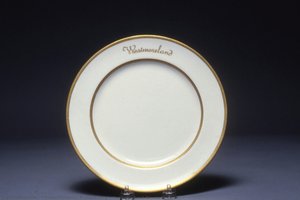
- Westmoreland Dinner Service
- Place Of Birth: Stoke-on-Trent