 Preview
 Send
Send Share
Share
 Details

 Download
 Similars
 X-Ray
X-Ray Diaporama
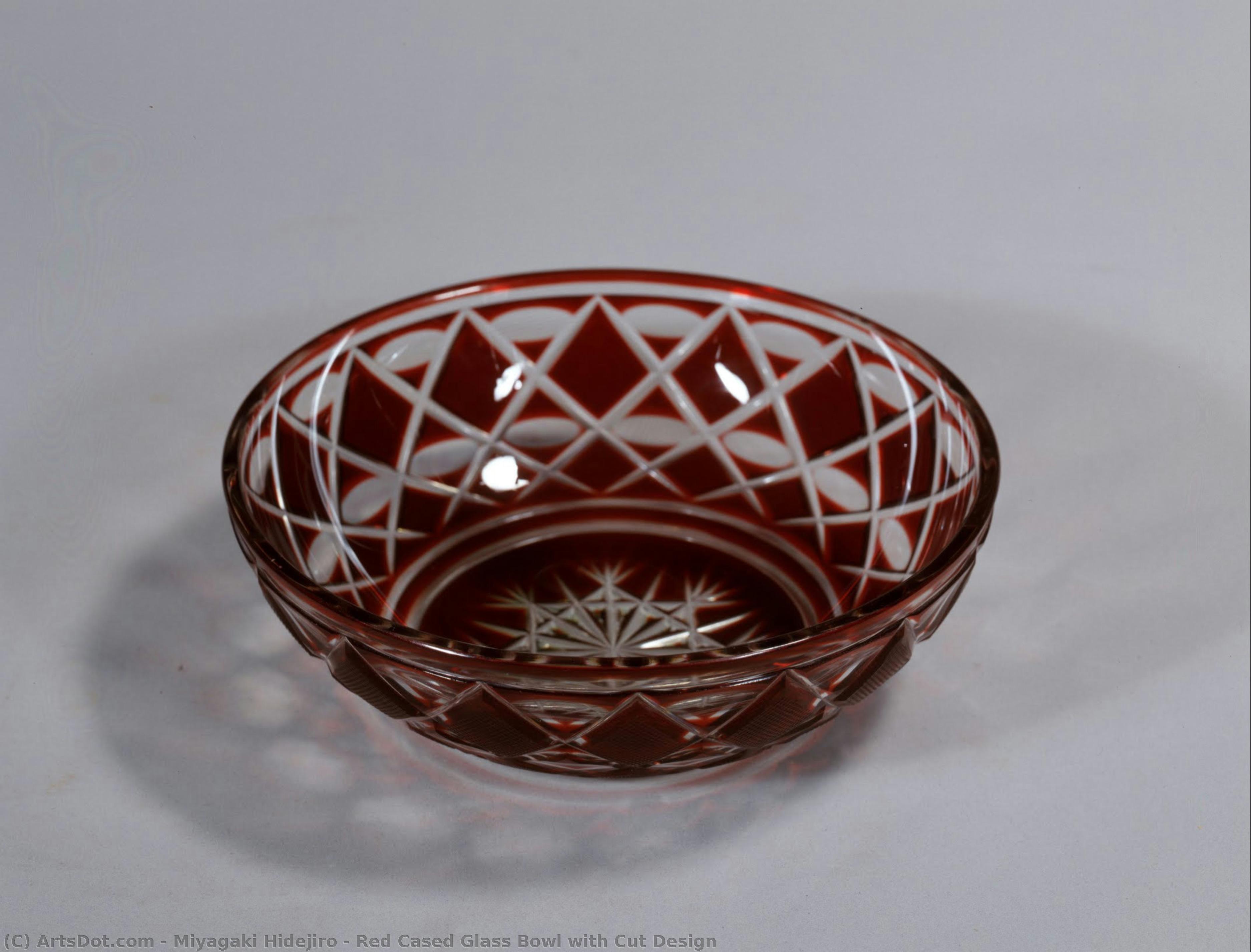
Red Cased Glass Bowl with Cut Design
 1881
1881 19.0 x 6.0 cm
 Read More
Hand Made Oil Reproduction
Hand-painted oil on canvas in your size and frame, made to order by our artists. ( Buy Print Buy Image)




































Pick from our preset sizes that match the artwork's original proportions.

You may enter your own dimensions to fit a specific frame or space. If your selected size does not match the original image's proportions, we will either crop the artwork or extend the painting with additional hand-painted elements. A digital mockup will be sent for your approval before production begins.
Please note that the on-screen preview does not reflect the actual cropping or extension. Only the mockup will accurately show the final composition.
While custom sizes are available, we recommend selecting a dimension from the predefined list to preserve the original proportions.
After order, ArtsDot.com team will email client for instructions and provide a mockup preview
Worldwide Delivery () in 3/4 weeks instead of standard 5 weeks. (22 August). No compromise on quality.

Free Worldwide Express Shipping

High-Quality Linen Canvas

Full Shipping Insurance

Customs Tax Refund Guarantee

True Color Matching Guarantee

60-Day Return Policy (Defects Only)

100% Money-Back Guarantee

Bulk Discount Offer
 Glass option is only available in size under 110 CM

Red Cased Glass Bowl with Cut Design
Reproduction Medium
Reproduction Size
-


Total Price
$ 263
Related Artworks








Artist Biography
Pierre-Auguste Renoir: A Celebration of Light and Life
Pierre-Auguste Renoir, born in Limoges on February 25th, 1841, stands as one of the most beloved figures of the Impressionist movement. His life was a vibrant tapestry woven with artistic passion, personal relationships, and a relentless pursuit of capturing the ephemeral beauty of everyday moments. From his humble beginnings apprenticed to a porcelain painter to his eventual recognition as a leading artist, Renoir’s journey reflects both the challenges and triumphs inherent in forging a path as an independent creative voice. He died peacefully on December 3rd, 1919, leaving behind a legacy of luminous paintings that continue to enchant viewers worldwide.Early Years and Artistic Foundations
Renoir’s early life was marked by a strong familial connection to the arts. His father, a tailor, and his uncle, a goldsmith, instilled in him an appreciation for craftsmanship and design. This foundation led Renoir to initially pursue a career as a decorative painter, working on theatrical sets and murals – a profession that provided valuable experience with color and composition. However, it was through the influence of fellow artist Auguste-Prosper Lepère that Renoir discovered his true calling: painting. Lepère introduced him to the burgeoning circle of artists experimenting with new techniques, particularly the work of Gustave Courbet, whose emphasis on capturing natural light and direct observation profoundly impacted Renoir’s artistic sensibilities. Crucially, he met Claude Monet in 1869, a meeting that would prove pivotal in shaping his artistic development and ultimately lead to their shared commitment to Impressionism. Early works like *The Meeting* (1870) demonstrate this nascent interest in depicting social scenes with an emerging sensitivity to light and atmosphere.The Rise of Impressionism
Renoir’s artistic trajectory truly took flight during the 1870s, coinciding with the rise of Impressionism. He embraced the movement's core tenets – a focus on capturing fleeting moments, the effects of light and color, and the subjective experience of perception—rejecting the academic traditions that dominated the Salon system. He participated in all four Impressionist exhibitions (1874-1877), showcasing works like *Le Moulin de la Galette* (1876) – a joyous depiction of Parisian life bathed in dappled sunlight – and *Bathers at Asnières* (1883). These paintings, characterized by their loose brushstrokes, vibrant colors, and emphasis on capturing the atmosphere rather than precise detail, established Renoir as a key figure within the group. His style evolved throughout this period, moving away from the darker tones of Courbet towards a brighter, more optimistic palette, often depicting scenes of leisure, beauty, and female companionship.Themes and Style: A Celebration of Beauty
Renoir’s oeuvre is remarkably diverse, yet consistently characterized by a celebration of beauty in its myriad forms. He frequently depicted women – friends, lovers, and models – capturing their grace, charm, and sensuality with an affectionate gaze. Scenes of Parisian cafes, dance halls, and outdoor gatherings became recurring subjects, offering glimpses into the vibrant social life of his time. His paintings are infused with a sense of joy and pleasure, reflecting his own optimistic outlook on life. Renoir’s technique evolved over time. Initially influenced by Monet's broken brushstrokes, he developed a more refined style, employing delicate layering of color to create luminous effects. He was particularly adept at capturing the subtle nuances of light and shadow, imbuing his paintings with an almost palpable sense of atmosphere. His later works, such as *Luncheon of the Boating Party* (1880) and *Dance at Le Moulin de la Galette* (1876), exemplify this mastery, showcasing a remarkable ability to convey both visual beauty and emotional resonance.Later Years and Legacy
As he matured, Renoir’s style shifted somewhat, drawing inspiration from the classical painters of Italy – Raphael and Boucher—and incorporating elements of academic tradition. He developed a more linear approach, refining his draftsmanship and exploring new compositional techniques. Despite this evolution, he remained committed to capturing the beauty of the world around him, producing works such as *Bal du moulin de la Galette* (1876) and *The Large Bathers* (1906). Renoir’s influence on subsequent generations of artists is undeniable. His emphasis on color, light, and the depiction of everyday life paved the way for many modern painters. Today, his paintings are exhibited in major museums around the world, continuing to captivate audiences with their luminous beauty and enduring appeal. He remains a testament to the power of art to capture and celebrate the joys of human experience.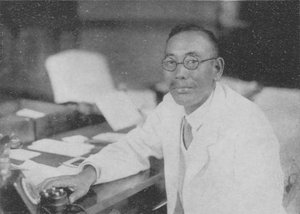
miyagaki hidejiro
1841 - 1918 , Japan
Quick Facts
- Artistic Movement Or Style: Impressionism
- Artists Or Movements Influenced By This Artist:
- Monet
- Sisley
- Artists Who Influenced This Artist:
- Courbet
- Delacroix
- Turner
- Date Of Birth: February 25, 1841
- Date Of Death: December 3, 1919
- Full Name: Pierre-Auguste Renoir
- Nationality: French
- Notable Artworks:
- Dance at Le Moulin de la Galette
- Bal du moulin de la Galette
- Luncheon of the Boating Party
- The Girls in Front of the Opera
- Bathers at Asnières
- Place Of Birth: Limoges, France