

 Preview
 Send
Send Share
Share
 Details

 Download
 Similars
 X-Ray
X-Ray Diaporama
 Stats
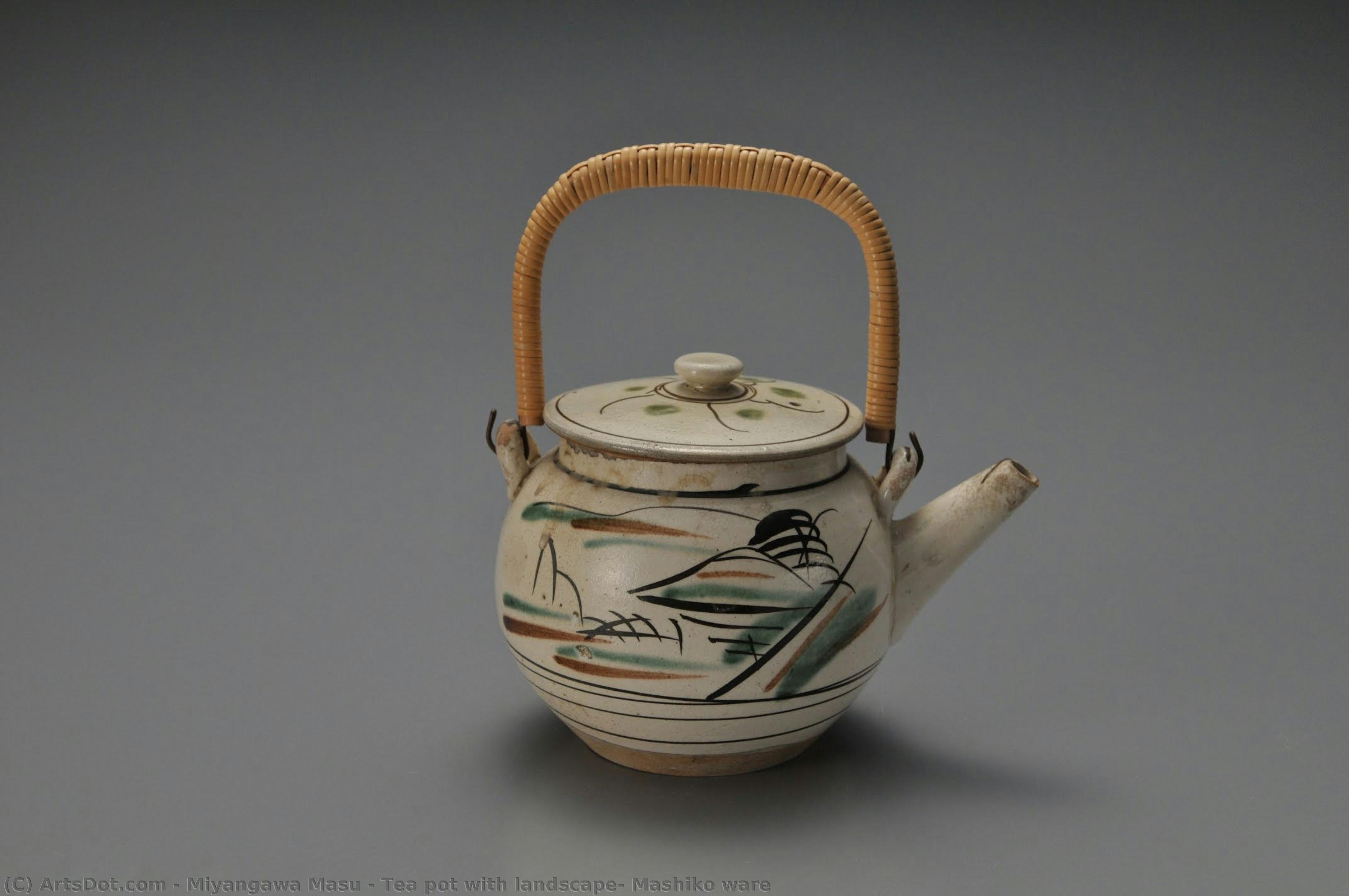
StatsTea pot with landscape, Mashiko ware

 Read More
Purchase a high-resolution, enhanced digital image, far superior to the online preview.
Each file is meticulously prepared by our in-house specialists using advanced tools and expert manual retouching. We ensure every image has exceptional clarity, precise color accuracy, and fine detail.
The final file is delivered via email within 72 hours, optimized for immediate use in professional, editorial, and print environments. This is the same quality trusted by top-tier design studios, publishers, and galleries.
Digital Image
Download a high-resolution file for personal display, printing, and creative projects. ( Switch to Print Buy Hand Made Painting)
Included in Every Digital Image Order
Expert Digital Delivery, Guaranteed
When you choose ArtsDot.com, you're not just getting an image - you're receiving a professionally enhanced digital artwork, crafted with precision and backed by a satisfaction guarantee. Here's everything that comes with your order, automatically:

Fast Email Delivery
Your high-resolution digital image file will be emailed to you within 72 hours of ordering - ready for immediate use.

AI-Enhanced Digital File
Your artwork is professionally optimized using advanced AI tools and manual editing, ensuring maximum detail, clarity, and color accuracy.

Free Lifetime Re-Delivery
Accidentally deleted or lost your file? No worries - we'll resend it to you anytime, free of charge.

No Import Fees - Ever
Enjoy your artwork instantly with zero customs, duties, or delivery fees - digital downloads are always tax-free.

Color Accuracy Guarantee
We ensure your digital image reflects the original colors as closely as possible using professional tools and color management.

100-Day Satisfaction Guarantee
If you're not satisfied with your digital image, we'll revise it or refund 100% within 100 days - no questions asked.

100% Money-Back Guarantee
Not satisfied? Get a full refund within 100 days of receiving your digital file - no questions asked.

Bulk Order Discounts
Buy 3 images, save 10% - Buy 5, save 15% - Buy 10+, save 20%. Great for creative projects, galleries, and agencies.
Related Artworks









Artist Biography
A Life Etched in Clay: The World of Miyangawa Masu
The name Miyangawa Masu, often appearing alongside that of Minagawa Masu, evokes a quiet corner of 19th-century Japan—the pottery town of Mashiko. Born in 1874, her life unfolded against the backdrop of the Meiji Restoration, a period of rapid modernization and cultural shift. While grand narratives of industrialization often dominate accounts of this era, Masu’s story offers an intimate glimpse into the enduring power of tradition and the subtle artistry that flourished within it. She wasn't a painter on canvas, but a decorator of clay, her medium the humble teapots and everyday wares that formed the fabric of Japanese life. From the tender age of ten, she began to apply underglaze paintings to pots, a skill honed through dedicated practice and an innate sensitivity to form and color. This early immersion in the craft would define her entire artistic trajectory.The Landscape of Mashiko Ware
Mashiko ware itself possesses a unique character—earthy, robust, and deeply connected to its rural origins. The clay, sourced locally, lends a warmth and texture that distinguishes it from other Japanese ceramics. Before Masu’s time, the industry had experienced periods of hardship, but the late 19th century saw a renewed interest in local craftsmanship. It was within this revitalized environment that Masu began to develop her signature style: delicate landscape paintings adorning teapots and other vessels. These weren't merely decorative flourishes; they were miniature worlds rendered with remarkable precision and poetic sensibility. Her scenes, often depicting mountains, trees, and water, reflected the natural beauty surrounding Mashiko—a testament to her keen observation of the environment. The popularity of *sansui dobin*, or landscape teapots, soared during this period, and Masu quickly became recognized for her exceptional skill in executing these designs. She could reportedly paint between 500 and 1000 pots in a single day, demonstrating not only technical proficiency but also an extraordinary capacity for artistic repetition without sacrificing quality.Influences and Artistic Development
While specific details about Masu’s direct influences remain scarce, it's clear that her work resonated with the aesthetic principles of the *Mingei* movement—a Japanese folk craft movement that celebrated the beauty of everyday objects created by anonymous artisans. The emphasis on natural materials, handwork, and functional design aligns perfectly with Masu’s approach to pottery decoration. Her paintings weren’t about ostentation or elaborate technique; they were about enhancing the inherent qualities of the clay and creating objects that were both beautiful and useful. The simplicity and directness of her landscapes also suggest a connection to traditional Japanese ink painting (*sumi-e*), though adapted for the ceramic surface. The use of underglaze techniques, where pigments are applied beneath a transparent glaze, allowed for subtle gradations of color and a sense of depth that further enhanced the naturalistic quality of her scenes.Legacy and Historical Significance
Miyangawa Masu passed away in 1960, leaving behind a body of work that continues to captivate collectors and art enthusiasts today. Her teapots are not merely historical artifacts; they are tangible expressions of a bygone era—a testament to the skill and dedication of a woman who found beauty in the everyday. She represents a vital link between traditional Japanese craftsmanship and the burgeoning appreciation for folk art that emerged in the 20th century. Masu’s contribution lies not in groundbreaking innovation, but in her mastery of existing techniques and her ability to imbue humble objects with poetic grace. Her work serves as a reminder that artistry can be found in unexpected places—in the hands of an anonymous decorator transforming ordinary teapots into miniature landscapes, each one a quiet celebration of nature and the enduring power of human creativity.Key Aspects of Masu’s Work
- Medium: Underglaze painting on Mashiko ware pottery.
- Style: Delicate landscape paintings, often depicting mountains, trees, and water.
- Period: Meiji era (1868-1912).
- Notable Characteristic: Exceptional skill in painting *sansui dobin* (landscape teapots).
- Influence: The *Mingei* movement and traditional Japanese ink painting.

miyangawa masu
1874 - 1960 , Japan
Quick Facts
- Artistic Movement Or Style: Meiji era ceramics
- Date Of Birth: 1874
- Date Of Death: 1960
- Full Name: miyangawa masu / minagawa masu
- Nationality: Japanese
- Notable Artworks: ['Tea pot with landscape, Mashiko ware']
- Place Of Birth: Mashiko, Japan