 Preview
 Send
Send Share
Share
 Details

 Download
 Similars
 X-Ray
X-Ray Diaporama
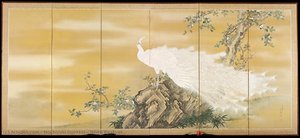
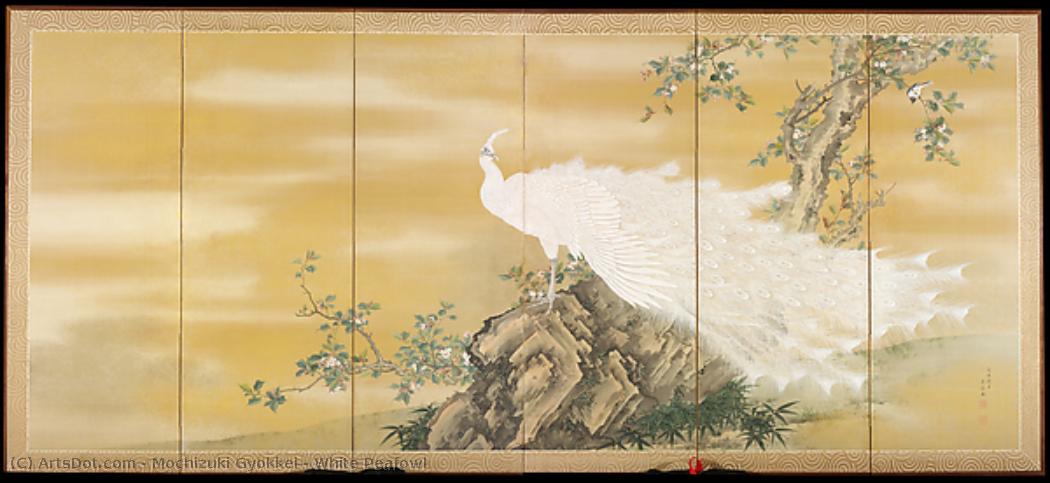
White Peafowl
 1908
1908 151.0 x 358.0 cm
 Read More
Hand Made Oil Reproduction
Hand-painted oil on canvas in your size and frame, made to order by our artists. ( Buy Print Buy Image)




































Pick from our preset sizes that match the artwork's original proportions.

You may enter your own dimensions to fit a specific frame or space. If your selected size does not match the original image's proportions, we will either crop the artwork or extend the painting with additional hand-painted elements. A digital mockup will be sent for your approval before production begins.
Please note that the on-screen preview does not reflect the actual cropping or extension. Only the mockup will accurately show the final composition.
While custom sizes are available, we recommend selecting a dimension from the predefined list to preserve the original proportions.
After order, ArtsDot.com team will email client for instructions and provide a mockup preview
Worldwide Delivery () in 3/4 weeks instead of standard 5 weeks. (20 August). No compromise on quality.

Free Worldwide Express Shipping

High-Quality Linen Canvas

Full Shipping Insurance

Customs Tax Refund Guarantee

True Color Matching Guarantee

60-Day Return Policy (Defects Only)

100% Money-Back Guarantee

Bulk Discount Offer
 Glass option is only available in size under 110 CM

White Peafowl
Reproduction Medium
Reproduction Size
-


Total Price
$ 263
Artwork Description
Related Artworks
Artist Biography
Mochizuki Gyokkei (1874–1938): A Master of Rinpa and Nihonga Harmony
Mochizuki Gyokkei was a Japanese artist born in Kyoto in 1874 and died in 1938. He stood as a pivotal figure within the Rinpa school, alongside his father Mochizuki Gyokusen (望月玉泉), marking the fourth generation of their esteemed family studio. This lineage traced its roots back to Gyokusen’s great-grandfather, Mochizuki Gyokusen (1692–1755), who established a unique artistic tradition that skillfully blended elements of Chinese painting—specifically the Kishi school—with innovative approaches gleaned from Western techniques. His formative years were steeped in rigorous training within this family style, honing his mastery of brushwork and establishing him as a descendant of a celebrated artistic lineage.- Early Life & Training: Gyokkei’s upbringing fostered an appreciation for art from childhood, shaping his lifelong dedication to mastering traditional Japanese painting methods.
- Influence of Rinpa School: He embraced the Rinpa school's core tenets—bold colors and gold leaf—creating intricate designs that celebrated beauty and conveying profound symbolic meanings.
- Engagement with Nihonga Style: Recognizing the evolving artistic landscape, Gyokkei skillfully integrated Western influences into his Nihonga practice, mirroring a broader movement aimed at harmonizing tradition and innovation.
Artistic Style & Technique
Gyokkei’s paintings were characterized by exceptional detail and luminous color palettes—a hallmark of Rinpa aesthetics. He skillfully employed mineral pigments alongside gold leaf, achieving textures that captivated the eye and conveying a sense of ethereal grandeur. Recurring motifs included birds and flowers, meticulously arranged in patterns reflecting Japanese artistic conventions and imbued with symbolic resonance. His approach mirrored the Bunjinga movement’s emphasis on individual expression and personal interpretation, prioritizing emotional depth over mere technical proficiency. Gyokkei's meticulous brushwork and masterful use of color solidified his reputation as a virtuoso within the Rinpa tradition.Notable Works & Recurring Themes
Among Gyokkei’s celebrated creations is “White Peafowl,” a stunning depiction capturing the bird’s majestic plumage against a backdrop of shimmering gold leaf—a technique emblematic of Rinpa's opulent visual language. This artwork exemplifies his ability to distill complex symbolism into visually arresting compositions, reflecting themes of nobility and transformation central to Japanese artistic thought. Furthermore, his “Kashima Arts” folding screens showcase his masterful command of perspective and spatial arrangement, presenting pine trees as symbols of longevity and resilience—a motif deeply rooted in East Asian iconography.Legacy & Recognition
Gyokkei’s influence extended beyond his immediate contemporaries, inspiring subsequent generations of artists who continued to honor his artistic heritage. His work resides prominently within museums such as the Forest Lawn Museum in Glendale, California, ensuring that his contributions to Japanese art endure for posterity. He served as a teacher and mentor, nurturing talent and fostering a vibrant artistic community dedicated to preserving the traditions of Rinpa and Nihonga—solidifying his place as one of Japan’s most revered painters.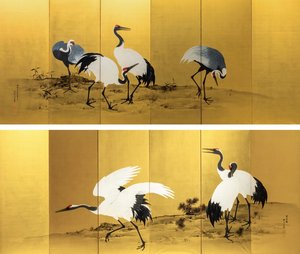
Mochizuki Gyokkei
1853 - 1928 , Japan
Quick Facts
- Artistic Movement Or Style: Rinpa & Nihonga
- Artists Or Movements Influenced By This Artist: ['Shen Nanping']
- Artists Who Influenced This Artist: ['']
- Date Of Birth: Kyoto, Japan (1853)
- Date Of Death: 1928
- Full Name: mochizuki gyokkei
- Nationality: Japanese
- Notable Artworks: ['White Peafowl']
- Place Of Birth: Kyoto