

 Preview
 Send
Send Share
Share
 Details

 Download
 Similars
 X-Ray
X-Ray Diaporama
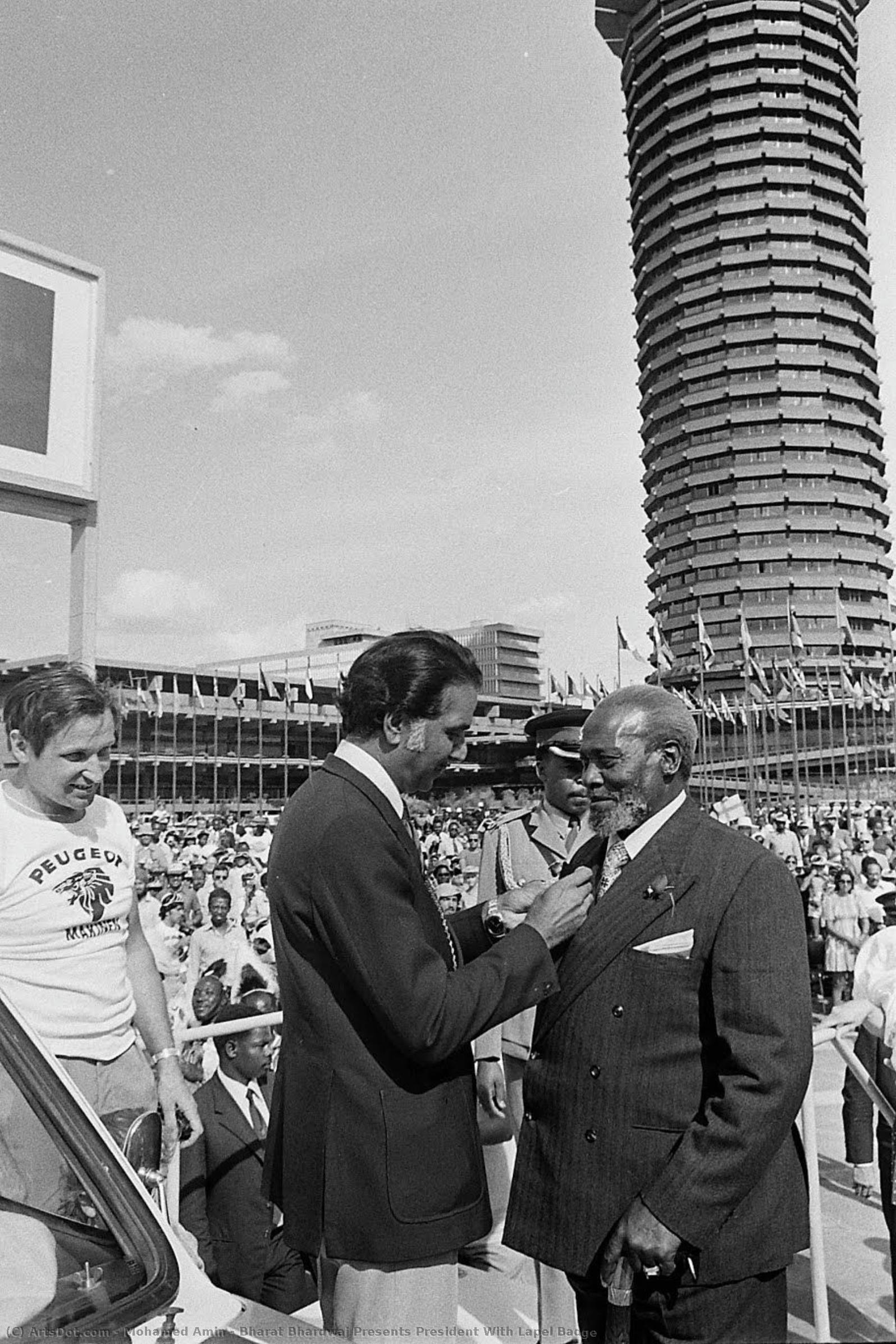
Bharat Bhardwaj Presents President With Lapel Badge


 Read More
Purchase a high-resolution, enhanced digital image, far superior to the online preview.
Each file is meticulously prepared by our in-house specialists using advanced tools and expert manual retouching. We ensure every image has exceptional clarity, precise color accuracy, and fine detail.
The final file is delivered via email within 72 hours, optimized for immediate use in professional, editorial, and print environments. This is the same quality trusted by top-tier design studios, publishers, and galleries.
Digital Image
Download a high-resolution file for personal display, printing, and creative projects. ( Buy Print Buy Hand Made Painting)
Included in Every Digital Image Order
Expert Digital Delivery, Guaranteed
When you choose ArtsDot.com, you're not just getting an image - you're receiving a professionally enhanced digital artwork, crafted with precision and backed by a satisfaction guarantee. Here's everything that comes with your order, automatically:

Fast Email Delivery
Your high-resolution digital image file will be emailed to you within 72 hours of ordering - ready for immediate use.

AI-Enhanced Digital File
Your artwork is professionally optimized using advanced AI tools and manual editing, ensuring maximum detail, clarity, and color accuracy.

Free Lifetime Re-Delivery
Accidentally deleted or lost your file? No worries - we'll resend it to you anytime, free of charge.

No Import Fees - Ever
Enjoy your artwork instantly with zero customs, duties, or delivery fees - digital downloads are always tax-free.

Color Accuracy Guarantee
We ensure your digital image reflects the original colors as closely as possible using professional tools and color management.

60-Day Satisfaction Guarantee
If you're not satisfied with your digital image, we'll revise it or refund 100% within 60 days - no questions asked.

100% Money-Back Guarantee
Not satisfied? Get a full refund within 60 days of receiving your digital file - no questions asked.

Bulk Order Discounts
Buy 3 images, save 10% - Buy 5, save 15% - Buy 10+, save 20%. Great for creative projects, galleries, and agencies.
Collectible Description
A Moment of Recognition: Bharat Bhardwaj Captures a Kenyan Legacy
Mohamed Amin’s photograph, “Bharat Bhardwaj Presents President With Lapel Badge,” isn't merely a snapshot; it’s a crystallized moment of diplomacy and shared history. Captured during the 1975 East African Safari Rally, this black-and-white image transports us to the Kenyatta International Conference Centre (KICC) in Nairobi, Kenya – a pivotal location for both national identity and international engagement. The scene unfolds with quiet dignity: Bharat Bhardwaj, a prominent Indian journalist, extends his hand to present a lapel badge to the then President of Kenya, Daniel arap Moi. The composition is remarkably balanced, drawing our eye immediately to the handshake itself, a gesture laden with respect and acknowledgement. Behind them, the imposing silhouette of the KICC rises – a symbol of Kenyan ambition and modernization during this era, its height subtly anchoring the scene within the nation’s evolving narrative.
- Historical Context: The 1975 Safari Rally was more than just a motorsport event; it represented Kenya's burgeoning role on the world stage. The rally, a grueling test of endurance for drivers and vehicles alike, became a showcase for the country’s natural beauty and its growing economic influence.
- Mohamed Amin: The photograph is a testament to Mohamed Amin’s extraordinary career as an African photojournalist. He was renowned for his unflinching documentation of pivotal moments in African history – from wars and coups to humanitarian crises, always striving to capture the truth with sensitivity and integrity.
The Language of Light and Shadow: Technical Details
Amin’s technical mastery is evident in every detail. The image is rendered entirely in monochrome, a deliberate choice that amplifies the drama and emphasizes the textures of clothing, faces, and the surrounding architecture. The lighting is diffused and even, suggesting an overcast day or perhaps the controlled illumination of an indoor setting – a characteristic often found in news photography where clarity and legibility are paramount. The tonal range is remarkably broad, creating a sense of depth and volume that draws us into the scene. Notice how the details on the faces of the men are subtly rendered, while the background fades slightly, directing our focus to the central action.
- Technique: The photograph likely originated from film, meticulously developed in a darkroom to achieve this rich monochrome palette.
- Perspective: The elevated perspective offers a comprehensive view of the event, providing context and scale without feeling overly staged. It’s a candid moment captured with a keen eye for composition.
Symbolism and Emotional Resonance
Beyond the simple act of presenting a badge, this photograph speaks volumes about diplomacy, trust, and cultural exchange. The handshake itself is a powerful symbol – an agreement, a recognition of shared values, or perhaps simply a gesture of goodwill. The presence of Bharat Bhardwaj, representing India’s engagement with Kenya, underscores the interconnectedness of nations during this period. The photograph evokes a sense of quiet dignity and professionalism, reflecting Amin's commitment to capturing authentic moments of human interaction. It’s a reminder that even seemingly small gestures can hold significant meaning within the broader context of history.
A Legacy Preserved: ArtsDot.com Reproductions
ArtsDot.com is proud to offer high-quality, hand-painted reproductions of Mohamed Amin's “Bharat Bhardwaj Presents President With Lapel Badge.” These meticulously crafted prints capture the essence of the original photograph – its tonal richness, textural detail, and emotional depth – while ensuring archival quality for generations to come. Whether you’re seeking a striking addition to your home or office décor, or simply appreciate the artistry of this iconic image, our reproductions provide an authentic connection to a pivotal moment in Kenyan history. Explore our collection today and bring this powerful photograph into your space.
Related Artworks
Artist Biography
The Eye of a Continent: The Legacy of Mohamed Amin
In the vast, shifting tapestry of twentieth-century African history, few figures captured the raw, unvarnished pulse of the continent quite like Mohamed Amin. Born in 1943 in Eastleigh, Nairobi, Amin was more than a mere observer; he was a visual chronicler whose lens pierced through the veil of distance to bring the profound realities of African life into the global consciousness. Growing up within the vibrant Kenyan Punjab heritage, his early fascination with the power of the image laid the groundwork for a career defined by an almost relentless pursuit of truth. His journey was not merely one of professional ascent but a lifelong mission to ensure that the stories of his people—ranging from the triumphs of independence to the harrowing depths of humanitarian catastrophe—were witnessed by the world.
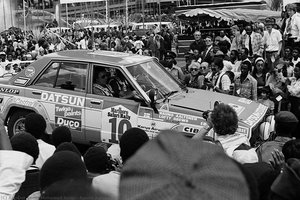
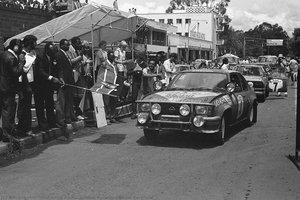
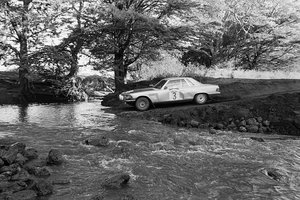
The foundation of his legendary status was built upon the grit and determination of his early entrepreneurial spirit. In 1963, Amin established the Camerapix Company in Dar es Salaam, Tanzania, a venture that would become a cornerstone of African media. This was not simply a business; it was a sanctuary for journalistic integrity. Through Camerapix, Amin cultivated a crew of dedicated professionals, often working under grueling conditions to deliver news with unprecedented speed and accuracy. His work during the East African Safari Rally remains a testament to his versatility. Whether capturing the high-octane adrenaline of a Mercedes-Benz 450SLC navigating treacherous terrain or the dust-choked chaos of a motorsport crash, Amin possessed an uncanny ability to find beauty within the turbulence, blending the technical precision of sports photography with a deep, documentary soul.
A Catalyst for Global Conscience
While his mastery of movement and light earned him acclaim in the realm of action, it was Amin’s courage in the face of tragedy that cemented his historical significance. The 1984 Ethiopian famine stands as perhaps the most poignant chapter of his career. Collaborating with the BBC, Amin’s unflinching documentation of the crisis did more than report news; it ignited a global movement. His images, characterized by their profound emotional depth and a rejection of staged artifice, became the visual heartbeat of the Live Aid era. By presenting the suffering of millions through candid, hauntingly beautiful black-and-white compositions, he bridged the gap between distant tragedy and international empathy, proving that a single photograph could mobilize the conscience of the planet.
His photographic style was a deliberate departure from the polished, often sanitized imagery of traditional news media. Amin favored the immediacy of the moment, utilizing the dramatic tonal ranges of black-and-white film to illuminate the textures of human struggle and resilience. There was no room for artifice in his work; he sought the raw, the grainy, and the authentic. This commitment to truth extended even to his most dangerous assignments, including his coverage of the regime of Idi Amin. He moved through conflict zones with the instincts of a warrior, driven by a need to capture the spirit of postcolonial Africa as it was being forged in real-time.
An Eternal Flame: The Enduring Impact
The life of Mohamed Amin was tragically cut short in 1996, during a moment of profound bravery. While negotiating with terrorists who had hijacked an Ethiopian Airlines flight, he lost his life in the crash into the Indian Ocean. Even in death, his commitment to the narrative of Africa remained absolute. Today, his legacy is preserved not just in the millions of archival images held by the Mohamed Amin Foundation, but in the very way we perceive the continent. His work serves as a vital bridge between eras, documenting the transition from colonial shadows to the vibrant, complex reality of modern African nations.
To look upon an Amin photograph is to experience a masterclass in visual storytelling. His contributions can be summarized through several enduring pillars:
- Journalistic Integrity: A steadfast refusal to manipulate reality, favoring the unvarnished truth of the candid moment.
- Humanitarian Influence: The ability to use imagery as a tool for global mobilization and large-scale charitable action.
- Technical Mastery: An expert use of black-and-white tonality to convey dramatic intensity and emotional weight.
- Cultural Preservation: Creating an irreplaceable visual archive of African history, from wildlife and motorsport to political upheaval.
Ultimately, Mohamed Amin remains a pioneer whose lens did not just record history—it helped shape it. He taught the world that to look closely at Africa was to see a continent of immense strength, profound struggle, and an unyielding spirit that deserves to be seen in all its complex glory.
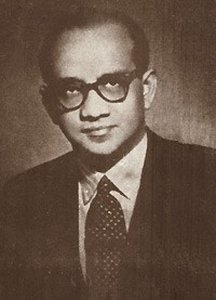
Mohamed Amin
1943 - 1996 , Kenya
Quick Facts
- Artistic Movement Or Style: Photojournalism
- Artists Who Influenced This Artist: ['Michael Buerk']
- Date Of Birth: August 29, 1943
- Date Of Death: November 23, 1996
- Full Name: Mohamed Amin
- Nationality: Kenyan
- Notable Artworks:
- Ethiopian Famine Report
- Idi Amin with Sarah Kyolaba
- Mohamed Amin and Dolly Amin with a pair of lion cubs
- Place Of Birth: Kenya

