 Preview
 Send
Send Share
Share
 Details

 Download
 Similars
 X-Ray
X-Ray Diaporama
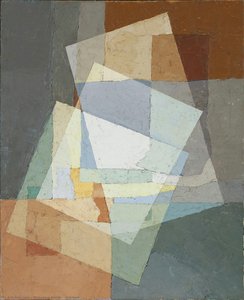
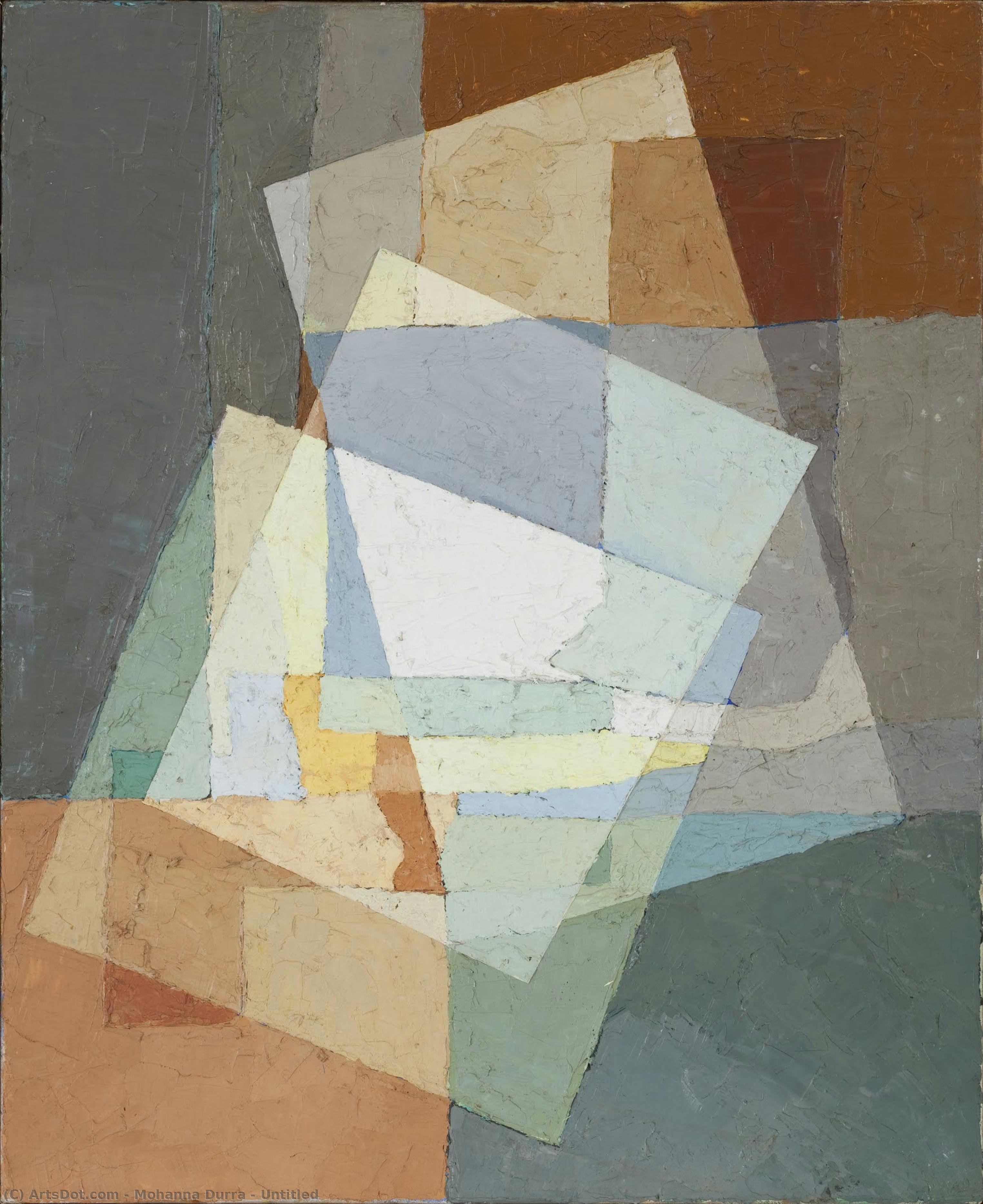
Untitled
 1970
1970 54.0 x 65.0 cm
 Contemporary Art Platform
 Read More
Giclée / Art Print
Museum-quality giclée or canvas print with fast production and flexible finish options. ( Buy Hand Made Painting Buy Image)




































Pick from our preset sizes that match the artwork's original proportions.

You may enter your own dimensions to fit a specific frame or space. If your selected size does not match the original image's proportions, we will either crop the artwork or extend the image with a mirrored or solid-fill edge. A digital mockup will be sent for your approval before production begins.
Please note that the on-screen preview does not reflect the actual cropping or extension. Only the mockup will accurately show the final composition.
While custom sizes are available, we recommend selecting a dimension from the predefined list to preserve the original proportions.
Worldwide Delivery () in 2 weeks instead of standard 4/5 weeks. (18 August)

Free Worldwide Express Shipping

High-Quality Linen Canvas

Full Shipping Insurance

Customs Tax Refund Guarantee

True Color Matching Guarantee

60-Day Return Policy (Defects Only)

100% Money-Back Guarantee

Bulk Discount Offer
 Glass option is only available in size under 110 CM

Untitled
Giclée / Art Print
Reproduction Size
-


Total Price
$ 63
Related Artworks
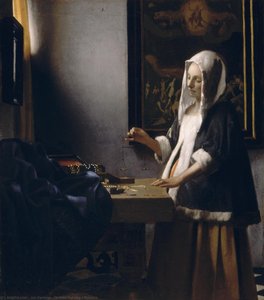
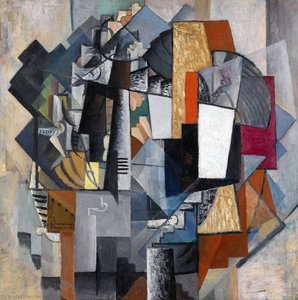
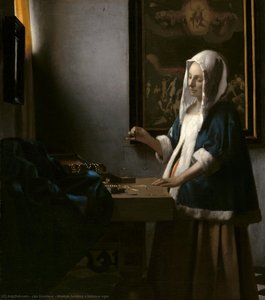

Artist Biography
Georg Baselitz: A Life Sculpted in Distortion
Born Hans-Georg Kern in Deutschbaselitz, a small village in the Upper Lusatia region of Germany, on January 23rd, 1938, Georg Baselitz’s life was inextricably linked to the landscape and history of his upbringing. This formative environment—a region scarred by World War II, marked by displacement, and steeped in a sense of loss—would profoundly shape his artistic vision, informing a body of work characterized by its unsettling honesty and deeply personal expression. His early years were spent amidst the ruins of a shattered order, witnessing firsthand the devastation of conflict and the subsequent struggle for rebuilding. This experience instilled within him a fundamental questioning of established norms and a deliberate rejection of conventional representation – a core tenet that would define his artistic trajectory.
Baselitz’s initial artistic pursuits began in childhood, fueled by a fascination with the reproductions of Louis-Ferdinand von Rayski's *Wermsdorfer Wald*, a landscape painting displayed in the local school assembly hall. This encounter with Realist art served as an unexpected catalyst, sparking a desire to capture the world around him. However, his artistic journey wasn’t immediately linear; he experimented with various styles, including futurism and abstract expressionism, before ultimately forging his own distinct path. His early work, influenced by Soviet era illustration art, the Mannerist period, and even African sculptures – a fascinating confluence of disparate sources – hinted at the complex layers that would later characterize his mature style.
The Rise of Upside-Down Painting
A pivotal moment in Baselitz’s artistic development arrived in 1969. Dissatisfied with the representational constraints of his earlier figurative paintings, he began to invert his subjects – turning them upside down and painting from below. This radical decision wasn't merely a stylistic choice; it was a deliberate attempt to dismantle the illusionistic space of traditional painting and strip away the artifice of representation. As Baselitz himself stated, “I was born into a destroyed order… I didn’t want to reestablish an order: I had seen enough of so-called order.”
This act of inversion became his signature technique, a visual declaration of rebellion against established artistic conventions and the perceived limitations of depicting reality. It served as a means of bypassing the viewer's expectations, forcing them to confront the painting on its own terms – not as a mirror reflecting the world, but as an autonomous expression of the artist’s inner experience. The act of inverting his subjects also mirrored his personal circumstances—a deliberate disruption of order and a rejection of imposed structures.
A Language of Distortion
Baselitz's artistic language is instantly recognizable for its distinctive qualities: simplified forms, gestural brushstrokes, and an overall sense of unease. He rarely employs precise detail or meticulous rendering; instead, he favors loose, expressive lines that convey a raw emotional intensity. His figures are often fragmented and distorted, imbued with a palpable sense of vulnerability and psychological depth. The deliberate crudeness of his technique—a stark contrast to the polished surfaces of many contemporary artists—further emphasizes the immediacy and authenticity of his work.
Influences on Baselitz’s style are diverse and complex. He has cited a wide range of sources, including Byzantine icons, German Expressionist painting, and the art of African tribal sculpture. These disparate influences coalesce in his work to create a unique visual vocabulary—a synthesis of tradition and innovation, restraint and expression.
Legacy and Recognition
Despite initial skepticism from the art establishment, Baselitz’s work gradually gained recognition throughout the 1970s and 80s. His paintings began to appear in major international exhibitions, solidifying his position as a leading figure of the Neo-Expressionist movement. He has since received numerous accolades, including the Golden Lion at the Venice Biennale (1995) and the Praemium Seraphicum at the Kunstakademie Düsseldorf (2006).
Today, Georg Baselitz’s work is exhibited in major museums around the world, and his paintings command considerable prices at auction. His legacy extends beyond his individual achievements; he has profoundly influenced a generation of artists who have embraced distortion and abstraction as tools for exploring the complexities of human experience. His willingness to challenge conventional notions of representation continues to resonate with viewers today, reminding us that art can be both deeply personal and universally relevant.
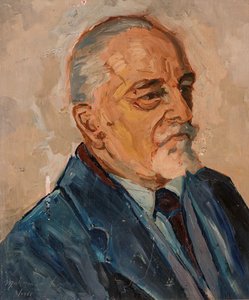
mohanna durra
1938 - 2021 , Jordan
Quick Facts
- Artistic Movement Or Style: Neo-Expressionism
- Artists Or Movements Influenced By This Artist: ['Gerhard Richter']
- Artists Who Influenced This Artist:
- Soviet illustration art
- Mannerist period
- African sculptures
- Date Of Birth: January 23, 1938
- Full Name: Georg Baselitz
- Nationality: German
- Notable Artworks:
- Where is the Yellow Milkjug?
- Mrs Bird?
- Place Of Birth: Deutschbaselitz, Germany