

 Preview
 Send
Send Share
Share
 Details

 Download
 Similars
 X-Ray
X-Ray Diaporama
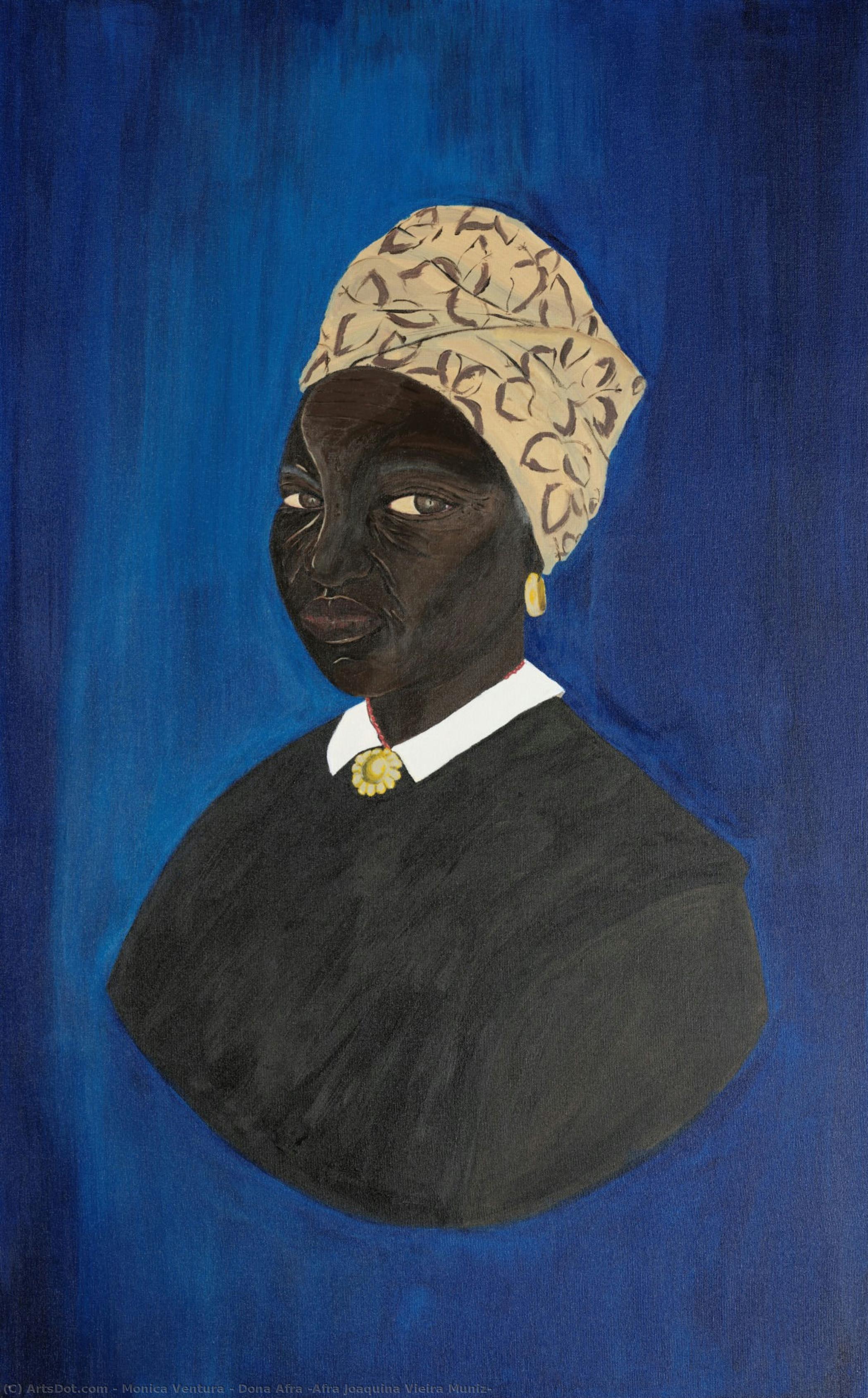
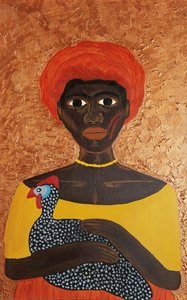
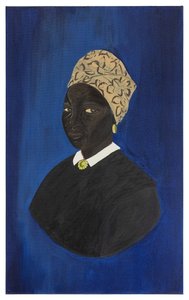
Dona Afra (Afra Joaquina Vieira Muniz)
 Acrylic On Canvas
- WallArt
- Contemporary Realism
 2020
2020- Contemporary
 5.0 x 2.0 cm
 Pinacoteca do Estado de São Paulo
 Read More
Purchase a high-resolution, enhanced digital image, far superior to the online preview.
Each file is meticulously prepared by our in-house specialists using advanced tools and expert manual retouching. We ensure every image has exceptional clarity, precise color accuracy, and fine detail.
The final file is delivered via email within 72 hours, optimized for immediate use in professional, editorial, and print environments. This is the same quality trusted by top-tier design studios, publishers, and galleries.
Digital Image
Download a high-resolution file for personal display, printing, and creative projects. ( Buy Print Buy Hand Made Painting)
Included in Every Digital Image Order
Expert Digital Delivery, Guaranteed
When you choose ArtsDot.com, you're not just getting an image - you're receiving a professionally enhanced digital artwork, crafted with precision and backed by a satisfaction guarantee. Here's everything that comes with your order, automatically:

Fast Email Delivery
Your high-resolution digital image file will be emailed to you within 72 hours of ordering - ready for immediate use.

AI-Enhanced Digital File
Your artwork is professionally optimized using advanced AI tools and manual editing, ensuring maximum detail, clarity, and color accuracy.

Free Lifetime Re-Delivery
Accidentally deleted or lost your file? No worries - we'll resend it to you anytime, free of charge.

No Import Fees - Ever
Enjoy your artwork instantly with zero customs, duties, or delivery fees - digital downloads are always tax-free.

Color Accuracy Guarantee
We ensure your digital image reflects the original colors as closely as possible using professional tools and color management.

60-Day Satisfaction Guarantee
If you're not satisfied with your digital image, we'll revise it or refund 100% within 60 days - no questions asked.

100% Money-Back Guarantee
Not satisfied? Get a full refund within 60 days of receiving your digital file - no questions asked.

Bulk Order Discounts
Buy 3 images, save 10% - Buy 5, save 15% - Buy 10+, save 20%. Great for creative projects, galleries, and agencies.
A Glimpse into History: The Soul of Dona Afra
In the intimate dimensions of a mere five by two centimeters, Monica Ventura achieves a monumental feat of storytelling through her poignant work, "Dona Afra (Afra Joaquina Vieira Muniz)." This miniature masterpiece serves as a profound window into the complex social fabric of 19th-century Brazil. The subject, Afra Joaquina, was a woman whose life was defined by both the struggle for autonomy and the intricate legacies of manumission. Through a direct, piercing gaze that meets the viewer with unwavering strength, Ventura captures not just a portrait, but the very essence of a woman navigating the shadows of a post-slavery era. The painting invites us to contemplate the heavy weight of history, where the lines between freedom and servitude were often blurred by legal battles and familial legacies.
The technique employed by Ventura utilizes the vibrant yet controlled medium of acrylic on canvas to create a striking sense of presence. Despite its diminutive scale, the work possesses an incredible depth of character. The artist uses light and shadow to define the contours of Afra’s face, emphasizing the dignity inherent in her expression. Her dark skin is rendered with a richness that speaks to the vitality of her spirit, while the traditional head wrap adds a layer of cultural identity and ancestral connection. This meticulous application of paint allows the viewer to feel the texture of the fabric and the warmth of the subject's humanity, making the small canvas feel as expansive as the history it represents.
For collectors and lovers of fine art, this piece offers more than mere decoration; it offers a conversation. The symbolism within the portrait—the direct eye contact, the traditional attire, and the stark simplicity of the composition—all point toward a reclamation of identity. In an era of modern interior design where meaningful, narrative-driven art is highly sought after, "Dona Afra" stands as a powerful choice for those looking to infuse their spaces with historical gravity and emotional resonance. It is a work that demands attention, reminding us that even the smallest fragments of art can carry the profound echoes of an entire civilization's struggle and triumph.
Related Artworks



Artist Biography
The Echoes of '85: A Portrait of a Rising Star
Born in 1985, an artist whose name remains largely unheralded outside specialized circles, nevertheless embodies the spirit and stylistic shifts of a pivotal decade. While not formally categorized within established movements – there’s no readily available “Other Names” to define him – his work resonates with a potent blend of Neo-expressionism's raw emotion and a subtle undercurrent of 1980s urban grit, reflecting a generation grappling with rapid change and burgeoning artistic experimentation. His journey began amidst the sonic landscape of '85, a year saturated with iconic music releases like Mitch Allan’s “1985 (SR-71 song),” a track that captured the era's anxieties and aspirations – a thematic echo found in his own visual explorations.
Early influences are difficult to pinpoint with absolute certainty, though whispers suggest a deep appreciation for the gritty realism of early 80s New York art, alongside a fascination with the burgeoning digital art scene. The influence of Charles Saatchi’s gallery opening in 1985, which ignited intense interest in Neo-expressionism, is undeniable; his work shares a similar willingness to embrace subjective experience and emotional intensity, foregoing traditional representational techniques for a more immediate, visceral impact. The dispute surrounding Constantin Brâncuși's “The Muse,” resolved with the Guggenheim Museum paying $2 million – a record at the time – speaks volumes about the era’s appetite for bold acquisitions and its willingness to champion challenging artistic voices.
A Decade of Transformation: 1985 in Art
1985 was a year of significant shifts within the art world. The rise of Neo-expressionism, fueled by exhibitions like Germano Celant’s “Arte Povekira,” challenged established norms and ushered in an era of subjective expression and emotional intensity. The events surrounding Andrew Crispo and the Solomon R. Guggenheim Museum's acquisition of Brâncuși’s sculpture underscored a growing interest in both historical significance and contemporary relevance within the art market. The year also witnessed pivotal awards, including Guy Warren’s *Flugelman with Wingman* winning the Archibald Prize, highlighting the emergence of new talent and pushing artistic boundaries.
Beyond these headline events, 1985 saw a diverse range of works emerging – from Mai Dantsig's evocative “And the Saved World Remembers” to Christo and Jeanne Claude’s monumental "The Pont Neuf Wrapped" in Paris. These projects, along with Odd Nerdrum’s explorations of melancholic beauty, demonstrated a willingness to experiment with scale, material, and conceptual approaches. The inclusion of works by artists like Yankee Champion and Robby Denny further illustrates the breadth of artistic activity during this period, reflecting a vibrant and dynamic creative landscape.
The Language of Form: Style and Technique
While difficult to define within rigid categories, the artist’s style is characterized by a layered approach. He frequently employs bold brushstrokes and saturated colors, reminiscent of Neo-expressionism, yet tempered with a subtle restraint that prevents his work from becoming overly sentimental or histrionic. There's an evident interest in texture – often achieved through impasto techniques – creating a tactile quality that invites the viewer to engage physically with the artwork. His compositions are rarely static; instead, they possess a dynamic energy, suggesting movement and emotional flux.
His use of color is particularly noteworthy. He doesn’t shy away from intense hues, but he masterfully balances them with subtle gradations and tonal shifts, creating depth and complexity within his paintings. The influence of artists like David Bowie – known for his theatricality and exploration of identity – can be detected in the artist's willingness to embrace ambiguity and challenge conventional notions of representation. The echoes of 1985 are not merely stylistic; they’re embedded within the very fabric of his artistic process, informing his approach to subject matter and composition.
Legacy and Significance
Though often operating outside the mainstream spotlight, this artist's work represents a crucial bridge between traditional painting techniques and contemporary sensibilities. His exploration of emotional intensity, coupled with a willingness to experiment with form and color, aligns him with the broader artistic currents of the 1980s – a decade marked by both upheaval and innovation. His continued practice speaks to an enduring commitment to pushing boundaries and exploring the complexities of human experience. As an artist born in 1985, he carries within him the spirit of that era—a potent blend of nostalgia, ambition, and artistic restlessness.
monica ventura
1985 - , Brazil
Quick Facts
- Artistic Movement Or Style: Neo-expressionism
- Date Of Birth: 1985
- Date Of Death: Living
- Place Of Birth: WahooArt

