 Preview
 Send
Send Share
Share
 Details

 Download
 Similars
 X-Ray
X-Ray Diaporama
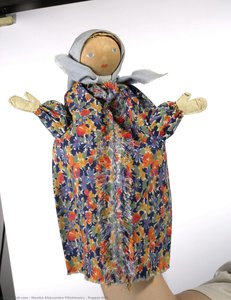
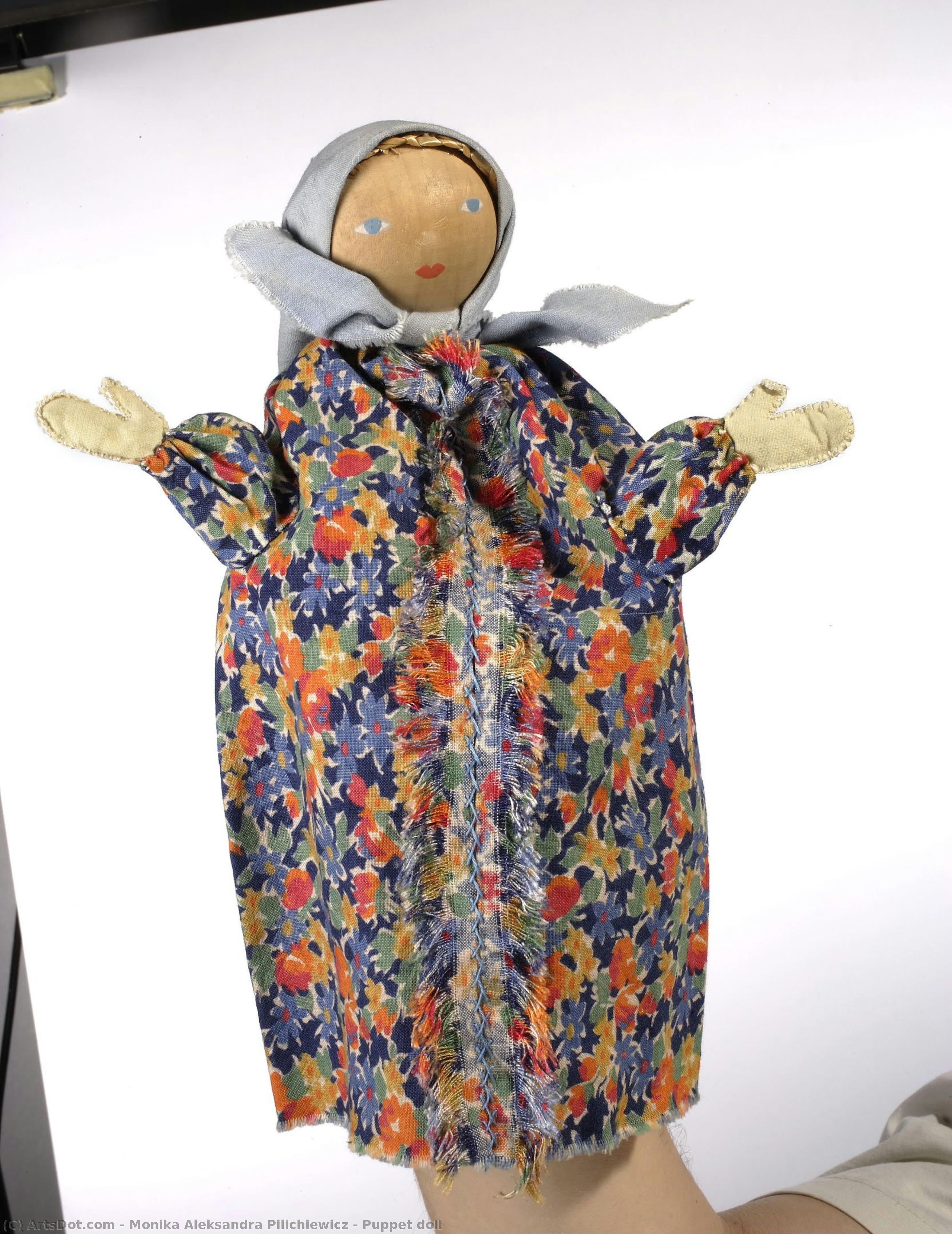
Puppet doll

 Read More
Giclée / Art Print
Museum-quality giclée or canvas print with fast production and flexible finish options. ( Buy Hand Made Painting Buy Image)




































Pick from our preset sizes that match the artwork's original proportions.

You may enter your own dimensions to fit a specific frame or space. If your selected size does not match the original image's proportions, we will either crop the artwork or extend the image with a mirrored or solid-fill edge. A digital mockup will be sent for your approval before production begins.
Please note that the on-screen preview does not reflect the actual cropping or extension. Only the mockup will accurately show the final composition.
While custom sizes are available, we recommend selecting a dimension from the predefined list to preserve the original proportions.
Worldwide Delivery () in 2 weeks instead of standard 4/5 weeks. (25 August)

Free Worldwide Express Shipping

High-Quality Linen Canvas

Full Shipping Insurance

Customs Tax Refund Guarantee

True Color Matching Guarantee

60-Day Return Policy (Defects Only)

100% Money-Back Guarantee

Bulk Discount Offer
 Glass option is only available in size under 110 CM

Puppet doll
Giclée / Art Print
Reproduction Size
-


Total Price
$ 63
Collectible Description
Related Artworks







Artist Biography
A Dream Weaver: The Enigmatic World of Monika Aleksandra Pilichiewicz
Monika Aleksandra Pilichiewicz, also known as Monika Piwowarska, is a Polish visual artist whose work exists in the compelling space between reality and dream. Born in 1983 in Wałcz, Poland, Pilichiewicz’s artistic journey began not within the traditional confines of art school but through athletic dedication – she was a successful pole vaulter, achieving a personal best of 4.53 meters in 2006. This duality—the discipline of physical prowess and the boundless freedom of creative expression—forms a fascinating undercurrent to understanding her evocative creations. While representing Poland at the 2008 Summer Olympics in Beijing marked a significant chapter in her life, it was her subsequent turn towards art that truly defined her unique vision. Pilichiewicz doesn’t simply depict images; she constructs worlds, often unsettling and profoundly beautiful, populated by hauntingly delicate puppet dolls and rendered with striking digital techniques.From the Track to the Canvas: A Shift in Focus
The transition from professional athlete to visual artist wasn't a sudden leap but rather a gradual unfolding of latent creative impulses. The rigorous training demanded precision, focus, and an acute awareness of spatial dynamics—qualities that seamlessly translated into her artistic practice. Her work is characterized by a meticulous attention to detail, particularly in the construction of her signature puppet dolls. These aren’t whimsical playthings; they are imbued with a palpable sense of melancholy and often carry symbolic weight, hinting at themes of vulnerability, isolation, and the complexities of human emotion. The digital medium allows Pilichiewicz to manipulate texture, light, and shadow with extraordinary control, creating an atmosphere that is both ethereal and deeply unsettling. It’s as if she's capturing fragments of a forgotten dreamscape, meticulously reconstructing them for our contemplation.Symbolism and Recurring Motifs
Pilichiewicz’s art isn’t immediately accessible; it invites—and often demands—a deeper engagement with its underlying symbolism. The puppet dolls themselves are central to this exploration. They represent a loss of control, the fragility of identity, and the performative nature of existence. Often depicted in desolate landscapes or ambiguous settings, these figures evoke a sense of loneliness and alienation. Recurring motifs include eyes—often large and expressive—that seem to gaze directly at the viewer, creating an unsettling intimacy. The use of muted color palettes, dominated by grays, blues, and browns, further enhances the melancholic mood. Her work is not about providing answers but rather posing questions, prompting viewers to confront their own anxieties and insecurities.Influences and Artistic Development
While Pilichiewicz’s style is distinctly her own, echoes of Surrealism can be detected in her dreamlike imagery and exploration of the subconscious. Artists like Hans Bellmer, known for his unsettling doll sculptures, may have provided an early influence, though Pilichiewicz imbues her creations with a unique sensitivity and emotional depth. The digital art world has also played a significant role in her development, allowing her to experiment with new techniques and push the boundaries of traditional artistic mediums. Her work isn’t confined by genre; it seamlessly blends elements of portraiture, landscape painting, and conceptual art.- Surrealist painters like Dali and Magritte
- The unsettling doll sculptures of Hans Bellmer
- Contemporary digital artists exploring themes of identity and alienation
Historical Significance and Contemporary Relevance
Monika Aleksandra Pilichiewicz’s work resonates with a contemporary audience grappling with issues of isolation, anxiety, and the search for meaning in an increasingly fragmented world. Her art offers no easy solace; instead, it provides a space for contemplation and emotional exploration. She challenges conventional notions of beauty and invites viewers to confront the darker aspects of the human psyche. While relatively new to the international art scene, Pilichiewicz’s evocative creations have garnered attention for their originality, technical skill, and profound psychological depth. Her ability to seamlessly blend traditional artistic techniques with cutting-edge digital technology positions her as a significant voice in contemporary Polish art and beyond—a dream weaver whose hauntingly beautiful images linger long after they are seen.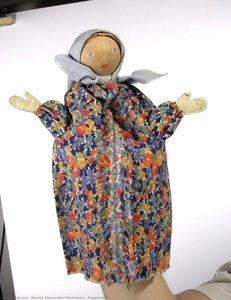
monika aleksandra pilichiewicz
1983 - , Poland
Quick Facts
- Artistic Movement Or Style: Surrealism, Digital Art
- Date Of Birth: November 4, 1983
- Full Name: Monika Aleksandra Pilichiewicz
- Nationality: Polish
- Notable Artworks: ['Puppet doll']
- Place Of Birth: Wałcz, Poland