 Preview
 Send
Send Share
Share
 Details

 Download
 Similars
 X-Ray
X-Ray Diaporama
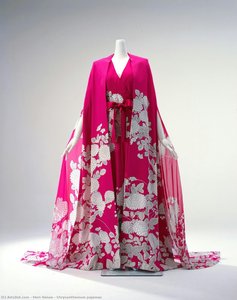
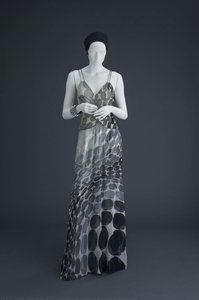
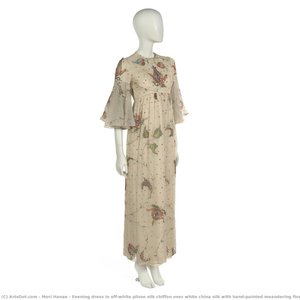
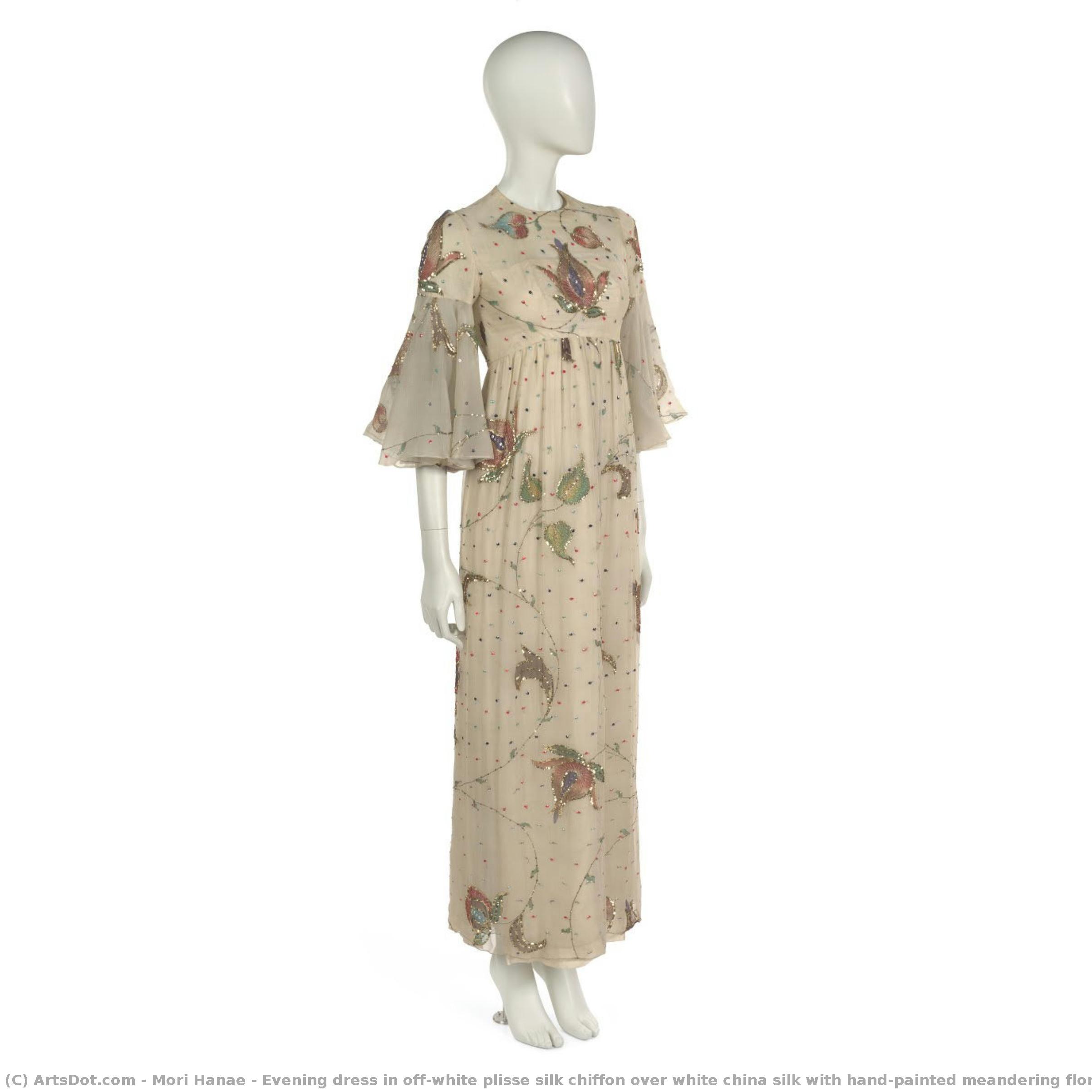
Evening dress in off-white plisse silk chiffon over white china silk with hand-painted meandering floral with boteh motif


 Read More
Hand Made Oil Reproduction
Hand-painted oil on canvas in your size and frame, made to order by our artists. ( Buy Print Buy Image)




P118B $10

P118H $10

P118W $10

P438Z $10

P508JH $12

P508YH $12

P805H $10

P805Z $10

P919BZ $10

P919G $10

P919XJ $10

P959ZH $10

P968JZ $12

W106C $8

W218G $10

W218JH $8

W218Y $10

W307PJ $10

W316G $10

W316PJ $8

W316Y $10

W398PJ $8

W4111J $10

W500HY $15

W500JH $15

W692G $12

W849H $8

W940BG $15

W953PJ $8




Pick from our preset sizes that match the artwork's original proportions.

You may enter your own dimensions to fit a specific frame or space. If your selected size does not match the original image's proportions, we will either crop the artwork or extend the painting with additional hand-painted elements. A digital mockup will be sent for your approval before production begins.
Please note that the on-screen preview does not reflect the actual cropping or extension. Only the mockup will accurately show the final composition.
While custom sizes are available, we recommend selecting a dimension from the predefined list to preserve the original proportions.
After order, ArtsDot.com team will email client for instructions and provide a mockup preview
Worldwide Delivery () in 3/4 weeks instead of standard 5 weeks. (31 August). No compromise on quality.

Free Worldwide Express Shipping

High-Quality Linen Canvas

Full Shipping Insurance

Customs Tax Refund Guarantee

True Color Matching Guarantee

60-Day Return Policy (Defects Only)

100% Money-Back Guarantee

Bulk Discount Offer
 Glass option is only available in size under 110 CM

Evening dress in off-white plisse silk chiffon over white china silk with hand-painted meandering floral with boteh motif
Reproduction Medium
Reproduction Size
-


Total Price
$ 263
A Glimpse into the Elegance of 1979: Mori’s Vision
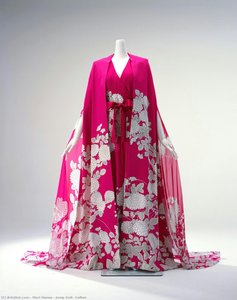
The photograph before us presents more than just a dress; it's a frozen moment in time, a testament to the artistry and meticulous craftsmanship that defined Hanae Mori’s career. Dating back to 1979, this exquisite piece – “Evening Dress with Coat of Obi Fabric” – embodies the designer’s signature blend of Japanese tradition and Parisian sophistication. Mori, a pioneering figure who shattered barriers as one of the first Asian women to achieve haute couture status in both Paris and New York, created garments that were not merely clothing but wearable works of art. This particular dress exemplifies her ability to capture fleeting beauty – the subtle shimmer of silk, the delicate drape of fabric, and the intricate detailing that speaks volumes about the skill involved.
- Historical Context: The late 1970s were a period of significant cultural exchange between East and West. Mori skillfully navigated this dynamic landscape, incorporating elements of Japanese aesthetics – such as the boteh motif (a stylized floral design) – into her designs while maintaining a distinctly European sensibility.
- The Designer: Hanae Mori’s journey is remarkable. Born in 1926, she faced considerable challenges as a woman in the male-dominated world of fashion. Her determination and artistic vision propelled her to international acclaim, establishing her as a true icon of Japanese design.
The Dance of Texture and Light: A Study in Materials
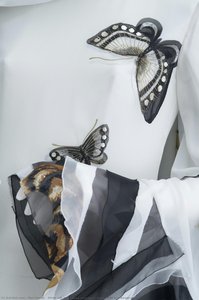
Close examination reveals a masterful manipulation of materials. The foundation is a base of pristine white china silk, providing an elegant canvas for the layers above. Over this lies a breathtaking plisse silk chiffon, its crinkled surface creating a dynamic interplay of light and shadow. This textural contrast isn’t merely aesthetic; it adds depth and movement to the garment, suggesting a fluidity that belies its structured form. The use of gilt sequins, strategically placed within the floral motif, introduces a subtle shimmer – a delicate sparkle that catches the eye without overwhelming the overall palette. The butterfly engageantes, a distinctive feature of Mori’s designs, add a touch of playful extravagance to the sleeves, elevating the dress beyond simple elegance.
Technique Note: The construction is particularly noteworthy for its attention to detail, including the meticulously hand-painted meandering floral and boteh motif outlined in gilt sequins. The vent on the lining seam adds a touch of practicality while maintaining the garment’s overall silhouette.Symbolism and Emotional Resonance
Beyond its technical brilliance, this dress resonates with deeper symbolic meaning. The off-white color palette evokes notions of purity, grace, and sophistication – qualities often associated with evening wear. The floral motif, a recurring theme in Mori’s work, can be interpreted as representing femininity, nature, and the ephemeral beauty of life. The overall design speaks to a sense of understated luxury, suggesting confidence and refinement. It's a garment designed for a woman who appreciates both artistry and elegance.
- Floral Motifs: The boteh motif, a traditional Japanese floral pattern, symbolizes prosperity and good fortune.
- Color Palette: The use of white and gold conveys purity, wealth, and sophistication.
A Legacy Preserved: Reproduction and Appreciation
Worn by Laura Johnson (Mrs. Raymond Johnson) in 1979, this dress represents a pivotal moment in Mori’s career and a testament to her enduring influence on the world of fashion. Today, high-quality reproductions offer an opportunity to experience the beauty and artistry of this iconic garment firsthand. When selecting a reproduction, consider the materials used – ensuring they faithfully replicate the original's luxurious textures and delicate details. This piece is more than just a beautiful dress; it’s a window into a bygone era, a celebration of Japanese design, and a timeless symbol of elegance and grace.
Related Artworks



Artist Biography
A Life Woven in Silk: The Journey of Hanae Mori
Born in 1926 in the tranquil landscapes of Mikawaichi, Japan, Hanae Mori’s life unfolded as a remarkable tapestry woven with threads of tradition and innovation. Her path to becoming one of the world's most celebrated fashion designers wasn’t predetermined; it was forged through dedication, an innate artistic sensibility, and a willingness to bridge cultural divides. Growing up in a time of significant societal change, Mori developed a keen eye for aesthetics, nurtured by her upbringing and later honed through formal training in dressmaking at Tokyo Women's Christian University. The post-war era presented both challenges and opportunities, and Mori seized the latter, establishing her atelier, Hiyoshiya, in 1951. Initially focused on creating costumes for the burgeoning Japanese film industry, she quickly distinguished herself with a meticulous attention to detail and an understanding of garment construction that would become hallmarks of her style. These early experiences provided a crucial foundation, allowing her to translate cinematic drama into wearable art.East Meets West: A Revolutionary Aesthetic
The year 1965 marked a pivotal moment in Mori’s career and the landscape of international fashion. Her debut collection in New York City, boldly titled “East Meets West,” was more than just a presentation of clothes; it was a statement. It represented a harmonious fusion of Japanese artistry and Western tailoring techniques—a concept that resonated deeply with a world increasingly fascinated by cross-cultural exchange. Mori didn’t simply transplant Eastern motifs onto Western silhouettes; she reimagined them, creating garments that were both distinctly Japanese in spirit and universally appealing in their elegance. This innovative approach quickly garnered international acclaim, establishing her as a visionary designer capable of transcending geographical boundaries. She masterfully incorporated elements from traditional Japanese art—the graceful lines of kimonos, the intricate artistry of obi fabrics, and other cultural motifs—into her creations, transforming them into sophisticated expressions of modern couture. The use of luxurious fabrics and meticulous detailing further elevated her designs, reflecting a commitment to quality craftsmanship that set her apart.Breaking Barriers and Achieving Global Recognition
Hanae Mori’s ascent in the world of haute couture was not merely about artistic talent; it was also about breaking down barriers. In 1977, she achieved an unprecedented milestone by becoming one of only two Japanese women—and the first Asian woman—to be officially admitted as a member of the prestigious *Fédération Française de la Couture*, solidifying her place among the elite designers in Paris. This recognition was a testament to her exceptional skill and unwavering dedication to her craft, but it also symbolized a significant shift in the global fashion industry, acknowledging the growing influence of Asian design. Her success extended beyond critical acclaim; by the 1990s, her fashion house had grown into a substantial international business valued at $500 million. This commercial triumph was further underscored by accolades from both Japan and France—the Purple Ribbon Medal of Honor from the Japanese government and the French Legion of Honor from President François Mitterrand—recognizing her profound contributions to both countries’ cultural landscapes.A Lasting Legacy: Beyond the Runway
Hanae Mori's influence extended far beyond the realm of haute couture. Her designs graced royalty and celebrities alike, adorning figures who embodied style and sophistication. Perhaps one of her most enduring collaborations was with Japan Airlines (JAL), where she designed iconic uniforms that became synonymous with Japanese elegance and professionalism for decades. These uniforms weren’t simply functional attire; they were carefully crafted statements of national identity, reflecting Mori's ability to seamlessly blend tradition and modernity. Her passing in August 2022 marked the end of an era, but her legacy continues to inspire contemporary designers and shape the future of fashion. She demonstrated that true innovation lies not in imitation, but in a respectful and imaginative dialogue between cultures—a lesson that remains profoundly relevant today. Mori’s pioneering spirit paved the way for countless other Asian designers, proving that creativity knows no borders and that beauty can be found in the harmonious fusion of diverse traditions. Her work stands as a timeless testament to the power of design to transcend cultural boundaries and celebrate the universal language of elegance.
mori hanae
1926 - 2022 , Japan
Quick Facts
- Artistic Movement Or Style: Haute couture
- Artists Or Movements Influenced By This Artist: ['Contemporary designers']
- Date Of Birth: January 8, 1926
- Date Of Death: August 11, 2022
- Full Name: Hanae Mori
- Nationality: Japanese
- Notable Artworks:
- Mori (graffiti)
- JAL Uniforms
- Place Of Birth: Mikawaichi, Japan
Related Articles

Crimson Threads of Narrative: Exploring Symbolism & Representation in Artworks Featuring the Red Dress
Explore the rich symbolism of the red dress in art history! From ancient power displays to iconic portraits like Cézanne’s 'Madame Cezanne', discover the cultural and artistic significance behind this captivating color. Expert analysis & insights.
Azure Visions: Exploring Representations of the Blue Dress in Western Art History
Explore the rich history of the blue dress in Western art! Discover its symbolism, from Renaissance masterpieces to modern interpretations by artists like Martin & Schiele. Uncover cultural meanings and artistic techniques.

Memento Mori: Finding Beauty and Meaning in Art's Timeless Reminders of Mortality
Explore the profound beauty of Memento Mori art. Discover how Baroque masters used symbols of mortality to inspire reflection, and learn to curate meaningful, timeless masterpieces for your home with expert guidance from ArtsDot.

Cristóbal Balenciaga: Deconstructing Haute Couture's Architectural Legacy
Explore the revolutionary world of Cristóbal Balenciaga, the 'couturier's couturier'. Discover his architectural designs, lasting influence on haute couture, and guide to collecting rare pieces. A connoisseur’s resource.

John Constable's Masterpieces: Explore 25 Iconic Landscapes for Your Home
Journey through John Constable's 25 most celebrated landscapes. Explore Romanticism, Dedham Vale & his masterful use of light in iconic paintings like 'Hay Wain'. Find museum-quality art reproductions and elevate your home decor on ArtsDot.com.