 Preview
 Send
Send Share
Share
 Details

 Download
 Similars
 X-Ray
X-Ray Diaporama
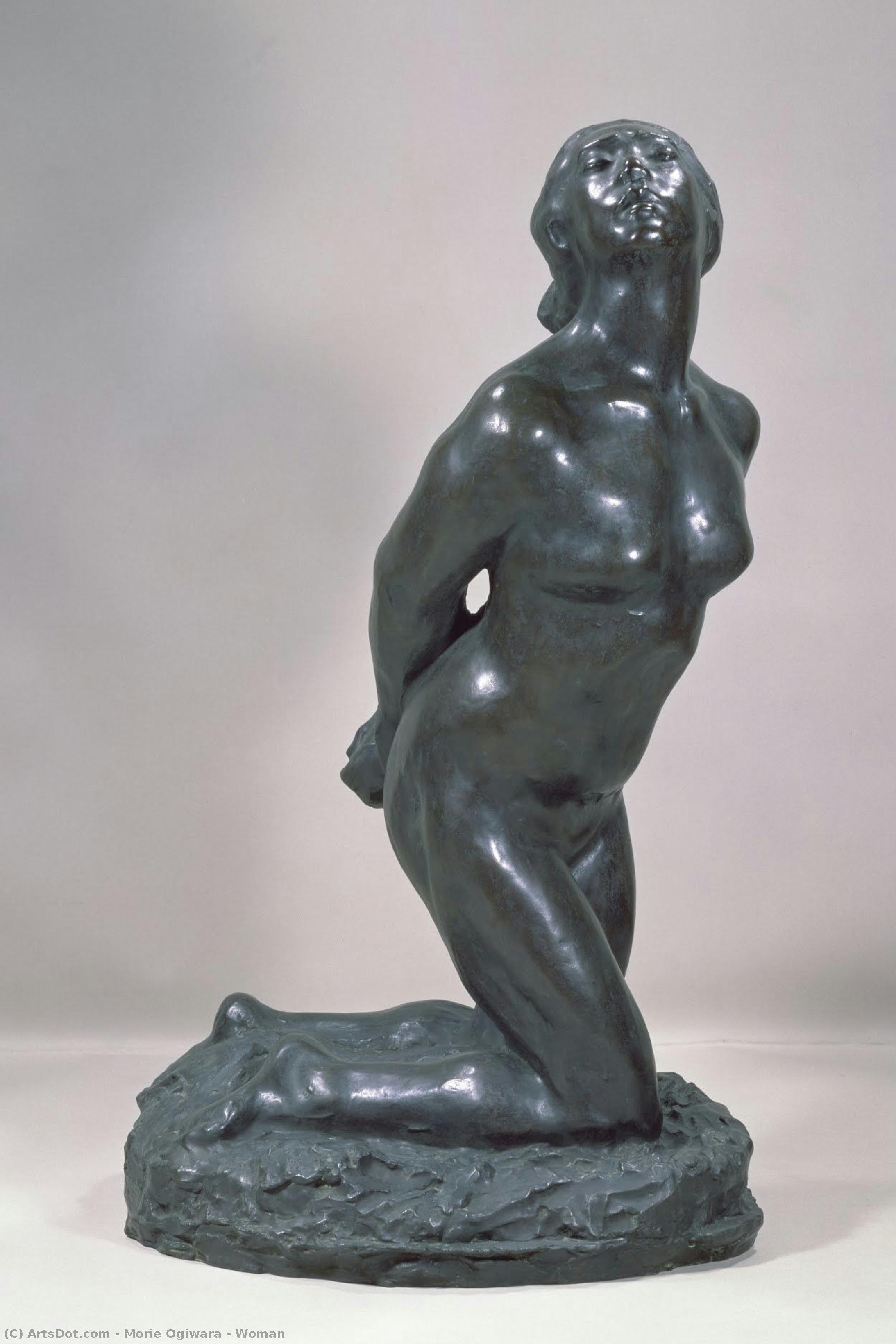
Woman

 Read More
Hand Made Oil Reproduction
Hand-painted oil on canvas in your size and frame, made to order by our artists. ( Buy Print Buy Image)




































Pick from our preset sizes that match the artwork's original proportions.

You may enter your own dimensions to fit a specific frame or space. If your selected size does not match the original image's proportions, we will either crop the artwork or extend the painting with additional hand-painted elements. A digital mockup will be sent for your approval before production begins.
Please note that the on-screen preview does not reflect the actual cropping or extension. Only the mockup will accurately show the final composition.
While custom sizes are available, we recommend selecting a dimension from the predefined list to preserve the original proportions.
After order, ArtsDot.com team will email client for instructions and provide a mockup preview
Worldwide Delivery () in 3/4 weeks instead of standard 5 weeks. (21 August). No compromise on quality.

Free Worldwide Express Shipping

High-Quality Linen Canvas

Full Shipping Insurance

Customs Tax Refund Guarantee

True Color Matching Guarantee

60-Day Return Policy (Defects Only)

100% Money-Back Guarantee

Bulk Discount Offer
 Glass option is only available in size under 110 CM

Woman
Reproduction Medium
Reproduction Size
-


Total Price
$ 263
Artwork Description
Related Artworks
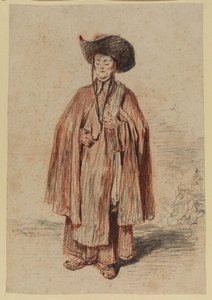
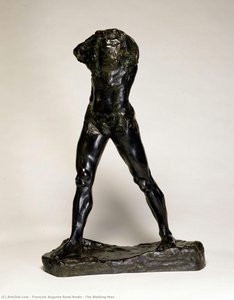
Artist Biography
Morie Ogiwara: Pioneer of Modern Japanese Bronze
Born Morie Ogiwara in 1879 in the remote mountains of Azumino, Nagano Prefecture, Japan, and tragically passing away in 1910, Ogiwara was a pivotal figure in the burgeoning world of modern Japanese art. Often referred to as Rokuzan Ogiwara, his life’s trajectory is one of remarkable transformation – from a young man forced into early labor to a celebrated sculptor who bridged Western artistic traditions with uniquely Japanese themes. His brief but impactful career fundamentally altered the landscape of bronze sculpture in Japan during the Meiji period, establishing him as a true pioneer and a cornerstone of Japanese modernism.
Ogiwara’s early life was marked by hardship. Born into a farming family, he was compelled to abandon his education at a young age due to a congenital heart condition. This experience instilled in him a deep appreciation for the simple realities of rural life and a quiet resilience that would later inform many of his works. His relocation to Tokyo in 1899, facilitated by the influential patronage of Aizō and Kokkō Sōma – the wealthy owners of the Nakamura-ya bakery – proved transformative. The Sōmas recognized Ogiwara’s innate artistic talent and provided him with the resources and encouragement he desperately needed to pursue his passion.
Influences and Artistic Training
The Sōmas' generosity extended beyond mere financial support; they actively fostered Ogiwara’s artistic development. Recognizing his potential, they arranged for him to study in both America and France – two nations at the forefront of artistic innovation during this period. In 1901, he traveled to New York City, immersing himself in the vibrant art scene and studying with Robert Henri and William Merritt Chase at the New York School of Art and the Art Students League. This exposure to American realism profoundly influenced his early work, grounding him in a direct observation of the human form.
However, Ogiwara’s artistic journey took an unexpected turn when he encountered Auguste Rodin's “The Thinker” at the Metropolitan Museum of Art. Witnessing the power and emotional depth of this monumental sculpture ignited within him a fervent desire to master bronze casting. He abandoned his painting studies and dedicated himself entirely to sculpting, a decision that would ultimately define his legacy. Subsequently, he traveled to Paris in 1903, where he continued his artistic education at the Académie Julian under the guidance of French masters. Crucially, he also met Kōtarō Takamura, another Japanese sculptor who served as a mentor and guide during this formative period.
Technique and Subject Matter
Ogiwara’s artistic style was characterized by a remarkable synthesis of Western techniques and deeply rooted Japanese sensibilities. He meticulously studied classical sculpture in the British Museum in London, absorbing the principles of anatomical accuracy and dynamic composition. Yet, he never lost sight of his Japanese heritage. His subjects often reflected themes of Buddhist philosophy, rural life, and the dignity of labor – reflecting the values and experiences of his homeland. His bronze sculptures are notable for their expressive power, capturing a sense of both strength and vulnerability.
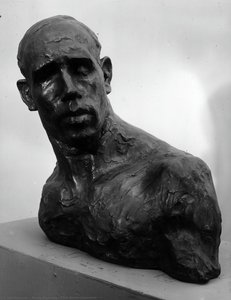
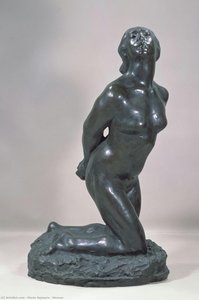
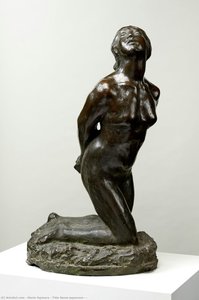
Notable works such as “The Worker” and “Hojo Torakichi,” created during his time in Japan, exemplify this fusion of styles. These pieces, particularly "The Worker," depict scenes of everyday life with remarkable realism and emotional depth, showcasing the physical labor and quiet dignity of the Japanese peasantry. His masterpiece, “Woman,” completed shortly before his death, is considered a poignant exploration of feminine beauty and strength – a testament to his artistic maturity.
Legacy and Recognition
Despite his tragically short career, Morie Ogiwara left an indelible mark on the development of modern Japanese sculpture. His pioneering work challenged traditional notions of art and paved the way for future generations of sculptors. His sculptures are now recognized as Important Cultural Properties of Japan, a testament to their artistic merit and historical significance. The Rokuzan Art Museum in Hotaka, Azumino, serves as a poignant memorial to his life and work, preserving his legacy for future generations.
Ogiwara’s influence extends beyond the realm of art history. His story – a tale of hardship, perseverance, and artistic transformation – resonates deeply with Japanese audiences. A commemorative postage stamp was issued in his honor, and a television movie, “Rokuzan’s Love,” brought his life story to a wider audience, solidifying his place as a beloved figure in Japanese cultural memory.
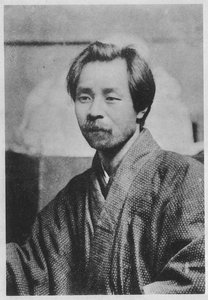
morie ogiwara
1879 - 1910 , Japan
Quick Facts
- Artistic Movement Or Style: Western-style bronze
- Artists Or Movements Influenced By This Artist: ['Kōtarō Takamura']
- Artists Who Influenced This Artist:
- Robert Henri
- William Chase
- Auguste Rodin
- Date Of Birth: 1879
- Date Of Death: 1910
- Full Name: Morie Ogiwara (Rokuzan)
- Nationality: Japanese
- Notable Artworks:
- Kengfu
- Nu
- Woman
- Place Of Birth: Azumino, Japan