

 Preview
 Send
Send Share
Share
 Details

 Download
 Similars
 X-Ray
X-Ray Diaporama
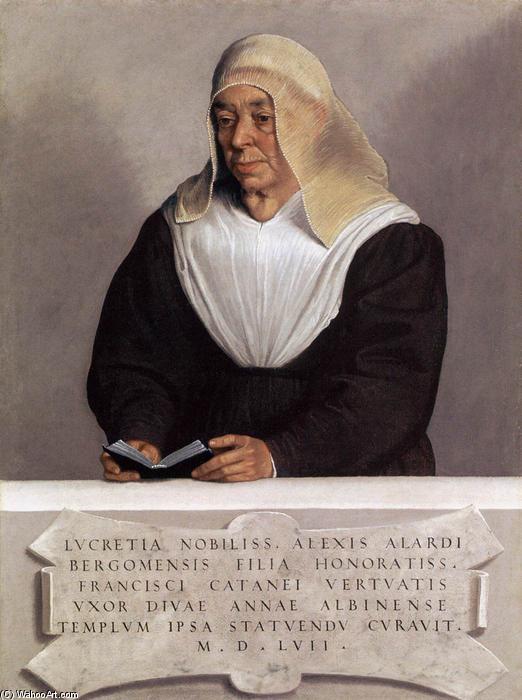
Abbess Lucrezia Agliardi Vertova
 Oil On Canvas
- WallArt
- Mannerist Portraiture
 1556
1556- Renaissance
 91.0 x 69.0 cm
 Metropolitan Museum of Art
 Read More
Purchase a high-resolution, enhanced digital image, far superior to the online preview.
Each file is meticulously prepared by our in-house specialists using advanced tools and expert manual retouching. We ensure every image has exceptional clarity, precise color accuracy, and fine detail.
The final file is delivered via email within 72 hours, optimized for immediate use in professional, editorial, and print environments. This is the same quality trusted by top-tier design studios, publishers, and galleries.
Digital Image
Download a high-resolution file for personal display, printing, and creative projects. ( Buy Print Buy Hand Made Painting)
Included in Every Digital Image Order
Expert Digital Delivery, Guaranteed
When you choose ArtsDot.com, you're not just getting an image - you're receiving a professionally enhanced digital artwork, crafted with precision and backed by a satisfaction guarantee. Here's everything that comes with your order, automatically:

Fast Email Delivery
Your high-resolution digital image file will be emailed to you within 72 hours of ordering - ready for immediate use.

AI-Enhanced Digital File
Your artwork is professionally optimized using advanced AI tools and manual editing, ensuring maximum detail, clarity, and color accuracy.

Free Lifetime Re-Delivery
Accidentally deleted or lost your file? No worries - we'll resend it to you anytime, free of charge.

No Import Fees - Ever
Enjoy your artwork instantly with zero customs, duties, or delivery fees - digital downloads are always tax-free.

Color Accuracy Guarantee
We ensure your digital image reflects the original colors as closely as possible using professional tools and color management.

60-Day Satisfaction Guarantee
If you're not satisfied with your digital image, we'll revise it or refund 100% within 60 days - no questions asked.

100% Money-Back Guarantee
Not satisfied? Get a full refund within 60 days of receiving your digital file - no questions asked.

Bulk Order Discounts
Buy 3 images, save 10% - Buy 5, save 15% - Buy 10+, save 20%. Great for creative projects, galleries, and agencies.
Collectible Description
A Portrait of Serenity: Abbess Lucrezia Agliardi Vertova by Giovanni Battista Moroni
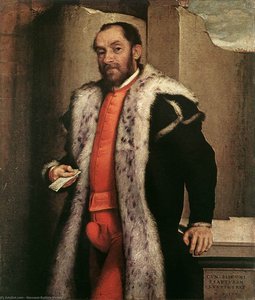
Giovanni Battista Moroni’s “Abbess Lucrezia Agliardi Vertova,” painted around 1556, is more than just a portrait; it's a poignant meditation on faith, age, and the quiet dignity of a life devoted to service. This remarkable work, now housed within ArtsDot’s meticulously crafted hand-painted reproductions, offers a rare glimpse into the world of Renaissance religious life through the eyes of one of Italy’s most perceptive artists. The painting immediately draws the viewer in with its central figure – a woman radiating an almost palpable sense of serenity despite the evident signs of time etched upon her face.
Lucrezia Agliardi Vertova, identified as the founder of the Carmelite convent of Sant'Anna in Albino, Bergamo, is depicted in a manner strikingly different from the idealized representations common at the time. Moroni eschews the conventional glamour often associated with portraits of nobility, instead presenting us with an honest and unvarnished portrayal of a woman who has dedicated her life to prayer and contemplation. Her attire – a simple black robe adorned with a white cowl – speaks volumes about her status and commitment, while her hands, clasped gently around a book or manuscript, suggest a life spent in study and devotion.
The Language of Renaissance Realism
Moroni’s masterful technique is evident in every brushstroke. Executed in oil on canvas, the painting showcases his signature style: a remarkable blend of realism and Mannerist elegance. The artist's meticulous attention to detail—the delicate folds of the robe, the subtle texture of her skin, the careful rendering of her gaze—creates an illusion of astonishing depth and immediacy. Notice how Moroni uses light not to simply illuminate, but to sculpt the figure, highlighting her features while simultaneously creating a sense of mystery within the shadowed background.
The minimalist setting – a plain wall with a subtle hint of shadow – serves to amplify the subject’s importance. It's a deliberate choice that directs our attention entirely to Lucrezia’s face and expression, inviting us to contemplate her inner life. The Latin inscription at the bottom of the painting provides crucial context, revealing that she was the daughter of Honoratus Bergomesi, married to Francesco Cataneo Vertova, and herself responsible for establishing the convent. This biographical detail adds a layer of historical significance to the portrait, transforming it from a simple likeness into a testament to her legacy.
Symbolism and Spiritual Depth
Beyond its technical brilliance, “Abbess Lucrezia Agliardi Vertova” is rich in symbolic meaning. The book she holds represents knowledge, faith, and the pursuit of spiritual understanding – central tenets of monastic life. Her aged appearance isn’t a sign of decline but rather a symbol of wisdom gained through years of contemplation and service. The goiter visible on her neck, often interpreted as a mark of humility and devotion, further underscores this theme.
Moroni's decision to portray Lucrezia with such unflinching honesty—embracing wrinkles, imperfections, and the passage of time—was revolutionary for his era. It’s a powerful statement about the beauty of aging and the value of inner strength over outward appearance. This painting isn’t simply a portrait; it’s an invitation to reflect on themes of faith, mortality, and the enduring power of the human spirit.
Bringing Moroni's Masterpiece Home
ArtsDot is proud to offer meticulously crafted hand-painted reproductions of “Abbess Lucrezia Agliardi Vertova,” allowing you to experience the artistry and emotional depth of this iconic Renaissance masterpiece in your own home. Our skilled artisans painstakingly recreate every detail, from Moroni’s nuanced brushstrokes to the subtle play of light and shadow, ensuring that your reproduction captures the essence of the original painting. Whether you're an art collector, a design enthusiast, or simply someone seeking a piece of timeless beauty, this reproduction offers a stunning addition to any space – a constant reminder of serenity, wisdom, and the enduring legacy of Abbess Lucrezia Agliardi Vertova.
Related Artworks






Artist Biography
Giovanni Battista Moroni: Life and Legacy
Early Life and Training
Giovanni Battista Moroni (also known as Giambattista Moroni) was born in Albino, near Bergamo, Italy, in 1520. His father, Andrea Moroni, was an architect, providing a formative environment for artistic development. He received his initial training under Alessandro Bonvicino (known as Moretto) in Brescia. This early apprenticeship laid the foundation for his technical skills and understanding of Renaissance painting techniques.
Artistic Development and Influences
Moroni’s artistic journey took him through various Italian cities, including Trento and Bergamo. A pivotal moment occurred during his stay in Trento where he encountered Titian and the Count-Bishop Cristoforo Madruzzo. Titian's influence is evident in Moroni’s use of color and sophisticated handling of light. While initially influenced by earlier Renaissance styles, Moroni gradually developed a distinctive Mannerist approach characterized by elegance and realism.
Key Characteristics of His Work
- Portraiture: Moroni is celebrated primarily for his portraits of the local nobility and clergy. These works are not merely likenesses but insightful studies of character, capturing the dignity and psychological depth of his sitters.
- Realism & Naturalism: He employed naturalistic techniques and a keen eye for detail, creating a sense of immediacy and presence in his portraits.
- Silvery Tonality: Moroni’s paintings are often distinguished by their exquisite silvery tonality, achieved through subtle gradations of light and shadow.
- Religious Paintings: While less numerous than his portraits, Moroni also produced religious canvases. These works exhibit a more archaic style, reminiscent of late Quattrocento compositions.
Notable Works
Among Moroni’s most renowned paintings are:
- The Tailor: Currently housed in the National Gallery, London, this painting exemplifies his realistic portrayal of everyday life and character.
- Gian Lodovico Madruzzo: A striking portrait showcasing Moroni’s ability to capture both power and introspection.
- Numerous portraits of members of the Bergamo nobility, providing a valuable visual record of 16th-century society.
Historical Significance & Legacy
Giovanni Battista Moroni’s work holds a significant place in Italian art history. He bridged the gap between High Renaissance ideals and the emerging Mannerist style, creating portraits that were both elegant and psychologically compelling. His influence extended to later artists such as Fra' Galgario and Pietro Longhi, who admired his ability to capture the essence of his subjects. Today, Moroni’s paintings are displayed in prestigious museums like the Uffizi Gallery and the National Gallery, continuing to inspire art lovers and scholars alike.
Final Thoughts
Moroni's legacy rests on his ability to elevate portraiture beyond mere representation. He infused his works with a sense of humanity and psychological depth that continues to resonate with audiences centuries later. His paintings offer a unique glimpse into the lives and personalities of 16th-century Italy, solidifying his position as a master of the Cinquecento era.
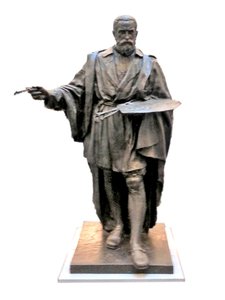
moroni, giovanni battista
1520 - 1578 , Italy
Quick Facts
- Birth Date: 1520
- Birth Place: Albino, Italy
- Death Date: 1578
- Influenced:
- Fra' Galgario
- Pietro Longhi
- Influenced By: Titian, Alessandro Bonvicino
- Movement: Mannerism
- Name: Giovanni Battista Moroni
- Nationality: Italian
- Notable Works:
- The Tailor
- Gian Lodovico Madruzzo

