

 Preview
 Send
Send Share
Share
 Details

 Download
 Similars
 X-Ray
X-Ray Diaporama
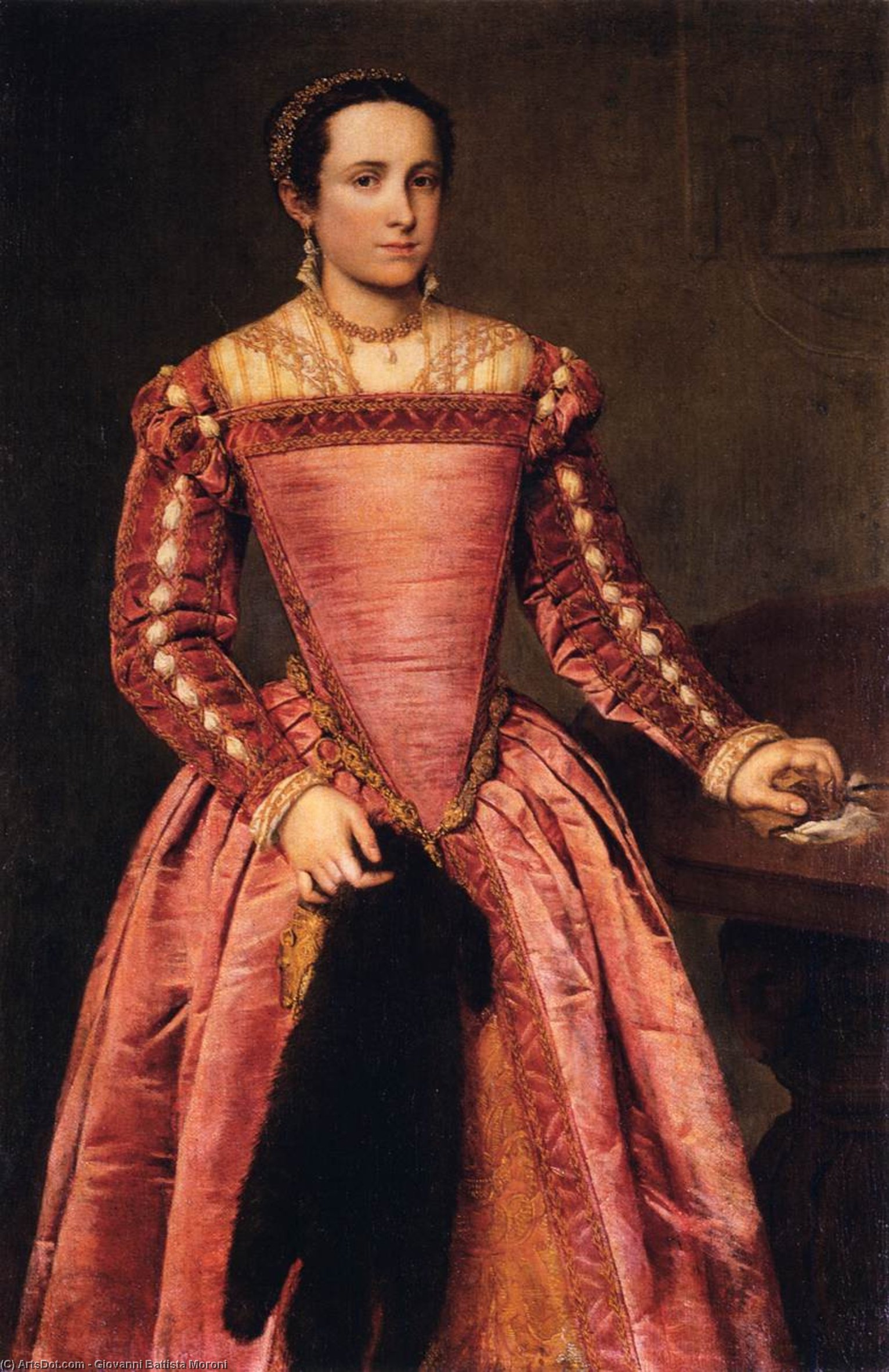
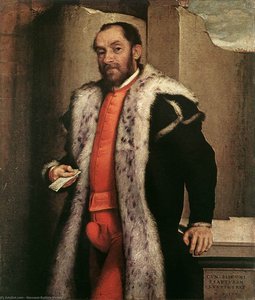
Woman in a Red Dress
 Acrylic On Canvas
- WallArt
- Mannerist Painting
 1560
1560 135.0 x 90.0 cm
 Gemäldegalerie
 Read More
Purchase a high-resolution, enhanced digital image, far superior to the online preview.
Each file is meticulously prepared by our in-house specialists using advanced tools and expert manual retouching. We ensure every image has exceptional clarity, precise color accuracy, and fine detail.
The final file is delivered via email within 72 hours, optimized for immediate use in professional, editorial, and print environments. This is the same quality trusted by top-tier design studios, publishers, and galleries.
Digital Image
Download a high-resolution file for personal display, printing, and creative projects. ( Buy Print Buy Hand Made Painting)
Included in Every Digital Image Order
Expert Digital Delivery, Guaranteed
When you choose ArtsDot.com, you're not just getting an image - you're receiving a professionally enhanced digital artwork, crafted with precision and backed by a satisfaction guarantee. Here's everything that comes with your order, automatically:

Fast Email Delivery
Your high-resolution digital image file will be emailed to you within 72 hours of ordering - ready for immediate use.

AI-Enhanced Digital File
Your artwork is professionally optimized using advanced AI tools and manual editing, ensuring maximum detail, clarity, and color accuracy.

Free Lifetime Re-Delivery
Accidentally deleted or lost your file? No worries - we'll resend it to you anytime, free of charge.

No Import Fees - Ever
Enjoy your artwork instantly with zero customs, duties, or delivery fees - digital downloads are always tax-free.

Color Accuracy Guarantee
We ensure your digital image reflects the original colors as closely as possible using professional tools and color management.

60-Day Satisfaction Guarantee
If you're not satisfied with your digital image, we'll revise it or refund 100% within 60 days - no questions asked.

100% Money-Back Guarantee
Not satisfied? Get a full refund within 60 days of receiving your digital file - no questions asked.

Bulk Order Discounts
Buy 3 images, save 10% - Buy 5, save 15% - Buy 10+, save 20%. Great for creative projects, galleries, and agencies.
A Portrait of Quiet Dignity: Giovanni Battista Moroni’s “Woman in a Red Dress”
Giovanni Battista Moroni's "Woman in a Red Dress," painted circa 1560, is not merely a depiction of a woman; it’s a carefully constructed tableau of Renaissance elegance and subtle psychological depth. This captivating portrait, now housed within the State Kunstsammlungen Dresden, offers a glimpse into the refined world of Venetian nobility, revealing a masterful command of light, color, and the art of conveying character through gesture and expression.
The painting immediately draws the eye to its subject – a woman presented in a classically framed niche, reminiscent of the works of Gerrit Dou and François Duquesnoy. She stands with an air of dignified composure, her gaze direct yet not confrontational, inviting the viewer into a private moment. The rich crimson of her bodice is a striking focal point, immediately establishing a sense of luxury and status – a color often associated with power, passion, and even mourning in Renaissance art. Her attire, though simple in its cut, speaks volumes about her social standing; the subtle details—the delicate pearls adorning her neck, the carefully draped fabric—suggest a life of comfort and refinement.
The Language of Gesture and Symbolism
Moroni’s genius lies not just in his technical skill but also in his ability to imbue the portrait with layers of meaning. The woman's posture is remarkably restrained, yet subtly conveys a sense of contained emotion. Her hands are gracefully folded, suggesting both self-possession and perhaps a hint of melancholy. Notably, she holds a small cloth bag – a detail that has fueled much speculation among art historians. It’s believed to contain a “flea fur,” a fashionable accessory during the Renaissance designed to ward off insects and maintain hygiene. This seemingly mundane object adds an intriguing layer to the portrait, hinting at the woman's awareness of contemporary concerns and her adherence to social norms.
Further adding to the painting’s complexity is the bas-relief beneath the window – a miniature version of a frieze depicting children playing with a goat, attributed to François Duquesnoy. This inclusion suggests a connection between the subject and Moroni's artistic circle, possibly indicating she was a model or muse for other painters in Leiden. The presence of this detail elevates the portrait beyond a simple likeness, transforming it into a microcosm of Renaissance life and artistic practice.
A Masterclass in Mannerist Technique
Moroni’s style is firmly rooted in the Mannerism movement, characterized by an emphasis on elegance, refinement, and psychological subtlety. He skillfully employs chiaroscuro – the dramatic contrast between light and shadow – to sculpt the woman's form and create a sense of depth and volume. The lighting is particularly effective in highlighting her face, emphasizing her features and conveying a quiet intensity. The brushwork is precise yet fluid, demonstrating Moroni’s mastery of oil paint and his ability to capture both texture and atmosphere.
Unlike the vibrant colors often associated with Venetian painting, Moroni favors a more restrained palette, dominated by muted tones of brown, ochre, and red. This deliberate choice contributes to the portrait's overall sense of sophistication and timelessness. The background is deliberately blurred, drawing attention to the subject and reinforcing her importance within the composition.
An Enduring Legacy
"Woman in a Red Dress" stands as a testament to Giovanni Battista Moroni’s artistic skill and his profound understanding of human psychology. It's a portrait that invites contemplation, prompting viewers to consider not only the woman herself but also the social, cultural, and artistic context in which it was created. Reproductions of this captivating work offer a remarkable opportunity to experience the beauty and nuance of Renaissance art firsthand, bringing a touch of timeless elegance to any interior space.
Related Artworks






Artist Biography
Giovanni Battista Moroni: Life and Legacy
Early Life and Training
Giovanni Battista Moroni (also known as Giambattista Moroni) was born in Albino, near Bergamo, Italy, in 1520. His father, Andrea Moroni, was an architect, providing a formative environment for artistic development. He received his initial training under Alessandro Bonvicino (known as Moretto) in Brescia. This early apprenticeship laid the foundation for his technical skills and understanding of Renaissance painting techniques.
Artistic Development and Influences
Moroni’s artistic journey took him through various Italian cities, including Trento and Bergamo. A pivotal moment occurred during his stay in Trento where he encountered Titian and the Count-Bishop Cristoforo Madruzzo. Titian's influence is evident in Moroni’s use of color and sophisticated handling of light. While initially influenced by earlier Renaissance styles, Moroni gradually developed a distinctive Mannerist approach characterized by elegance and realism.
Key Characteristics of His Work
- Portraiture: Moroni is celebrated primarily for his portraits of the local nobility and clergy. These works are not merely likenesses but insightful studies of character, capturing the dignity and psychological depth of his sitters.
- Realism & Naturalism: He employed naturalistic techniques and a keen eye for detail, creating a sense of immediacy and presence in his portraits.
- Silvery Tonality: Moroni’s paintings are often distinguished by their exquisite silvery tonality, achieved through subtle gradations of light and shadow.
- Religious Paintings: While less numerous than his portraits, Moroni also produced religious canvases. These works exhibit a more archaic style, reminiscent of late Quattrocento compositions.
Notable Works
Among Moroni’s most renowned paintings are:
- The Tailor: Currently housed in the National Gallery, London, this painting exemplifies his realistic portrayal of everyday life and character.
- Gian Lodovico Madruzzo: A striking portrait showcasing Moroni’s ability to capture both power and introspection.
- Numerous portraits of members of the Bergamo nobility, providing a valuable visual record of 16th-century society.
Historical Significance & Legacy
Giovanni Battista Moroni’s work holds a significant place in Italian art history. He bridged the gap between High Renaissance ideals and the emerging Mannerist style, creating portraits that were both elegant and psychologically compelling. His influence extended to later artists such as Fra' Galgario and Pietro Longhi, who admired his ability to capture the essence of his subjects. Today, Moroni’s paintings are displayed in prestigious museums like the Uffizi Gallery and the National Gallery, continuing to inspire art lovers and scholars alike.
Final Thoughts
Moroni's legacy rests on his ability to elevate portraiture beyond mere representation. He infused his works with a sense of humanity and psychological depth that continues to resonate with audiences centuries later. His paintings offer a unique glimpse into the lives and personalities of 16th-century Italy, solidifying his position as a master of the Cinquecento era.

moroni, giovanni battista
1520 - 1578 , Italy
Quick Facts
- Birth Date: 1520
- Birth Place: Albino, Italy
- Death Date: 1578
- Influenced:
- Fra' Galgario
- Pietro Longhi
- Influenced By: Titian, Alessandro Bonvicino
- Movement: Mannerism
- Name: Giovanni Battista Moroni
- Nationality: Italian
- Notable Works:
- The Tailor
- Gian Lodovico Madruzzo

