 Preview
 Send
Send Share
Share
 Details

 Download
 Similars
 X-Ray
X-Ray Diaporama
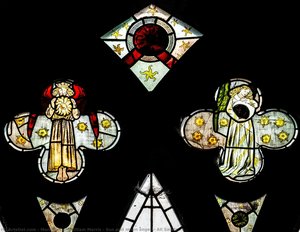
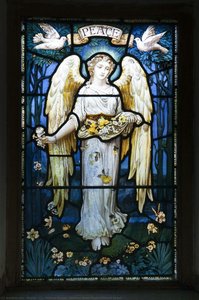
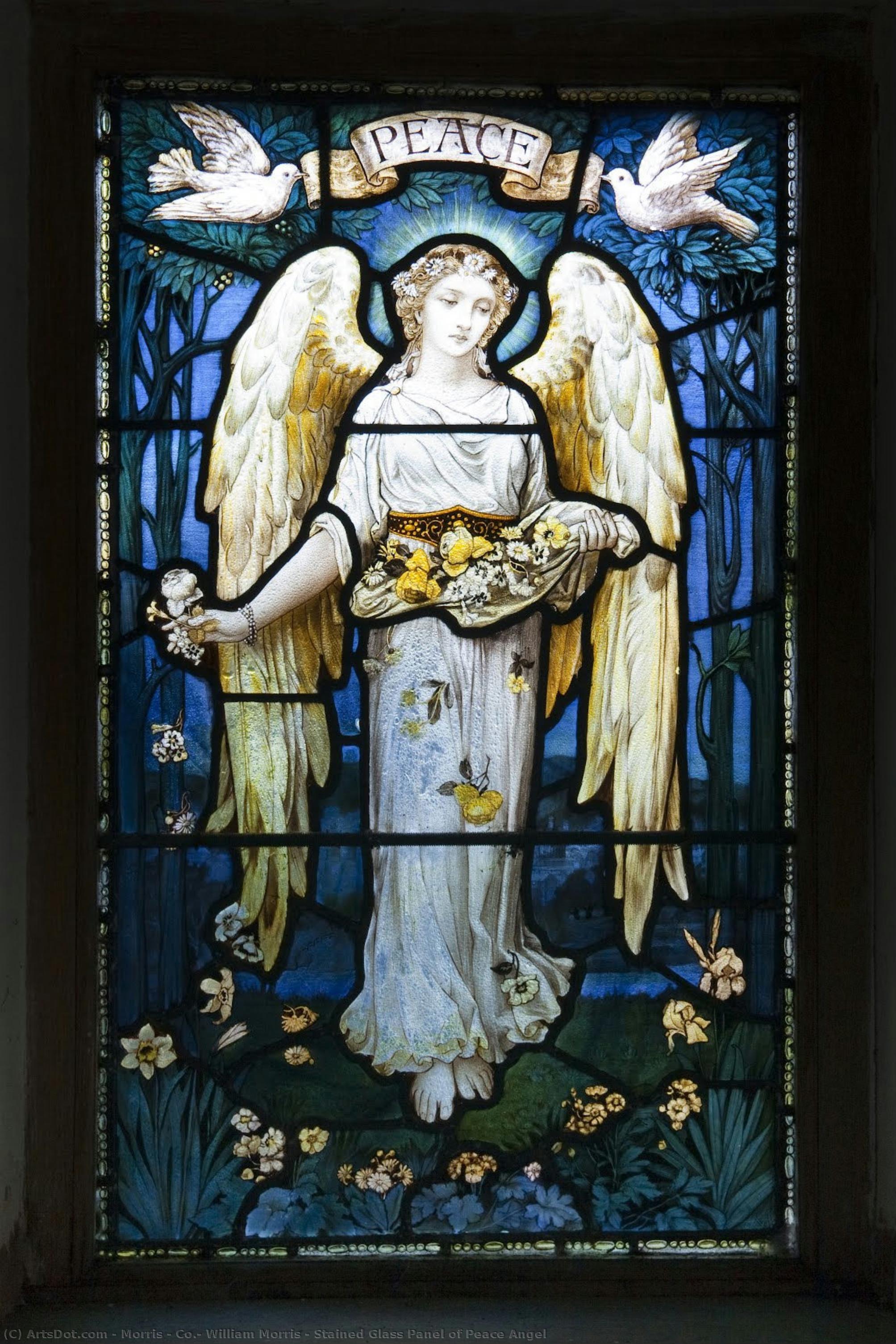
Stained Glass Panel of Peace Angel


 Read More
Hand Made Oil Reproduction
Hand-painted oil on canvas in your size and frame, made to order by our artists. ( Buy Print Buy Image)




































Pick from our preset sizes that match the artwork's original proportions.

You may enter your own dimensions to fit a specific frame or space. If your selected size does not match the original image's proportions, we will either crop the artwork or extend the painting with additional hand-painted elements. A digital mockup will be sent for your approval before production begins.
Please note that the on-screen preview does not reflect the actual cropping or extension. Only the mockup will accurately show the final composition.
While custom sizes are available, we recommend selecting a dimension from the predefined list to preserve the original proportions.
After order, ArtsDot.com team will email client for instructions and provide a mockup preview
Worldwide Delivery () in 3/4 weeks instead of standard 5 weeks. (20 August). No compromise on quality.

Free Worldwide Express Shipping

High-Quality Linen Canvas

Full Shipping Insurance

Customs Tax Refund Guarantee

True Color Matching Guarantee

60-Day Return Policy (Defects Only)

100% Money-Back Guarantee

Bulk Discount Offer
 Glass option is only available in size under 110 CM

Stained Glass Panel of Peace Angel
Reproduction Medium
Reproduction Size
-


Total Price
$ 263
Related Artworks
Artist Biography
James McNeill Whistler: A Symphony of Light and Shadow
Born in Lowell, Massachusetts, in 1834, James Abbott McNeill Whistler’s artistic journey was a transatlantic odyssey, shaped by diverse influences and culminating in a uniquely evocative style. His early life, marked by a brief sojourn in Russia with his father, a civil engineer working on the railway to Moscow, instilled in him a deep appreciation for European art and culture. Returning to America, he briefly enrolled at the United States Military Academy at West Point, but found himself drawn away from military pursuits towards the burgeoning world of painting. This initial foray into formal training proved short-lived; Whistler’s struggles with chemistry led to his dismissal, setting him on a path that prioritized artistic exploration over academic constraints.
Whistler's formative years were spent in Paris, a pivotal period during which he immersed himself in the vibrant art scene. Rejecting the prevailing Realist and Impressionistic trends, he sought inspiration from a broader range of sources – the muted harmonies of Dutch Baroque masters like Rembrandt and Vermeer, the evocative landscapes of Spanish painters such as Velázquez, and the innovative approaches of contemporary French artists like Courbet and Manet. This eclectic approach laid the foundation for his distinctive style, characterized by an emphasis on tonal relationships, subtle color palettes, and a deliberate avoidance of overt narrative or emotional content. He famously declared “art for art’s sake,” advocating for painting as an independent pursuit, divorced from moralizing or didactic purposes.
The Nocturne and the Aesthetic Movement
Whistler's artistic philosophy profoundly influenced his subject matter and technique. He became particularly renowned for his "nocturnes"—paintings of night scenes—which he conceived not as literal depictions of darkness, but rather as explorations of light and color. These works, often characterized by their ethereal quality and atmospheric depth, were titled “arrangements,” “harmonies,” or “compositions,” reflecting Whistler’s belief that painting should resemble a musical score, prioritizing tonal relationships over representational accuracy. His most celebrated nocturne, *Arrangement in Grey and Black No. 1* (1871), now universally known as *Whistler's Mother*, exemplifies this approach—a seemingly simple portrait of his mother transformed into a study of light, shadow, and subtle emotional resonance.
Whistler’s aesthetic sensibilities aligned perfectly with the burgeoning Aesthetic Movement in late 19th-century Britain. This movement, characterized by its emphasis on beauty, pleasure, and artistic innovation, rejected Victorian moralism and embraced unconventional forms of art and expression. Whistler became a leading figure within this circle, associating with writers like Oscar Wilde and artists such as Dante Gabriel Rossetti and William Morris. His work was exhibited alongside theirs, contributing to the movement’s broader cultural impact.
Technique and Style
Whistler's technique was meticulously refined over decades. He mastered both oil painting and watercolor, often combining these mediums in a single artwork. His brushwork was typically loose and suggestive, prioritizing tonal transitions over precise detail. Whistler’s use of color was particularly noteworthy—he favored muted, harmonious palettes, employing subtle gradations of gray, blue, and green to create atmospheric effects. He experimented extensively with etching and lithography, producing stunningly detailed prints that further explored his fascination with light and shadow.
A key element of Whistler’s style was his deliberate manipulation of perspective and spatial relationships. He often employed a flattened picture plane, rejecting traditional notions of depth and creating an illusionistic space that prioritized visual harmony over realistic representation. This approach, coupled with his emphasis on tonal color, resulted in paintings that possessed a dreamlike quality—a sense of detachment from the everyday world.
Legacy and Influence
James McNeill Whistler’s impact on the art world was profound and enduring. He challenged conventional notions of painting, advocating for an artistic practice free from moralizing or didactic intentions. His emphasis on “art for art’s sake” resonated with a generation of artists seeking to break away from academic constraints and explore new forms of expression. His nocturnes continue to captivate viewers with their ethereal beauty and atmospheric depth, while *Whistler's Mother* remains one of the most iconic images in Western art.
Beyond his individual achievements, Whistler played a crucial role in introducing modern French painting—particularly Impressionism—to Britain. His exhibitions and writings helped to broaden the artistic horizons of British audiences and paved the way for subsequent developments in British art. James McNeill Whistler died in London in 1903, leaving behind a legacy as one of the most innovative and influential artists of his time – a true pioneer of aestheticism and a master of light and shadow.
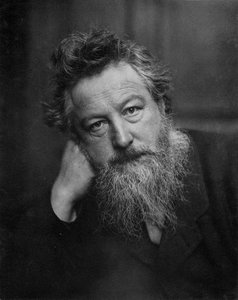
morris & co., william morris
1834 - 1896 , United Kingdom
Quick Facts
- Artistic Movement Or Style: Aestheticism, Tonalism
- Artists Or Movements Influenced By This Artist:
- Courbet
- Monet
- Renoir
- Artists Who Influenced This Artist:
- Rembrandt
- Vermeer
- Velázquez
- Date Of Birth: July 10, 1834
- Date Of Death: July 17, 1903
- Full Name: James Abbott McNeill Whistler
- Nationality: American-British
- Notable Artworks:
- Arrangement in Grey and Black No. 1
- Whistler’s Mother
- Nocturne in Black and Gold
- Place Of Birth: Lowell, Massachusetts, USA