 Preview
 Send
Send Share
Share
 Details

 Download
 Similars
 X-Ray
X-Ray Diaporama
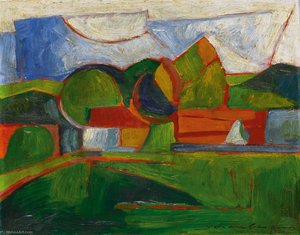
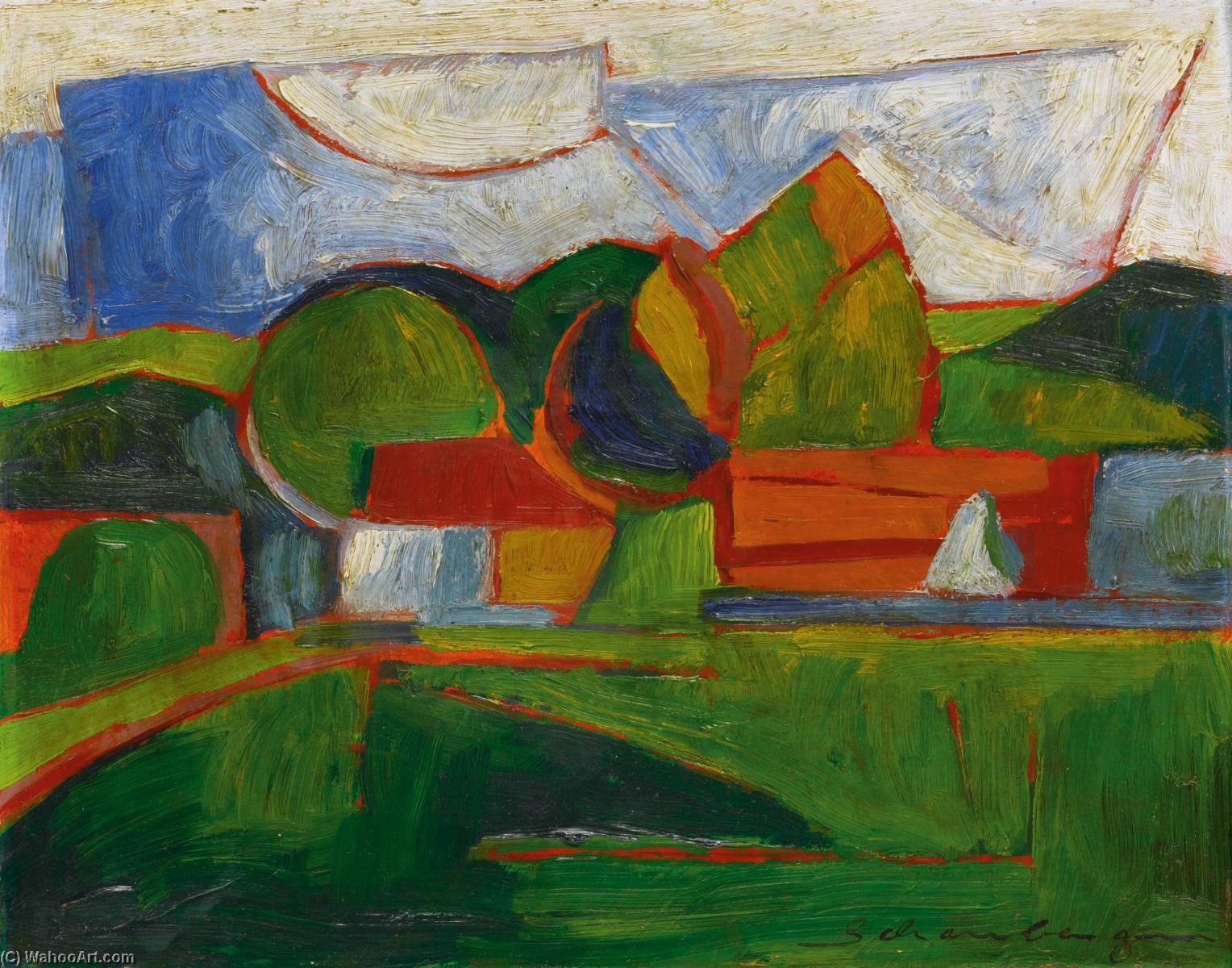
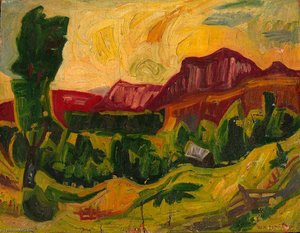
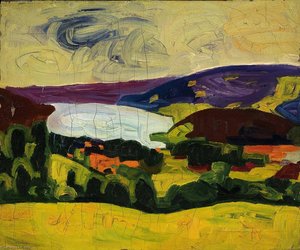
Abstract Landscape
 20.0 x 25.0 cm
 Read More
Hand Made Oil Reproduction
Hand-painted oil on canvas in your size and frame, made to order by our artists. ( Buy Print Buy Image)




































Pick from our preset sizes that match the artwork's original proportions.

You may enter your own dimensions to fit a specific frame or space. If your selected size does not match the original image's proportions, we will either crop the artwork or extend the painting with additional hand-painted elements. A digital mockup will be sent for your approval before production begins.
Please note that the on-screen preview does not reflect the actual cropping or extension. Only the mockup will accurately show the final composition.
While custom sizes are available, we recommend selecting a dimension from the predefined list to preserve the original proportions.
After order, ArtsDot.com team will email client for instructions and provide a mockup preview
Worldwide Delivery () in 3/4 weeks instead of standard 5 weeks. (17 August). No compromise on quality.

Free Worldwide Express Shipping

High-Quality Linen Canvas

Full Shipping Insurance

Customs Tax Refund Guarantee

True Color Matching Guarantee

60-Day Return Policy (Defects Only)

100% Money-Back Guarantee

Bulk Discount Offer
 Glass option is only available in size under 110 CM

Abstract Landscape
Reproduction Medium
Reproduction Size
-


Total Price
$ 263
Related Artworks


Artist Biography
Morton Livingston Schamberg: A Pioneer of Industrial Aesthetics
Morton Livingston Schamberg (1881-1918) remains a curiously compelling figure in the annals of early 20th-century American art. His tragically short career, punctuated by an intense fascination with the burgeoning world of machinery and industrial design, positioned him as a pivotal, though often overlooked, precursor to movements like Precisionism and even aspects of Constructivism. Born into a Philadelphia family rooted in cattle trading—a stark contrast to his artistic inclinations—Schamberg’s journey was one of relentless exploration, fueled by an innate ability to perceive beauty within the most unexpected of subjects: gears, pistons, and the cold, geometric forms of industrial progress.
His early education laid a solid foundation. He graduated from Philadelphia's Central High School and later earned a degree in architecture from the University of Pennsylvania, skills that would prove surprisingly useful in his later artistic endeavors. However, it was his encounter with William Merritt Chase at the Pennsylvania Academy of the Fine Arts that truly ignited his passion for painting. Chase’s influence, combined with brief sojourns in Holland and England, exposed Schamberg to European artistic currents—particularly Impressionism—but it was a trip to Paris in 1906, undertaken alongside Charles Sheeler, that fundamentally shifted his perspective. This immersion in the vibrant Parisian art scene introduced him to the radical ideas of Cubism and Fauvism, laying the groundwork for his distinctive style.
The Rise of Precisionism and Mechanical Imagery
Returning to Philadelphia, Schamberg’s artistic trajectory took a decisive turn. He and Sheeler established a shared studio, fostering a collaborative environment that proved crucial to their development. Initially influenced by Chase's teachings, Schamberg gradually began incorporating Cubist elements into his work—a deliberate fracturing of form and color that reflected the dynamism of modern life. Crucially, around 1912, he turned his attention towards the industrial landscape, a subject largely unexplored by American artists at the time. This shift wasn’t merely an aesthetic choice; it was driven by a profound sense of unease about the rapid mechanization of society and its potential dehumanizing effects.
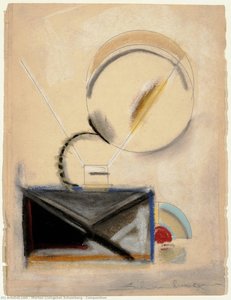
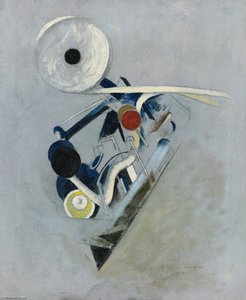
Schamberg's early paintings of machines—*The Regatta*, *Machine Still Life*, *Composition* – are characterized by their meticulous detail, sharp lines, and almost photographic clarity. He didn’t simply depict machinery; he sought to capture its essence, reducing complex mechanisms to their essential geometric forms. Influenced by the Dada movement's interest in chance and the absurd, Schamberg embraced a detached, almost clinical approach, presenting these industrial objects with an unsettling beauty. His work resonated with the anxieties of a rapidly changing world, anticipating themes explored decades later by artists like Charles Sheeler and Edward Hopper.
Connections and Influences
Schamberg’s artistic development was inextricably linked to his close friendship with Charles Sheeler. Their shared studio in Philadelphia provided a space for experimentation and mutual inspiration. Furthermore, their travels together—particularly the study of Renaissance masters in Italy—were formative experiences that shaped their understanding of composition and perspective. The influence of William Merritt Chase remained significant throughout Schamberg’s career, providing him with technical skills and an appreciation for tonal harmony.
Beyond his immediate circle, Schamberg was also influenced by the burgeoning avant-garde movements in Europe, particularly Cubism and Futurism. He absorbed the radical ideas of artists like Pablo Picasso and Kazimir Malevich, adapting their techniques to explore the unique challenges presented by industrial subjects. Notably, he engaged with the Dada movement’s interest in chance and the absurd, incorporating these concepts into his work through a deliberate deconstruction of form and perspective.
A Tragic Interruption: Death and Legacy
Schamberg's career was tragically cut short by the 1918 influenza pandemic. He died on October 13th, just two days before his thirty-seventh birthday, leaving behind a remarkably small but intensely significant body of work. Despite his brief life, Schamberg’s influence on American modernism is undeniable. His pioneering exploration of industrial imagery paved the way for later Precisionist artists and contributed to a broader shift in American art towards abstraction and machine aesthetics.
His paintings are now recognized as crucial documents in the history of 20th-century art, offering a unique perspective on the social and technological transformations of the early 20th century. Schamberg’s legacy lies not only in his individual artistic achievements but also in his willingness to challenge conventional notions of beauty and explore the hidden poetry within the mundane realities of industrial life. His work continues to resonate with contemporary audiences, reminding us of the enduring power of art to reflect and critique the world around us.
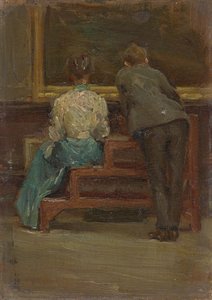
morton livingston schamberg
1881 - 1918
Quick Facts
- Artistic Movement Or Style:
- Precisionism
- Cubist influence
- Artists Or Movements Influenced By This Artist:
- Duchamp
- Sheeler
- Artists Who Influenced This Artist:
- William Merritt Chase
- Charles Sheeler
- Date Of Birth: October 15, 1881
- Date Of Death: October 13, 1918
- Full Name: Morton Livingston Schamberg
- Nationality: American
- Notable Artworks:
- Painting VI (Camera Flashlight)
- Composition
- Place Of Birth: Philadelphia, Pennsylvania