

 Preview
 Send
Send Share
Share
 Details

 Download
 Similars
 X-Ray
X-Ray Diaporama
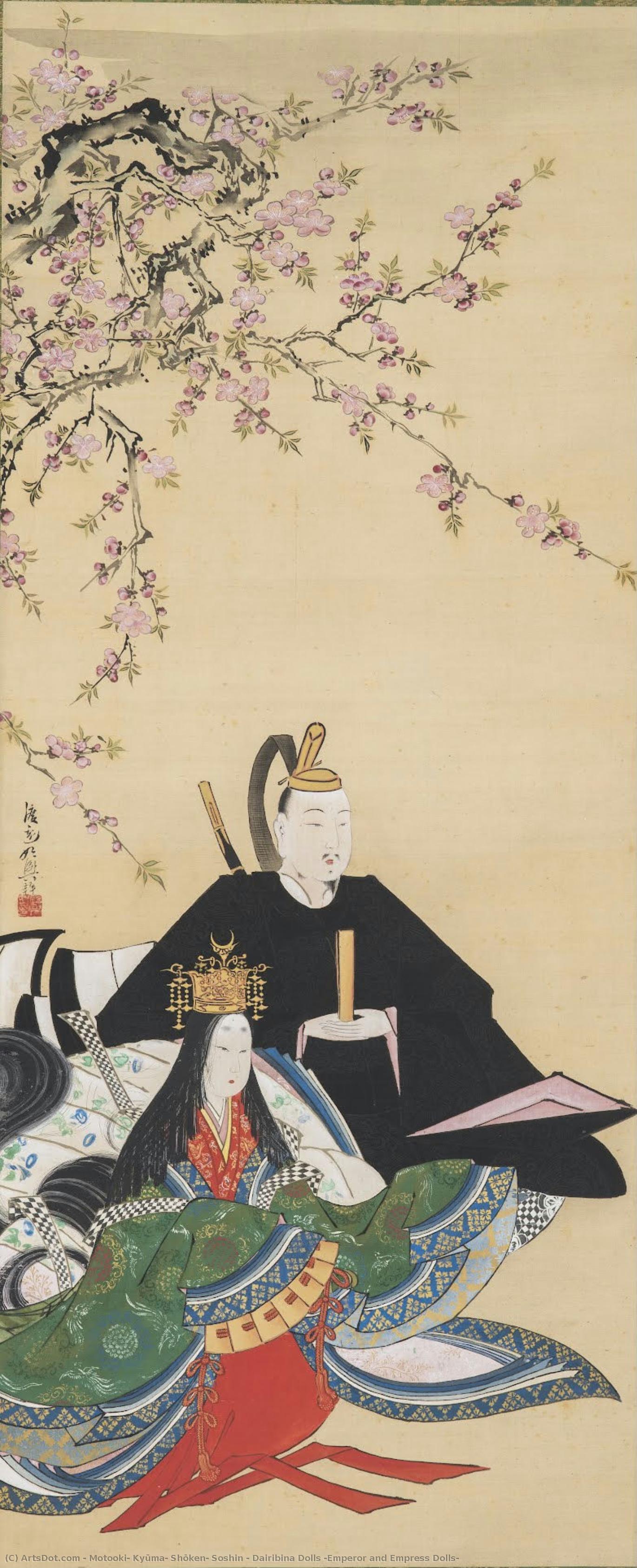
Dairibina Dolls (Emperor and Empress Dolls)

 Read More
Purchase a high-resolution, enhanced digital image, far superior to the online preview.
Each file is meticulously prepared by our in-house specialists using advanced tools and expert manual retouching. We ensure every image has exceptional clarity, precise color accuracy, and fine detail.
The final file is delivered via email within 72 hours, optimized for immediate use in professional, editorial, and print environments. This is the same quality trusted by top-tier design studios, publishers, and galleries.
Digital Image
Download a high-resolution file for personal display, printing, and creative projects. ( Buy Print Buy Hand Made Painting)
Included in Every Digital Image Order
Expert Digital Delivery, Guaranteed
When you choose ArtsDot.com, you're not just getting an image - you're receiving a professionally enhanced digital artwork, crafted with precision and backed by a satisfaction guarantee. Here's everything that comes with your order, automatically:

Fast Email Delivery
Your high-resolution digital image file will be emailed to you within 72 hours of ordering - ready for immediate use.

AI-Enhanced Digital File
Your artwork is professionally optimized using advanced AI tools and manual editing, ensuring maximum detail, clarity, and color accuracy.

Free Lifetime Re-Delivery
Accidentally deleted or lost your file? No worries - we'll resend it to you anytime, free of charge.

No Import Fees - Ever
Enjoy your artwork instantly with zero customs, duties, or delivery fees - digital downloads are always tax-free.

Color Accuracy Guarantee
We ensure your digital image reflects the original colors as closely as possible using professional tools and color management.

100-Day Satisfaction Guarantee
If you're not satisfied with your digital image, we'll revise it or refund 100% within 100 days - no questions asked.

100% Money-Back Guarantee
Not satisfied? Get a full refund within 100 days of receiving your digital file - no questions asked.

Bulk Order Discounts
Buy 3 images, save 10% - Buy 5, save 15% - Buy 10+, save 20%. Great for creative projects, galleries, and agencies.
Related Artworks








Artist Biography
Kyūma (Watanabe Shikō): A Master of Dolls and Scrolls in the Rinpa School
Born in Kyoto during the late Edo period, Kyūma, also known as Motooki or Watanabe Shikō, stands as a pivotal figure within the vibrant tapestry of the Rinpa school of Japanese painting. His life spanned from 1683 to 1755, a time of immense artistic and social transformation in Japan. Unlike many artists of his era who rigidly adhered to established traditions, Kyūma skillfully blended influences—from the meticulous techniques of the Kano School to the playful, decorative sensibilities of Ogata Kōrin—creating a uniquely personal style that continues to captivate viewers today. His legacy rests not only on the beauty of his paintings but also on his role in shaping the trajectory of Rinpa itself.
Kyūma’s early artistic development was deeply rooted in the Kano School, renowned for its precise brushwork, idealized landscapes, and meticulous attention to detail. This foundation provided him with a strong technical base. However, he quickly absorbed the innovative spirit of Ogata Kōrin, whose work embraced brighter colors, dynamic compositions, and a greater emphasis on depicting everyday life—particularly the world of dolls and courtesans. This shift marked a significant departure from the more formal and restrained aesthetic of the Kano School, paving the way for the Rinpa school’s distinctive character.
His career began as a *ronin* – a masterless samurai – employed by Konoe Iehiro, a prominent member of the influential Konoe clan. This association provided him with access to artistic circles and opportunities for training. A key moment in his artistic journey occurred in 1735 when he completed copies of the “Kasuga Gongen Genki” scrolls—a set of Buddhist paintings dating back to the Kamakura period. These meticulous reproductions demonstrated his mastery of traditional techniques while also revealing a subtle, personal interpretation of the original works. The preservation of these scrolls within the Yōmei Bunko archive in Kyoto underscores their historical significance and Kyūma’s contribution to Japanese art history.
The Art of Dolls and Scrolls: Defining Kyūma's Style
Kyūma is most celebrated for his exquisite depictions of dolls, particularly *dairibina* dolls—portraits of the Emperor and Empress. These works are not merely representations; they’re imbued with a remarkable sense of life and personality. The dolls are rendered in meticulous detail, capturing their regal bearing and conveying an aura of serenity and dignity. The use of vibrant colors, delicate brushwork, and subtle gradations of tone create a mesmerizing effect, drawing the viewer into the scene.
Alongside his work with dolls, Kyūma excelled at painting scrolls—long horizontal paintings that were traditionally used for storytelling or as decorative wall hangings. His scrolls often feature scenes from Japanese folklore, historical events, and everyday life. He skillfully employed a combination of techniques to create dynamic compositions, incorporating elements of both Kano and Rinpa styles. The integration of landscape elements into his scroll paintings—often rendered with a delicate, atmospheric quality—further enhanced their visual appeal.
Influences and Artistic Evolution
Kyūma’s artistic journey is marked by a fascinating interplay of influences. Initially trained in the Kano School, he quickly embraced the more decorative and expressive style of Ogata Kōrin. This synthesis resulted in a unique artistic voice that blended technical precision with a sense of playful elegance. His early works demonstrate a clear influence from the Kano School’s emphasis on idealized forms and meticulous detail, while his later paintings reveal a greater willingness to experiment with color and composition—characteristics associated with Rinpa.
The impact of Kōrin is particularly evident in Kyūma's depictions of *fusuma* (sliding doors) for the Daikaku-ji Buddhist temple in Kyoto. These large-scale paintings showcase his ability to create dynamic, layered compositions that effectively utilize color and perspective. The use of bold colors and dramatic lighting—a hallmark of Kōrin’s style—elevates these works beyond mere decoration, transforming them into immersive visual experiences.
Legacy and Recognition
Kyūma's paintings are held in prestigious collections around the world, including the Brooklyn Museum, the Metropolitan Museum of Art, the British Museum, and the Ashmolean Museum. This widespread recognition speaks to the enduring quality and artistic merit of his work. His influence can be seen in the works of subsequent generations of Rinpa painters, solidifying his place as a key figure in Japanese art history.
Beyond his technical skill and stylistic innovations, Kyūma’s legacy lies in his ability to capture the essence of Japanese culture—particularly the world of dolls and scrolls—with remarkable sensitivity and artistry. His paintings continue to be admired for their beauty, elegance, and profound sense of human emotion.

motooki, kyūma, shōken, soshin
1683 - 1755 , Japan
Quick Facts
- Artistic Movement Or Style: Rinpa School
- Artists Or Movements Influenced By This Artist: ['Rinpa School']
- Artists Who Influenced This Artist:
- Kanō School
- Ogata Kōrin
- Date Of Birth: 1683 Kyoto, Japan
- Date Of Death: 1755 Kyoto, Japan
- Full Name: Motooki, Kyūma, Shōken, Soshin
- Nationality: Japanese
- Notable Artworks:
- Dairibina Dolls
- Kasuga Gongen Scrolls
- Place Of Birth: Kyoto, Japan