 Preview
 Send
Send Share
Share
 Details

 Download
 Similars
 X-Ray
X-Ray Diaporama
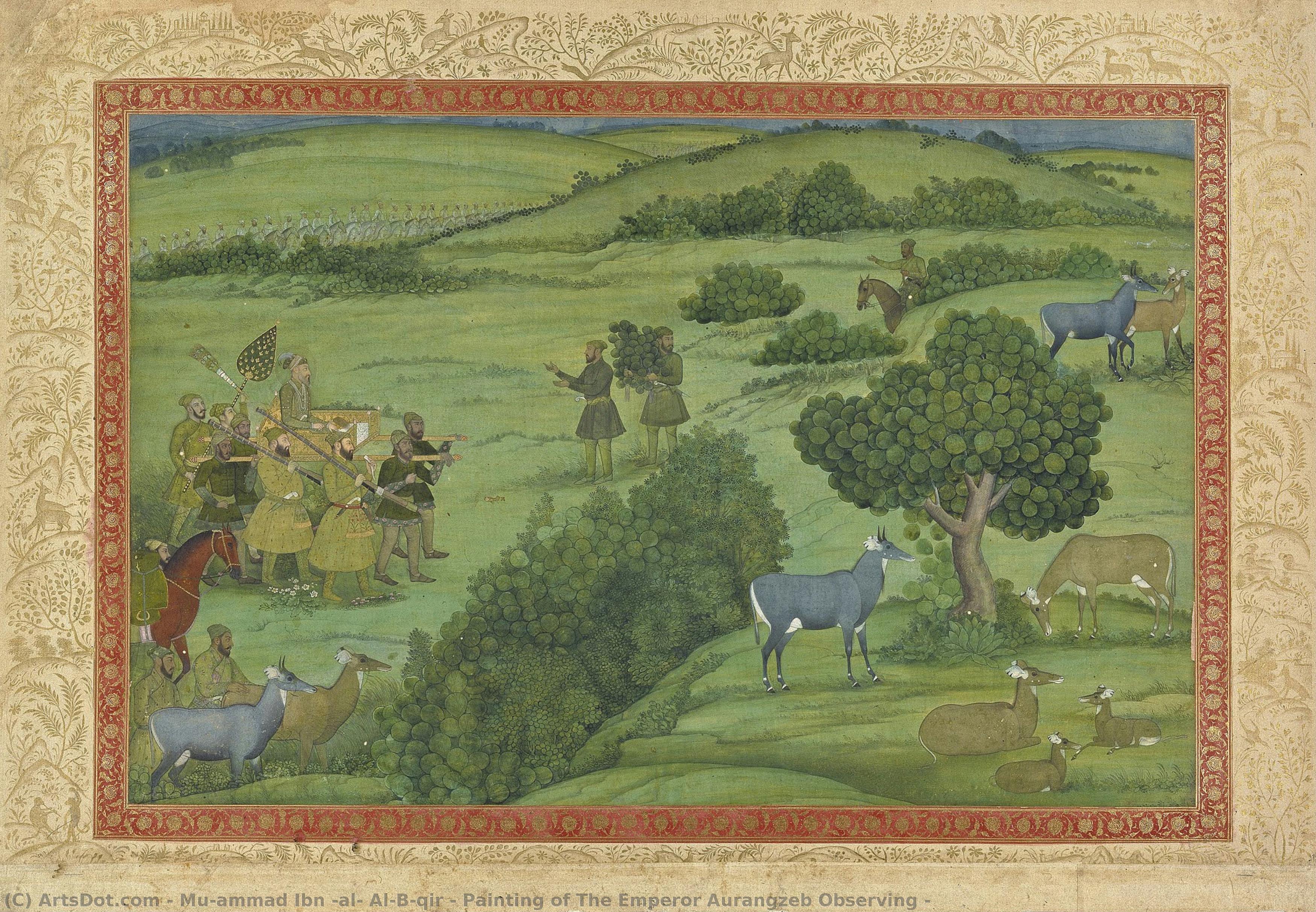
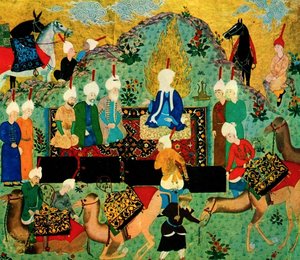
Painting of The Emperor Aurangzeb Observing
 47.0 x 32.0 cm
 Read More
Hand Made Oil Reproduction
Hand-painted oil on canvas in your size and frame, made to order by our artists. ( Buy Print Buy Image)




































Pick from our preset sizes that match the artwork's original proportions.

You may enter your own dimensions to fit a specific frame or space. If your selected size does not match the original image's proportions, we will either crop the artwork or extend the painting with additional hand-painted elements. A digital mockup will be sent for your approval before production begins.
Please note that the on-screen preview does not reflect the actual cropping or extension. Only the mockup will accurately show the final composition.
While custom sizes are available, we recommend selecting a dimension from the predefined list to preserve the original proportions.
After order, ArtsDot.com team will email client for instructions and provide a mockup preview
Worldwide Delivery () in 3/4 weeks instead of standard 5 weeks. (5 September). No compromise on quality.

Free Worldwide Express Shipping

High-Quality Linen Canvas

Full Shipping Insurance

Customs Tax Refund Guarantee

True Color Matching Guarantee

60-Day Return Policy (Defects Only)

100% Money-Back Guarantee

Bulk Discount Offer
 Glass option is only available in size under 110 CM

Painting of The Emperor Aurangzeb Observing
Reproduction Medium
Reproduction Size
-


Total Price
$ 263
Related Artworks







Artist Biography
Muhammad ibn Ali al-Baqir (676–732): The Fifth Imam – A Legacy of Knowledge and Quiet Resilience
Muhammad ibn Ali al-Baqir, revered as the fifth imam in Shia Islam, stands as a pivotal figure in shaping Islamic theology and jurisprudence. Born in Medina around 676 CE, his life unfolded amidst turbulent times—the assassination of Husayn ibn Ali at Karbala marking an indelible scar on Shia history and establishing him as the first imam descended from both grandsons of Prophet Muhammad.
- Early Life & Witness to Tragedy: Al-Baqir’s childhood was shadowed by the horrific massacre at Karbala, witnessing firsthand the brutal suppression of Shi'a aspirations under Yazid ibn Mu'awiya. This formative experience instilled in him a profound understanding of political struggle and sectarian division.
- A Scholar Amidst Conflict: As a young man, Al-Baqir navigated the complexities of Umayyad rule, observing power dynamics and sectarian disputes while his father resigned from active politics—a deliberate choice prioritizing spiritual pursuits over worldly ambition.
- The Foundations of Twelver Shi'ism: Al-Baqir’s influence extended far beyond Medina, establishing a significant following in Kufa, Iraq, where he attracted distinguished theologians and laid the groundwork for Twelver Shi'ism—a doctrine emphasizing succession through unbroken lineage from Muhammad. Notably, his son Ja’far al-Sadiq further developed this theory of imamate.
- A Policy of Quietude & Dissuasion: Unlike many contemporaries, Al-Baqir adopted a stance of quiescence, reportedly attempting to dissuade his half-brother Zayd ibn Ali from prematurely challenging Umayyad authority—a testament to his commitment to peaceful resolution and upholding Islamic principles.
- Legacy & Recognition: Tabataba’i recounts that Al-Baqir succumbed to poisoning during his reign, though the exact date remains debated among scholars. Despite a relatively brief period of leadership, he is remembered as an eminent jurist, exegete of the Quran, and scholar of hadith—a beacon of piety and intellectual rigor whose contributions continue to resonate within Shia tradition.
Al-Baqir’s Scholarly Contributions & Theological Significance
Al-Baqir's reputation as a jurist stemmed from his meticulous attention to detail and unwavering adherence to Islamic law. He meticulously scrutinized legal precedents, ensuring their accuracy and consistency with Quranic verses and prophetic traditions—a practice that profoundly impacted the development of Shia jurisprudence.
- Hadith Expertise: Al-Baqir possessed unparalleled knowledge of hadith (Prophetic sayings and deeds), painstakingly compiling and analyzing authentic narrations to illuminate Islamic ethics and spirituality.
- Quranic Interpretation: His profound understanding of the Quran guided his interpretations, emphasizing moral responsibility and advocating for a holistic approach to religious practice—a perspective that continues to inspire Shia scholars today.
- The Theory of Imamate: Perhaps Al-Baqir’s most enduring legacy lies in formulating the cornerstone of Twelver Shi'ism’s theory of imamate—the belief that leadership rests upon unbroken succession from Muhammad, ensuring divine guidance and upholding Islamic law.
Influence & Artistic Representations
Despite his quiet demeanor, Al-Baqir exerted considerable influence within the Shia community, fostering intellectual discourse and promoting ethical conduct. His teachings resonated across generations, shaping Shia piety and jurisprudence.
- Contemporary Artists: Several artists have captured Al-Baqir’s visage in paintings—most notably Emamverdi Mirza Ilkhani who created a stunning depiction of the Imam observing the sunset.
- Symbolism & Artistic Style: The artistic style often employed reflects Shia piety and reverence, utilizing intricate calligraphy and geometric patterns to convey spiritual depth and solemn beauty.
Historical Context & Significance
Al-Baqir’s life unfolded during a period of intense sectarian conflict between the Umayyads and Shi'a factions—a time marked by political maneuvering and theological debates. His steadfast commitment to peaceful resolution stands as an exemplar of Islamic ethics amidst turbulent circumstances.
- The Karbala Tragedy: The assassination of Husayn ibn Ali at Karbala profoundly impacted Al-Baqir’s worldview, shaping his understanding of martyrdom and the importance of upholding justice.
- Resistance to Umayyad Rule: Although he avoided active political engagement, Al-Baqir championed Zayd ibn Ali's resistance against Umayyad oppression—demonstrating a commitment to safeguarding Shia interests while prioritizing spiritual integrity.
Concluding Remarks
Muhammad ibn Ali al-Baqir remains an enduring symbol of piety, scholarship, and resilience within Shia Islam—a figure whose legacy continues to inspire devotion and intellectual inquiry. His unwavering adherence to Islamic principles and his profound understanding of theology cemented his place as one of the most influential imams in history.
muḥammad ibn ʿalī al-bāqir
Saudi Arabia
Quick Facts
- Artistic Movement Or Style: Islamic Theology
- Artists Or Movements Influenced By This Artist: ['Emamverdi mirza ilkhani']
- Artists Who Influenced This Artist: ['Muhammad ibn al-Hanafiyya']
- Date Of Birth: Medina, Saudi Arabia (c. 676)
- Date Of Death: Living
- Full Name: Muhammad ibn Ali al-Baqir
- Nationality: Saudi Arabian
- Notable Artworks: ['The Emperor Aurangzeb Observing']
- Place Of Birth: Medina