 Preview
 Send
Send Share
Share
 Details

 Download
 Similars
 X-Ray
X-Ray Diaporama
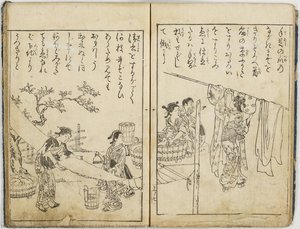
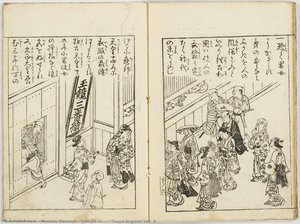
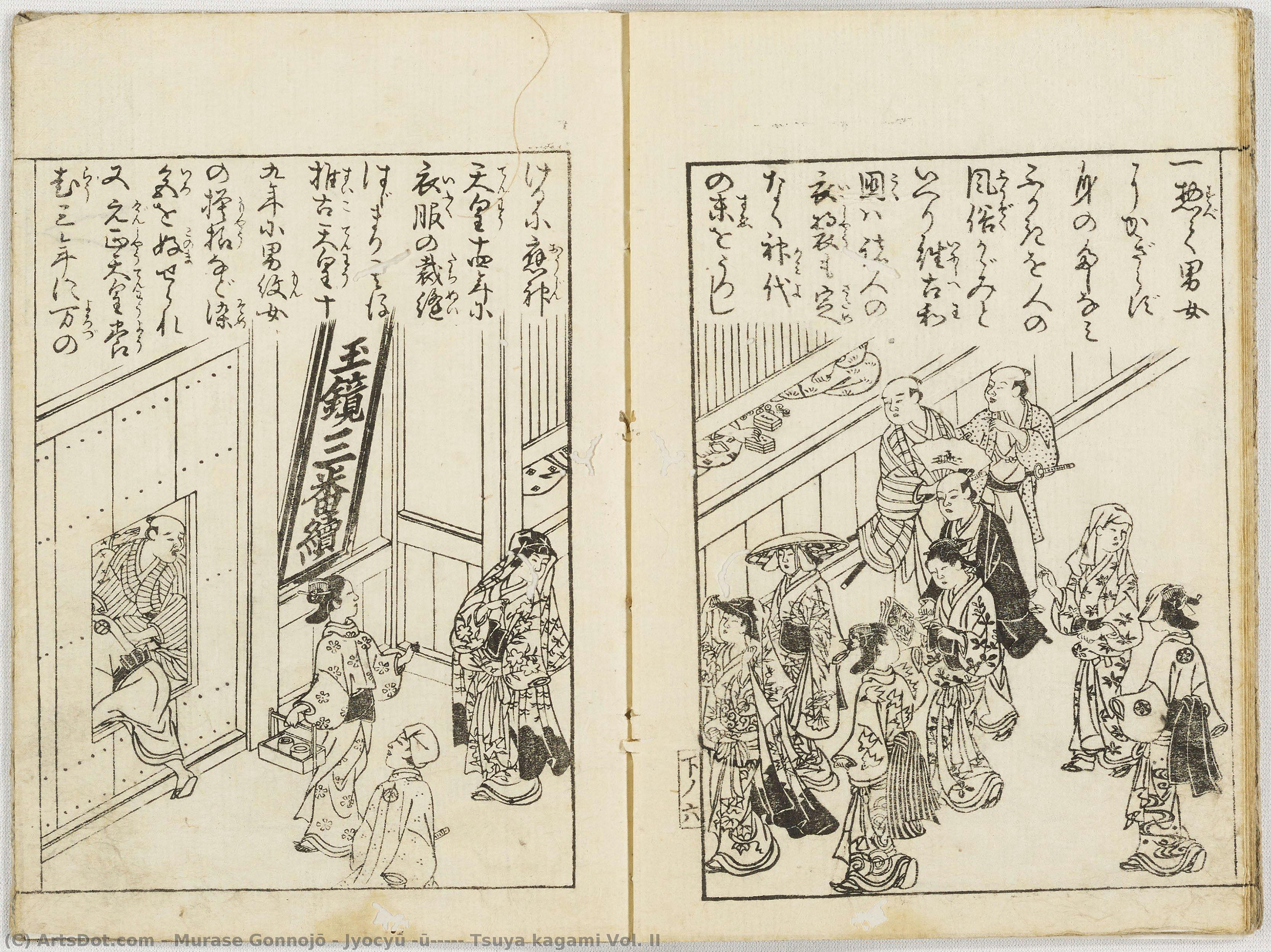
Jyocyū Fūhzoku Tsuya kagami Vol. II
 23.0 x 16.0 cm
 Kyoto Prefectural Library and Archives
 Read More
Giclée / Art Print
Museum-quality giclée or canvas print with fast production and flexible finish options. ( Buy Hand Made Painting Buy Image)




































Pick from our preset sizes that match the artwork's original proportions.

You may enter your own dimensions to fit a specific frame or space. If your selected size does not match the original image's proportions, we will either crop the artwork or extend the image with a mirrored or solid-fill edge. A digital mockup will be sent for your approval before production begins.
Please note that the on-screen preview does not reflect the actual cropping or extension. Only the mockup will accurately show the final composition.
While custom sizes are available, we recommend selecting a dimension from the predefined list to preserve the original proportions.
Worldwide Delivery () in 2 weeks instead of standard 4/5 weeks. (1 September)

Free Worldwide Express Shipping

High-Quality Linen Canvas

Full Shipping Insurance

Customs Tax Refund Guarantee

True Color Matching Guarantee

60-Day Return Policy (Defects Only)

100% Money-Back Guarantee

Bulk Discount Offer
 Glass option is only available in size under 110 CM

Jyocyū Fūhzoku Tsuya kagami Vol. II
Giclée / Art Print
Reproduction Size
-


Total Price
$ 63
Related Artworks









Artist Biography
The Soul of the Edo Period: The Life and Art of Murase Gonnojō
In the vibrant, bustling heart of Japan’s Edo period, a time of profound cultural flourishing and urban refinement, there emerged a voice both literary and visual that captured the ephemeral beauty of daily life. Murase Gonnojō, also known by his artistic moniker Ejima Kiseki, was a master of nuance whose work bridged the gap between the written word and the painted image. Born in the historic city of Kyoto around 1666, Gonnojō lived through an era where the rise of the merchant class fueled a new appetite for art that celebrated the pleasures, landscapes, and social intricacies of Japanese society. His life, spanning from the late seventeenth century to his passing in 1735, was deeply embedded in the artistic currents of Kyoto, a city that served as the cultural soul of Japan.
The artistry of Murase Gonnojō is most profoundly felt through his mastery of woodblock prints and ink painting. His work does not merely depict scenes; it breathes life into them. Through the delicate application of ink and the precise carving of woodblocks, he captured the grace of Japanese women, the serene majesty of sweeping landscapes, and the intimate, often fleeting moments of everyday existence. There is a rhythmic quality to his compositions, a sense of movement that suggests the rustle of silk or the gentle breeze through a bamboo grove. His ability to weave narrative depth into visual form allowed him to explore themes of fūzoku—the customs and manners of the people—with an intimacy that resonated deeply with his contemporaries.
A Legacy Carved in Wood and Ink
The technical brilliance of Gonnojō’s work is perhaps best exemplified in his celebrated series, which remain vital treasures in collections such as the Kyoto Prefectural Library and Archives. Notable works include:
- Jyocyū Fūhzoku Tsuya Kagami (Vol. II): A masterful woodblock print that serves as a reflective mirror of contemporary customs and elegance.
- Onna Fūhzoku Tama Kagami (Vol. I): An exquisite exploration of feminine beauty and the social graces of the era.
While his primary medium was the traditional woodblock, his spirit prefigured the expressive freedom found in later movements. Though often associated with the established traditions of his time, his emphasis on the artist's unique vision echoes the sentiments of the sōsaku-hanga movement, where the creator acts as the sole architect of self-expression. This dedication to a personal aesthetic allowed him to transcend mere documentation, turning his prints into poetic meditations on the Japanese identity.
Influence and Enduring Significance
The ripples of Murase Gonnojural’s influence extended far beyond his own lifetime, touching the hands of the masters who followed him. The stylistic foundations he laid—the delicate balance of line, the evocative use of negative space, and the celebration of cultural motifs—provided a fertile ground for legendary artists such as Suzuki Harunobu and Utagawa Kuniyoshi. His ability to elevate the "floating world" into a realm of high art helped shape the trajectory of Japanese printmaking for generations.
Today, the legacy of Murase Gonnojō stands as a testament to the enduring power of the Edo period's aesthetic spirit. His works are more than historical artifacts; they are windows into a lost world of refinement and grace. For art lovers and historians alike, exploring his oeuvre is an invitation to rediscover the delicate textures of Japanese history, preserved forever in the timeless elegance of his ink and wood.
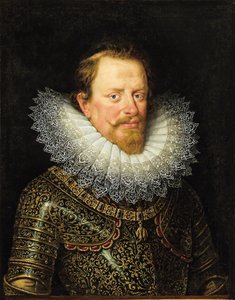
murase gonnojō
1666 - 1735 , Japan
Quick Facts
- Artistic Movement Or Style: Woodblock prints and ink painting
- Artists Or Movements Influenced By This Artist:
- Suzuki Harunobu
- Utagawa Kuniyoshi
- Date Of Birth: 1666
- Date Of Death: July 20, 1735
- Full Name: Murase Gonnojō
- Nationality: Japanese
- Notable Artworks:
- Jyocyū fūhzoku tsuya kagami vol. ii
- Onna fūhzoku tama kagami vol. i
- Place Of Birth: Kyoto, Japan