 Send
Send Share
Share
 Details

 Download
 Similars
 Diaporama
Project of hearse vehicle


 Read More
Giclée / Art Print
Museum-quality giclée or canvas print with fast production and flexible finish options. ( Buy Hand Made Painting Buy Image)




































Pick from our preset sizes that match the artwork's original proportions.

You may enter your own dimensions to fit a specific frame or space. If your selected size does not match the original image's proportions, we will either crop the artwork or extend the image with a mirrored or solid-fill edge. A digital mockup will be sent for your approval before production begins.
Please note that the on-screen preview does not reflect the actual cropping or extension. Only the mockup will accurately show the final composition.
While custom sizes are available, we recommend selecting a dimension from the predefined list to preserve the original proportions.
Worldwide Delivery () in 2 weeks instead of standard 4/5 weeks. (24 August)

Free Worldwide Express Shipping

High-Quality Linen Canvas

Full Shipping Insurance

Customs Tax Refund Guarantee

True Color Matching Guarantee

60-Day Return Policy (Defects Only)

100% Money-Back Guarantee

Bulk Discount Offer
 Glass option is only available in size under 110 CM

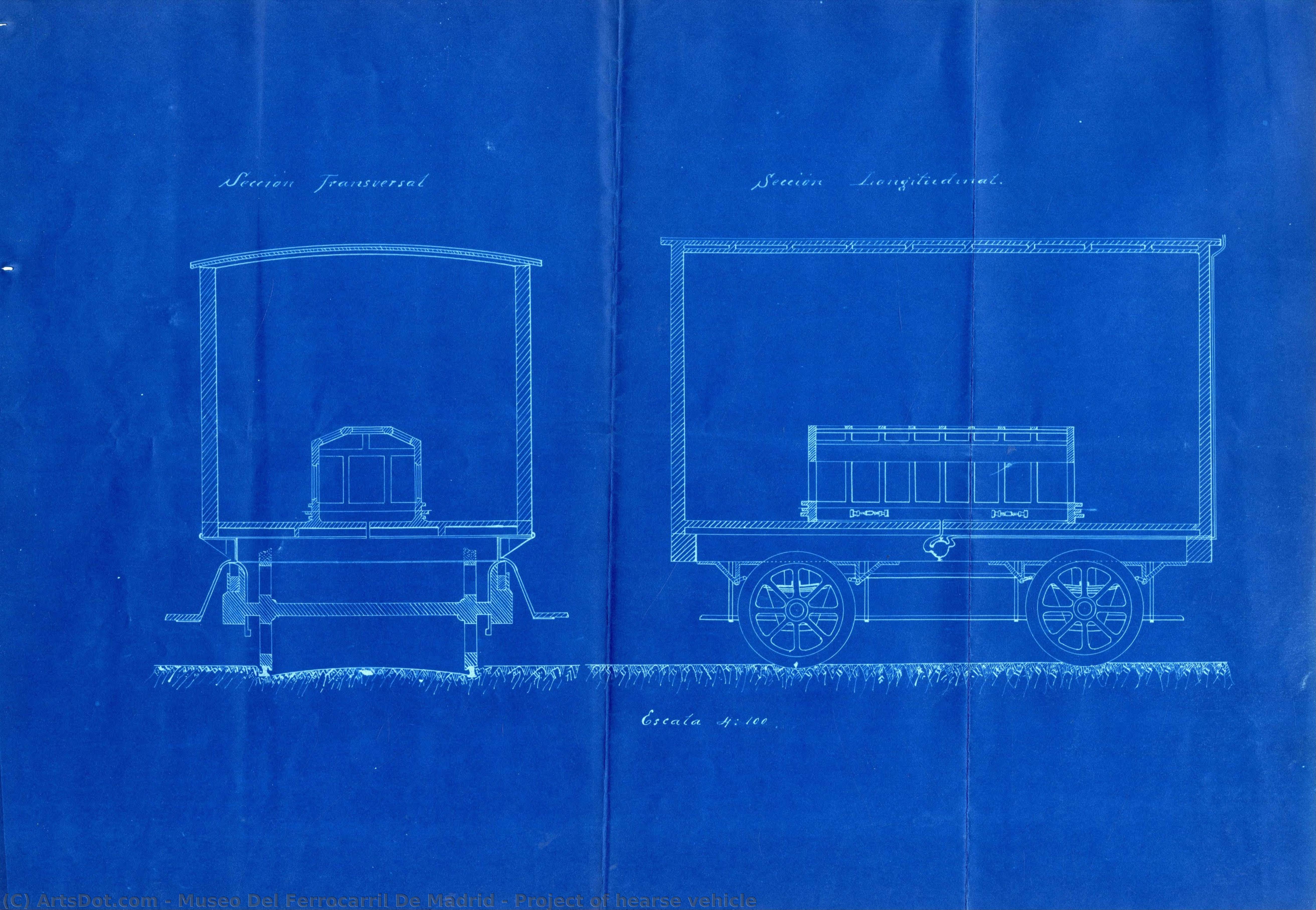
Project of hearse vehicle
Giclée / Art Print
Reproduction Size
-


Total Price
$ 63
Collectible Description
A Haunting Vision in Blue: The Project of Hearse Vehicle
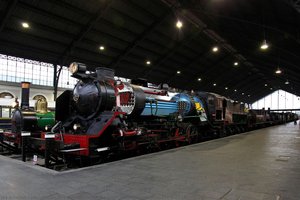
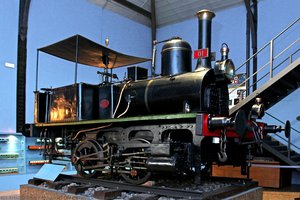
In the quiet, monochromatic depths of this evocative blue photograph, we encounter a scene that blurs the line between industrial history and surrealist dreamscape. The Project of Hearse Vehicle presents us with a hauntingly beautiful glimpse into a bygone era, captured through a lens that feels both archival and otherworldly. At its heart lies a train car, an old model of iron and steam, pulling two carts along tracks that seem to disappear into the misty unknown. The presence of a coffin within one of these carts immediately shifts the narrative from mere mechanical documentation to a profound meditation on mortality and the passage of time. This is not simply a record of railway engineering; it is a visual poem about the final journey.
The stylistic choice of a blue-toned palette imbues the entire composition with a sense of melancholy and nostalgia. This monochromatic approach strips away the distractions of color, forcing the viewer to focus on the textures of rusted metal, the stark silhouettes of the train cars, and the ethereal atmosphere that surrounds the scene. The technique creates a dreamlike quality, where the boundaries between reality and memory become porous. For collectors of fine art photography or those looking to introduce a sense of contemplative depth into a modern interior, this piece offers a sophisticated way to evoke emotion through subtle tonal shifts and historical weight.
Symbolism and the Industrial Ghost
Beyond its surface-level subject matter, the artwork is rich with symbolic layers that resonate deeply with the human experience. The train, often a symbol of progress, connectivity, and the relentless forward motion of civilization, is here repurposed for a much more somber task. This juxtaposition creates a powerful tension: the machine built for movement becomes a vessel for the stationary state of death. The inclusion of clocks—one perched near the top left and another toward the bottom right—serves as a poignant memento mori, reminding us that time is the ultimate conductor of our lives. These temporal markers frame the scene, suggesting that while the tracks may continue, the journey of the individual eventually reaches its terminus.
The presence of figures within this ghostly landscape adds a layer of human connection to the mechanical coldness. The people scattered throughout the frame—standing near the center, on the periphery, and slightly above the middle—act as witnesses to this industrial ritual. Their placement creates a sense of scale and depth, yet their stillness mirrors the stillness of the coffin itself. For an interior designer, this piece serves as a profound focal point, capable of anchoring a room with its heavy themes of legacy and the cyclical nature of life and death.
A Legacy Preserved for the Modern Collector
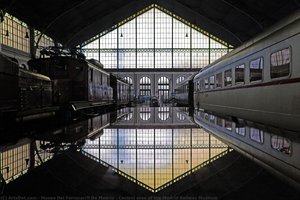
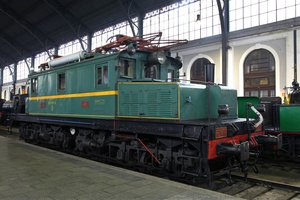
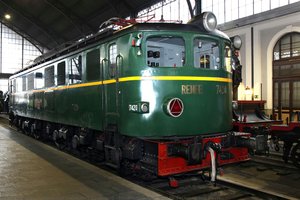
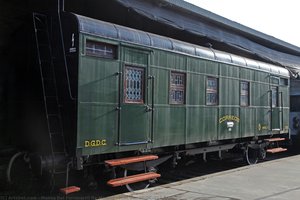
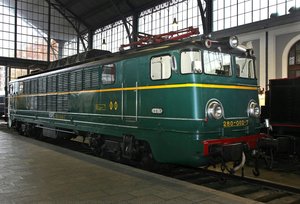
Originating from the historical context of the Museo del Ferrocarril de Madrid, this image carries the weight of Spanish industrial heritage. The museum itself, housed in the magnificent Las Delicias Train Station, is a sanctuary for the relics of the steam age, and this photograph feels like an extension of that preservationist spirit. It captures the essence of a time when technology was not just functional but possessed a certain romantic, even gothic, grandeur.
Owning a high-quality reproduction of such a piece allows one to bring a fragment of this industrial soul into a contemporary living space. Whether placed in a study, a gallery, or a sophisticated lounge, the Project of Hearse Vehicle invites conversation and introspection. It is an ideal acquisition for those who appreciate art that challenges the eye and touches the soul, offering a timeless aesthetic that transcends mere decoration to become a piece of historical storytelling.
Related Artworks

Artist Biography
Museo del Ferrocarril de Madrid: A Legacy of Steam and Spanish Industrial Heritage
The Museo del Ferrocarril de Madrid, nestled within the beautifully restored Las Delicias Train Station – a testament to Madrid’s architectural grandeur from the late 19th century – stands as more than just a repository of locomotives and carriages; it embodies the spirit of Spain's burgeoning industrial revolution. Established in 1967 with an initial aim of preserving railway relics, its relocation to the station in 1984 cemented its role as a pivotal institution dedicated to documenting and celebrating the transformative impact of railways on Spanish society and culture.- Origins & Founding Vision: The museum’s genesis stemmed from the foresight of railway enthusiasts who recognized the urgent need for safeguarding Spain's locomotive heritage. Recognizing that many machines were dismantled or neglected, they envisioned a space where these artifacts could be meticulously cared for and made accessible to future generations.
- Las Delicias Station: A Symbolic Home: Choosing Las Delicias Station was deliberate – it served as Madrid’s principal terminus during the Belle Époque, representing the zenith of railway travel and commerce. The station itself underwent a comprehensive renovation project, mirroring the museum's commitment to preserving architectural history alongside mechanical marvels.
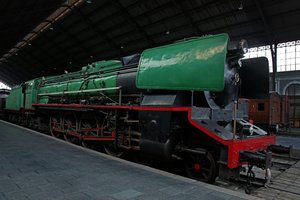
- Collection Highlights: Today, the Museo del Ferrocarril boasts an impressive collection encompassing locomotives from various eras – including early steam engines and more modern diesel locomotives – alongside passenger carriages that chronicle the evolution of railway travel. Notably featured are pieces like Saxby & Farmer interlocking, Steam locomotive 231-2006 and Untitled.
Influences and Artistic Style
The museum’s aesthetic is rooted in a fascination with industrial history and craftsmanship. The curators prioritize meticulous documentation—photographs, diagrams, and detailed descriptions accompany each exhibit—reflecting the scientific spirit of the time. Furthermore, the presentation emphasizes tactile engagement; visitors can examine engine components and explore interactive displays that illuminate the mechanics of railway operation. This approach distinguishes itself from purely decorative art forms, prioritizing factual accuracy alongside visual appeal.- Documentation as Art: The meticulous recording of locomotive history—the painstaking reconstruction of their operational processes—represents a form of artistic endeavor in itself. It’s an attempt to capture not merely the appearance of these machines but also their significance within broader societal contexts.
- Emphasis on Materiality: Unlike paintings or sculptures focused on idealized beauty, the museum's exhibits celebrate the tangible qualities of railway technology—the ironwork, the pistons, the gauges. This deliberate focus on materiality underscores the importance of understanding how objects contribute to shaping our perception of history.
Educational Programs and Exhibitions
Recognizing the museum’s role as a conduit for knowledge dissemination, it actively engages visitors through educational programs designed for schoolchildren and adults alike. These initiatives delve into topics ranging from railway engineering to the social impact of railways on urban development and migration patterns. Temporary exhibitions regularly showcase new discoveries related to Spanish railway history—often incorporating multimedia elements that enhance visitor comprehension.Historical Significance
The Museo del Ferrocarril de Madrid transcends its function as a museum; it serves as a crucial reminder of Spain’s industrial past and its contribution to global technological advancement. By preserving these relics of engineering ingenuity, the institution ensures that future generations appreciate the transformative power of innovation and recognize the enduring legacy of railways in shaping the nation's identity. Its location within Las Delicias Station—a landmark of Madrid’s architectural heritage—further reinforces this connection between art, history, and cultural memory.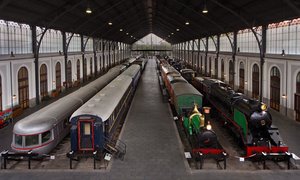
Quick Facts
- Artistic Movement Or Style: Contemporary
- Full Name: Museo del Ferrocarril de Madrid
- Nationality: Spanish
- Notable Artworks:
- Saxby & Farmer interlocking
- Untitled
- Steam locomotive 231-2006
- Place Of Birth: Madrid, Spain
Related Articles
Slate Blue Masterpieces: 10 Iconic Paintings & Timeless Home Decor Ideas
Immerse yourself in the captivating world of slate blue! Explore 10 iconic paintings by Monet, Van Gogh & Renoir. Discover their stories, techniques & find museum-quality art reproductions for your home at .
The Allure of Azure: Exploring the Symbolic & Aesthetic Depths of Blue in Art History
Explore the rich history of blue in art! Discover its symbolism, from ancient pigments to modern masterpieces by Kandinsky & Seurat. Uncover the psychological impact and cultural meanings behind this captivating hue.
Azure Visions: Exploring Representations of the Blue Dress in Western Art History
Explore the rich history of the blue dress in Western art! Discover its symbolism, from Renaissance masterpieces to modern interpretations by artists like Martin & Schiele. Uncover cultural meanings and artistic techniques.
Echoes of Time: Nostalgia, Technique & Cultural Significance in Vintage Paintings
Explore the captivating world of vintage paintings! Discover key styles, cultural significance & collecting tips from art experts at ArtsDot. Find authentic reproductions and elevate your home décor.
Echoes of Time: Exploring the Enduring Appeal of Vintage Artwork
Explore the captivating world of vintage art! Discover its history, enduring appeal, & how to build your own collection. Expert advice, custom reproductions & museum-quality prints at ArtsDot.