

 Preview
 Send
Send Share
Share
 Details

 Download
 Similars
 X-Ray
X-Ray Diaporama
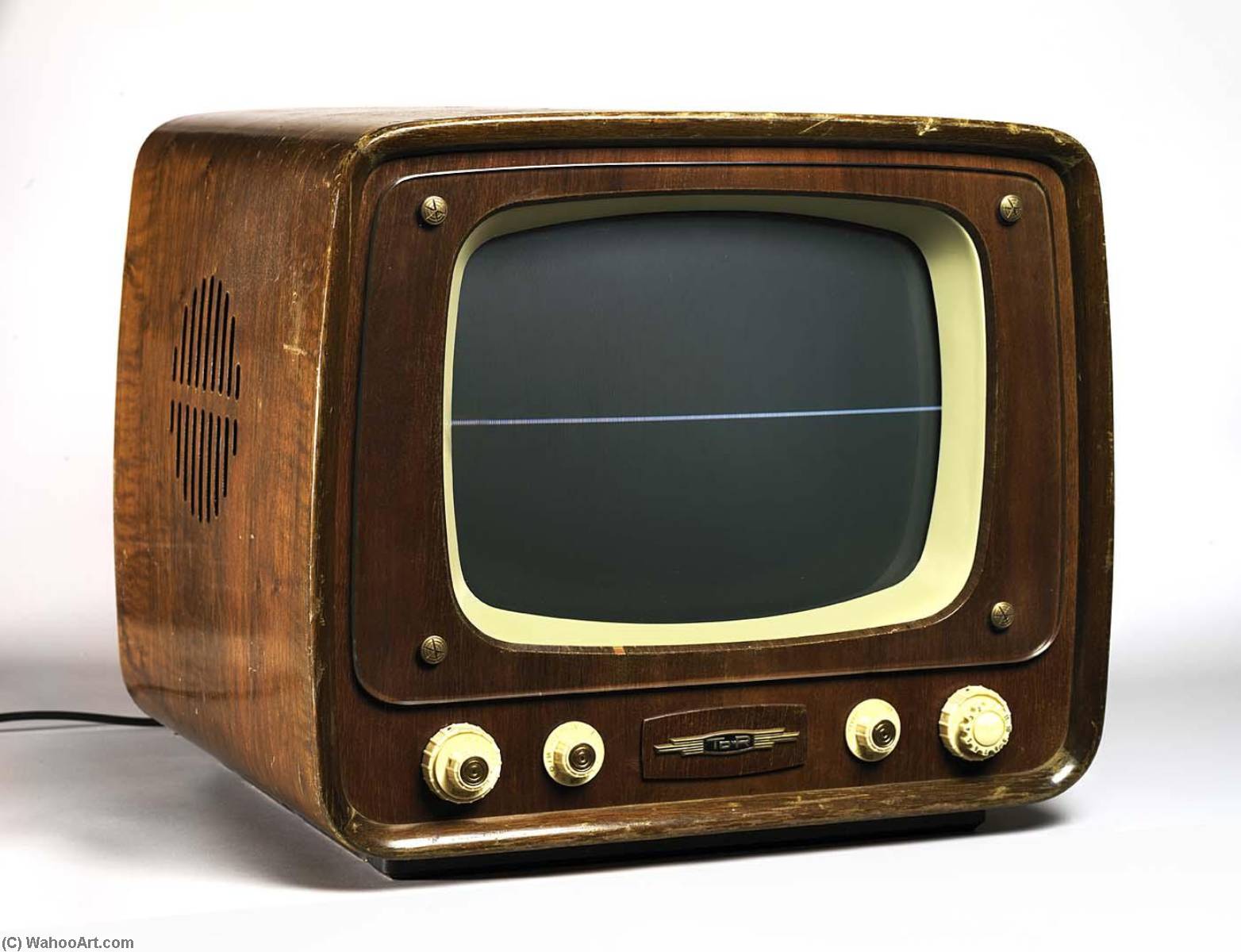
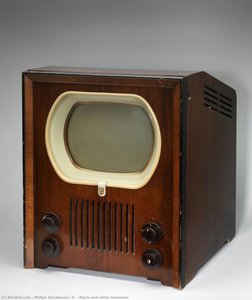
Zen for TV


 Read More
Purchase a high-resolution, enhanced digital image, far superior to the online preview.
Each file is meticulously prepared by our in-house specialists using advanced tools and expert manual retouching. We ensure every image has exceptional clarity, precise color accuracy, and fine detail.
The final file is delivered via email within 72 hours, optimized for immediate use in professional, editorial, and print environments. This is the same quality trusted by top-tier design studios, publishers, and galleries.
Digital Image
Download a high-resolution file for personal display, printing, and creative projects. ( Buy Print Buy Hand Made Painting)
Included in Every Digital Image Order
Expert Digital Delivery, Guaranteed
When you choose ArtsDot.com, you're not just getting an image - you're receiving a professionally enhanced digital artwork, crafted with precision and backed by a satisfaction guarantee. Here's everything that comes with your order, automatically:

Fast Email Delivery
Your high-resolution digital image file will be emailed to you within 72 hours of ordering - ready for immediate use.

AI-Enhanced Digital File
Your artwork is professionally optimized using advanced AI tools and manual editing, ensuring maximum detail, clarity, and color accuracy.

Free Lifetime Re-Delivery
Accidentally deleted or lost your file? No worries - we'll resend it to you anytime, free of charge.

No Import Fees - Ever
Enjoy your artwork instantly with zero customs, duties, or delivery fees - digital downloads are always tax-free.

Color Accuracy Guarantee
We ensure your digital image reflects the original colors as closely as possible using professional tools and color management.

60-Day Satisfaction Guarantee
If you're not satisfied with your digital image, we'll revise it or refund 100% within 60 days - no questions asked.

100% Money-Back Guarantee
Not satisfied? Get a full refund within 60 days of receiving your digital file - no questions asked.

Bulk Order Discounts
Buy 3 images, save 10% - Buy 5, save 15% - Buy 10+, save 20%. Great for creative projects, galleries, and agencies.
Related Artworks

Artist Biography
A Pioneer of the Electronic Landscape
Nam June Paik, a name synonymous with the birth of video art, was more than just an artist; he was a visionary who foresaw and then sculpted the burgeoning relationship between humanity and technology. Born in Seoul, Korea, in 1932, his life unfolded against a backdrop of immense geopolitical shifts – from the turmoil of the Korean War to the rise of global communication networks. This context profoundly shaped his artistic trajectory, fueling a relentless exploration of how electronic media could redefine perception, challenge convention, and ultimately, connect us all. Paik’s early life was steeped in privilege; his father owned a successful textile firm, affording him classical piano training from a young age – a discipline that instilled within him a deep understanding of structure, harmony, and the power of performance. However, the outbreak of the Korean War irrevocably altered this trajectory, forcing his family into exile, first to Hong Kong and then Japan. This displacement wasn’t merely a personal hardship; it was an awakening to the fragility of culture and the transformative potential of communication in a rapidly changing world.From Fluxus Provocations to Electronic Experimentation
Paik's intellectual journey continued with studies at the University of Tokyo, where he penned a thesis on Arnold Schoenberg, revealing an early fascination with avant-garde composition and its disruption of traditional forms. He then moved to West Germany, immersing himself in the burgeoning European art scene and studying music history at Munich University. It was here that his path converged with key figures who would profoundly influence his artistic development: Karlheinz Stockhausen, John Cage, George Maciunas, Joseph Beuys, and Wolf Vostell. This encounter led to his involvement with Fluxus in 1962, a radical art movement that championed conceptualism, chance operations, and the integration of everyday life into artistic practice. Paik’s early performances were often deliberately provocative, challenging audiences and blurring the boundaries between art and reality. A notorious incident involved disrupting a piano recital by attacking fellow artists – a gesture emblematic of Fluxus's rejection of established norms. However, it was his experimentation with television that truly set him apart. In 1963, at "Exposition of Music-Electronic Television" in Wuppertal, Germany, Paik began manipulating televisions using magnets, creating distorted and mesmerizing images – a pivotal moment marking the genesis of video art. This exploration wasn’t simply about altering an image; it was about deconstructing the very medium itself, revealing its inherent plasticity and potential for artistic expression. Collaborating with engineers Hideo Uchida and Shuya Abe, he developed the Abe-Paik Video Synthesizer, a crucial tool that allowed him to manipulate video signals in unprecedented ways, laying the groundwork for his future innovations.Collaboration, Performance, and the Expanding Canvas
A defining chapter in Paik’s artistic life was his collaboration with cellist Charlotte Moorman. Their partnership transcended conventional boundaries, resulting in groundbreaking performance pieces that fused music, video, and sculpture. Perhaps their most iconic creation was "TV Cello" (1971), a work featuring televisions arranged in the shape of a cello, blurring the lines between instrument and image. These performances were often daring and politically charged, pushing societal limits and occasionally leading to arrests – notably during “Opéra Sextronique” (1967). The introduction of Sony’s Portapak in 1965 proved revolutionary, granting Paik unprecedented mobility and control over video recording. He could now capture images outside the studio, transforming everyday life into raw artistic material. This newfound freedom allowed him to explore themes of identity, communication, and the impact of mass media on society with greater immediacy and intimacy. It was during this period that he coined the term “electronic superhighway,” a prescient vision anticipating the interconnectedness of global telecommunications networks – a concept that would later become synonymous with the "information superhighway."Legacy and Enduring Influence
Paik’s artistic output extended far beyond performance and early video installations. Works like “Electronic Superhighway” (1974), a sprawling multimedia installation, visually mapped out the potential for global communication, while “TV Buddha” (1974 onwards) – featuring a Buddha statue contemplating its own image on a closed-circuit television – offered a poignant meditation on self-reflection and the pervasive influence of technology. "Media Shuttle: New York - Moscow" (1978), created with Dimitri Devyatkin, used video to compare life in two vastly different cities during the Cold War, highlighting both commonalities and contrasts. Nam June Paik’s contribution to art history is immeasurable. He didn't merely adopt television as a medium; he transformed it into an artistic tool, challenging its passive nature and unlocking its potential for creative expression. His work anticipated many aspects of our technologically mediated world, solidifying his place as one of the most influential artists of the 20th century. He paved the way for countless artists working with digital media, video installations, and interactive technologies, leaving behind a legacy that continues to inspire and provoke thought in an increasingly interconnected age. His vision wasn’t simply about predicting the future; it was about actively shaping it through art – a testament to his enduring power and relevance.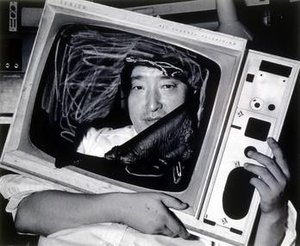
Nam June Paik
1932 - 2006 , South Korea
Quick Facts
- Artistic Movement Or Style: Video Art, Fluxus
- Artists Or Movements Influenced By This Artist: Digital Art, Video Installation
- Artists Who Influenced This Artist:
- John Cage
- Karlheinz Stockhausen
- Joseph Beuys
- Date Of Birth: 1932
- Date Of Death: 2006
- Full Name: Nam June Paik
- Nationality: Korean American
- Notable Artworks:
- Zen for TV
- Megatron Matrix
- T.V. Clock
- Electronic Superhighway
- TV Buddha
- Place Of Birth: Seoul, South Korea

