

 Preview
 Send
Send Share
Share
 Details

 Download
 Similars
 X-Ray
X-Ray Diaporama
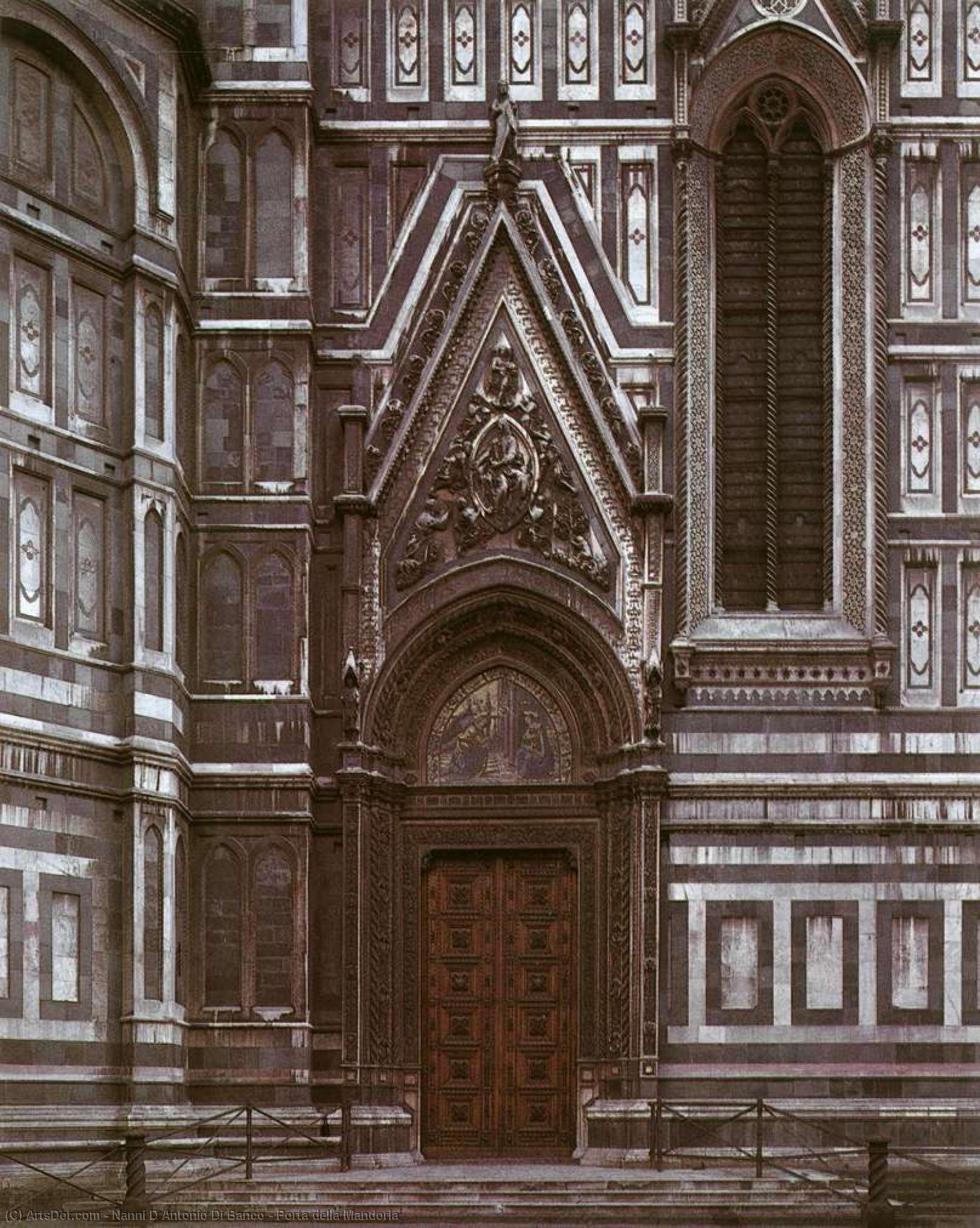
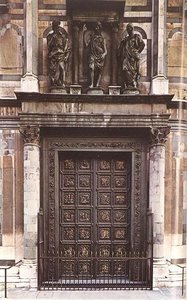
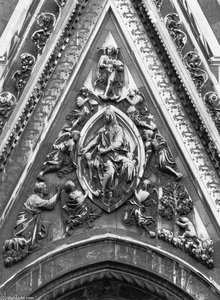
Porta della Mandorla


 Read More
Purchase a high-resolution, enhanced digital image, far superior to the online preview.
Each file is meticulously prepared by our in-house specialists using advanced tools and expert manual retouching. We ensure every image has exceptional clarity, precise color accuracy, and fine detail.
The final file is delivered via email within 72 hours, optimized for immediate use in professional, editorial, and print environments. This is the same quality trusted by top-tier design studios, publishers, and galleries.
Digital Image
Download a high-resolution file for personal display, printing, and creative projects. ( Buy Print Buy Hand Made Painting)
Included in Every Digital Image Order
Expert Digital Delivery, Guaranteed
When you choose ArtsDot.com, you're not just getting an image - you're receiving a professionally enhanced digital artwork, crafted with precision and backed by a satisfaction guarantee. Here's everything that comes with your order, automatically:

Fast Email Delivery
Your high-resolution digital image file will be emailed to you within 72 hours of ordering - ready for immediate use.

AI-Enhanced Digital File
Your artwork is professionally optimized using advanced AI tools and manual editing, ensuring maximum detail, clarity, and color accuracy.

Free Lifetime Re-Delivery
Accidentally deleted or lost your file? No worries - we'll resend it to you anytime, free of charge.

No Import Fees - Ever
Enjoy your artwork instantly with zero customs, duties, or delivery fees - digital downloads are always tax-free.

Color Accuracy Guarantee
We ensure your digital image reflects the original colors as closely as possible using professional tools and color management.

60-Day Satisfaction Guarantee
If you're not satisfied with your digital image, we'll revise it or refund 100% within 60 days - no questions asked.

100% Money-Back Guarantee
Not satisfied? Get a full refund within 60 days of receiving your digital file - no questions asked.

Bulk Order Discounts
Buy 3 images, save 10% - Buy 5, save 15% - Buy 10+, save 20%. Great for creative projects, galleries, and agencies.
Collectible Description
Nanni di Banco: Bridging Gothic Echoes with Renaissance Vision
Giovanni di Antonio di Banco, universally known as Nanni di Banco (c. 1380 – 1421), stands as a pivotal figure in the nascent Florentine Renaissance—a sculptor who skillfully navigated the fading grandeur of Gothic tradition while simultaneously embracing the burgeoning humanist ideals reshaping his city’s artistic landscape. Unlike contemporaries like Donatello, whose dynamism captivated audiences with bold experimentation, Nanni’s contribution lay in synthesizing these opposing forces, resulting in artworks imbued with a quiet dignity and profound naturalism that distinguished them from their time.
Born around 1380 in Florence, Nanni’s formative years unfolded within the vibrant crucible of the Florentine workshop culture. His father, Antonio di Banco—a respected stonemason and architect—was deeply involved in the ambitious undertaking of constructing the Florence Cathedral (Duomo), providing Nanni with invaluable familial guidance and access to the very epicenter of Florentine artistic production. This grounding in established craftsmanship ensured that Nanni absorbed the stylistic conventions prevalent during his youth, mirroring the prevailing aesthetic sensibilities while simultaneously witnessing the stirrings of a transformative era.
His training likely commenced within the workshop of Lorenzo di Filippo Brunelleschi and Giovanni d’Ambrogio—masters who spearheaded the initial phase of Duomo decoration. These formative experiences instilled in Nanni a deep understanding of Gothic architectural principles, particularly evident in the soaring arches and intricate stonework characteristic of Florentine churches. Simultaneously, he absorbed influences from classical Roman sculpture, recognizing its emphasis on idealized forms and harmonious proportions – elements that would soon become integral to his artistic idiom.
The Quattro Coronati: A Synthesis of Styles
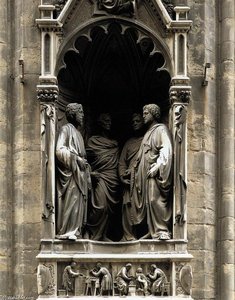
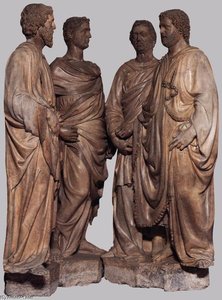
Perhaps Nanni’s most celebrated achievement is the magnificent quartet of alabaster medallions known as the *Quattro Coronati*, commissioned for the Cappella Maggiore of Santa Maria del Fiore. These sculptures represent the Evangelists Matthew, Mark, Luke and John—figures revered in Christian iconography—and exemplify Nanni's masterful fusion of Gothic drapery patterns with classical sculptural techniques. The drapery folds are rendered with meticulous detail, capturing the subtle nuances of fabric texture and movement—a hallmark of Gothic art—yet they adhere to the idealized proportions favored by Renaissance sculptors.
The Quattro Coronati serve as a testament to Nanni’s ability to transcend stylistic boundaries, demonstrating that artistic innovation doesn't necessarily necessitate abandoning established traditions. Instead, it involves reimagining them through a new lens—one informed by humanist ideals and enriched by the rediscovery of classical antiquity.
Porta della Mandorla: A Masterpiece of Naturalism
Nanni’s enduring legacy rests primarily on his monumental sculpture for the Porta della Mandorla, the northern door of Florence Cathedral. Initiated in 1391 and completed around 1421—after Nanni's untimely death—this ambitious project represents a cornerstone of Florentine Renaissance art. The relief depicts Jesus Christ holding the Virgin Mary’s hand as he descends from Heaven, symbolizing the Ascension of Christ and commemorating the Miracle of Mercy.
Unlike many sculptures of his time that prioritized stylized representations and formal grandeur, Nanni achieved remarkable naturalism in this monumental work. He meticulously studied human anatomy—drawing inspiration from Roman sculpture—to capture the expressive gestures and subtle musculature of Christ’s figure with unprecedented accuracy. The drapery folds are rendered with painstaking detail, conveying a sense of weightlessness and movement that imbues the scene with palpable emotion.
The Porta della Mandorla stands as an unparalleled exemplar of Nanni di Banco's artistic vision—a testament to his unwavering commitment to humanist principles and his profound understanding of sculptural technique. It remains a source of inspiration for artists and collectors alike, embodying the harmonious blend of Gothic elegance and Renaissance naturalism that defines Florentine art’s transformative period.
Related Artworks
Artist Biography
A Florentine Bridge Between Worlds
Nanni di Banco, born in Florence around 1380, occupies a fascinating and pivotal position within the early Italian Renaissance. He wasn’t a revolutionary like Donatello, nor did he possess the dazzling technical virtuosity of Ghiberti, but his importance lies in his ability to synthesize the waning Gothic traditions with the burgeoning humanist ideals that were reshaping Florentine art. Details surrounding his early life remain somewhat elusive; however, it's clear he benefited from the vibrant artistic atmosphere of Florence and likely received his initial training within a local workshop, absorbing the prevailing stylistic conventions while simultaneously witnessing the stirrings of a new era. His father, Antonio di Banco, was himself a respected sculptor and stonemason involved in the construction of the Florence Cathedral, providing Nanni with both familial guidance and access to the heart of Florentine artistic production. This grounding in traditional craftsmanship would prove crucial as he navigated the transition towards a more classical aesthetic.The Sculptural Language of Transition
Di Banco’s style represents a delicate balance between the elegance of late Gothic sculpture and the emerging naturalism that characterized the Renaissance. While influenced by the International Gothic style—evident in his refined drapery and attention to detail—he increasingly incorporated elements drawn from classical antiquity. This wasn't merely an imitation of ancient forms, but rather a thoughtful integration of classical principles into his work, striving for greater anatomical accuracy and a more convincing sense of three-dimensionality. He observed the Roman sculptures that were being rediscovered at the time, absorbing their emphasis on proportion, balance, and dignified composure. Unlike Donatello, who often imbued his figures with intense emotionality and dramatic expression, Di Banco favored a more restrained classicism. His figures possess a quiet dignity and serenity, reflecting a humanist ideal of rational order and harmonious beauty. This is not to say his work lacks individuality; on the contrary, he demonstrated a remarkable ability to imbue each figure with a distinct personality and character.Orsanmichele and Enduring Legacy
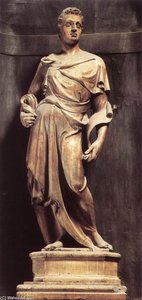
Nanni di Banco’s most celebrated achievement is undoubtedly the *Quattro Santi Coronati* (Four Crowned Martyrs), commissioned between 1412 and 1415 for the Orsanmichele church in Florence. This sculptural group, created for the stone carvers and woodworkers guild, stands as a testament to his skill and artistic vision. Each of the four figures – Saints Crispin, Crispianus, Dionysius, and Eustachius – possesses a unique personality and bears the marks of individual experience. The composition is remarkable not only for its naturalism but also for its complex construction as a unified ensemble; the saints are arranged in a harmonious grouping that conveys a sense of collective strength and spiritual conviction. Beyond Orsanmichele, Di Banco contributed to the *Porta della Mandorla* at the Florence Baptistery, working alongside other sculptors on this ambitious project. His panels depict scenes from the life of the Virgin Mary, showcasing his ability to narrate biblical stories with clarity and grace. Other notable works include sculptures of Saint Luke and Esaias, further demonstrating his mastery of form and expression.A Quiet Revolution
Nanni di Banco’s historical significance lies in his role as a crucial link between the Gothic past and the Renaissance future. He helped pave the way for later masters like Donatello and Michelangelo by establishing new standards for sculptural representation. His emphasis on naturalism, anatomical accuracy, and individualized portraiture challenged the conventions of medieval sculpture and anticipated the artistic achievements of the High Renaissance. Giorgio Vasari, in his seminal *Lives of the Most Excellent Painters, Sculptors, and Architects*, acknowledged Di Banco’s importance within the Florentine artistic tradition, recognizing his contribution to the evolving aesthetic landscape of the era. Though perhaps less celebrated than some of his contemporaries, Nanni di Banco remains a significant figure in Early Renaissance art—a sculptor who quietly but profoundly shaped the course of Western art history. His work embodies a spirit of thoughtful innovation and enduring beauty, continuing to inspire and captivate audiences centuries after its creation.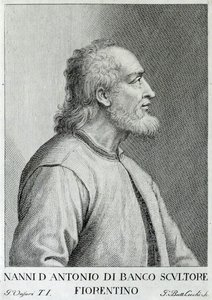
nanni d antonio di banco
1380 - 1421 , Italy
Quick Facts
- Artistic Movement Or Style: Early Renaissance
- Artists Or Movements Influenced By This Artist:
- Donatello
- Michelangelo
- Artists Who Influenced This Artist: ['International Gothic style']
- Date Of Birth: c. 1380
- Date Of Death: 1421
- Full Name: Nanni d'Antonio di Banco
- Nationality: Italian
- Notable Artworks:
- Quattro Santi Coronati
- Porta della Mandorla
- St. Luke
- Assumption of the Virgin
- Place Of Birth: Florence, Italy

