

 Preview
 Send
Send Share
Share
 Details

 Download
 Similars
 X-Ray
X-Ray Diaporama
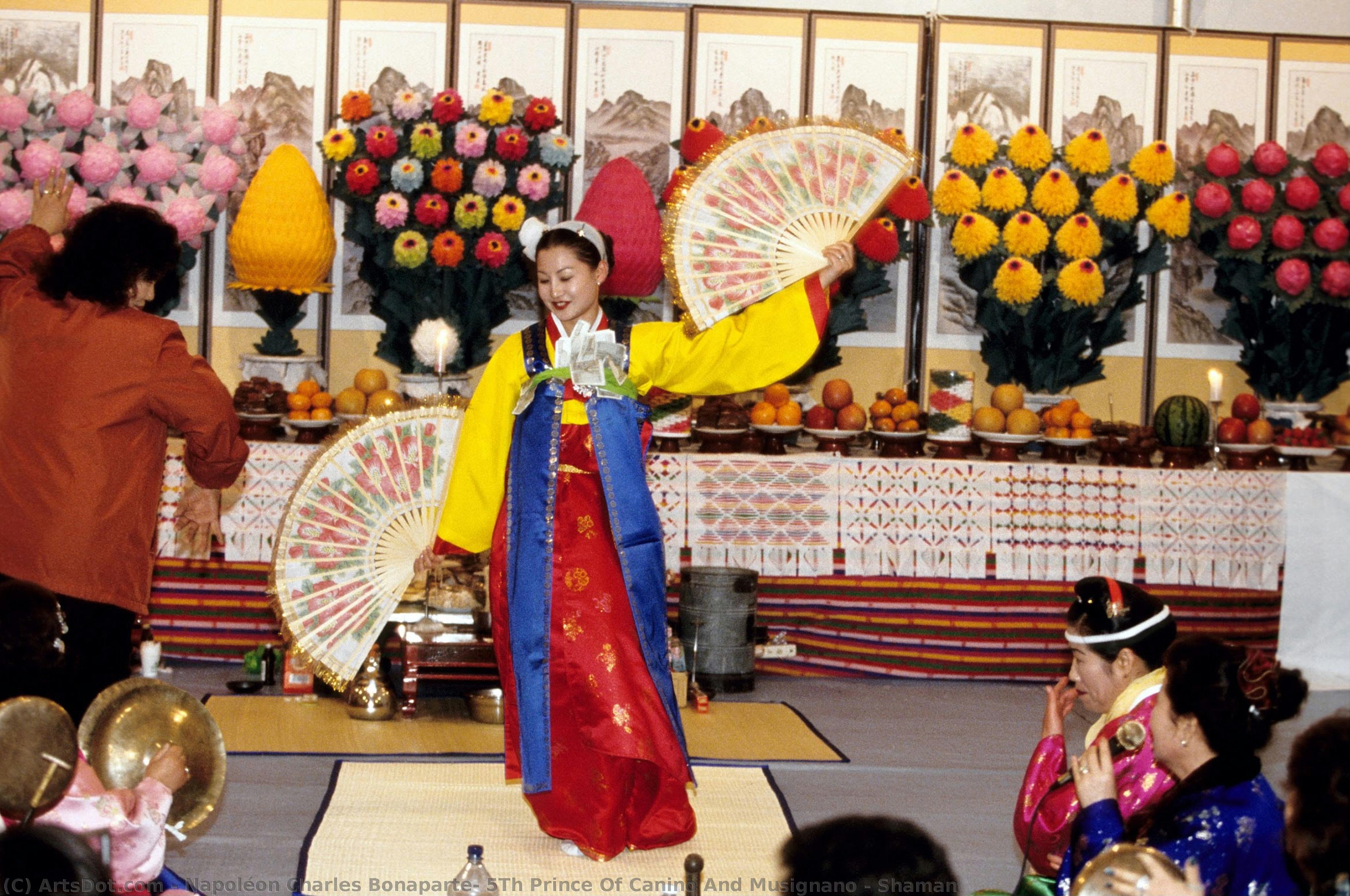
Shaman

 Read More
Purchase a high-resolution, enhanced digital image, far superior to the online preview.
Each file is meticulously prepared by our in-house specialists using advanced tools and expert manual retouching. We ensure every image has exceptional clarity, precise color accuracy, and fine detail.
The final file is delivered via email within 72 hours, optimized for immediate use in professional, editorial, and print environments. This is the same quality trusted by top-tier design studios, publishers, and galleries.
Digital Image
Download a high-resolution file for personal display, printing, and creative projects. ( Buy Print Buy Hand Made Painting)
Included in Every Digital Image Order
Expert Digital Delivery, Guaranteed
When you choose ArtsDot.com, you're not just getting an image - you're receiving a professionally enhanced digital artwork, crafted with precision and backed by a satisfaction guarantee. Here's everything that comes with your order, automatically:

Fast Email Delivery
Your high-resolution digital image file will be emailed to you within 72 hours of ordering - ready for immediate use.

AI-Enhanced Digital File
Your artwork is professionally optimized using advanced AI tools and manual editing, ensuring maximum detail, clarity, and color accuracy.

Free Lifetime Re-Delivery
Accidentally deleted or lost your file? No worries - we'll resend it to you anytime, free of charge.

No Import Fees - Ever
Enjoy your artwork instantly with zero customs, duties, or delivery fees - digital downloads are always tax-free.

Color Accuracy Guarantee
We ensure your digital image reflects the original colors as closely as possible using professional tools and color management.

60-Day Satisfaction Guarantee
If you're not satisfied with your digital image, we'll revise it or refund 100% within 60 days - no questions asked.

100% Money-Back Guarantee
Not satisfied? Get a full refund within 60 days of receiving your digital file - no questions asked.

Bulk Order Discounts
Buy 3 images, save 10% - Buy 5, save 15% - Buy 10+, save 20%. Great for creative projects, galleries, and agencies.
Related Artworks










Artist Biography
Napoléon Charles Bonaparte, 5th Prince of Canino & Musignano: A Pioneer of Napoleonic Symbolism
Napoléon Charles Bonaparte (1839 – 1899) stands as a singular figure in French art history—a descendant of Napoleon Bonaparte himself who achieved renown not for royal lineage but for his distinctive artistic vision. Born into the Bonaparte family’s waning influence, he navigated a turbulent era marked by political upheaval and familial discord, yet forged a path as a painter whose canvases captured the spirit of the Napoleonic age with remarkable sensitivity and symbolic depth. His oeuvre is primarily defined by two recurring motifs: “Lumberman” and “Shaman,” images that encapsulate his fascination with primal forces and spiritual contemplation—themes deeply rooted in Romanticism but imbued with a uniquely personal aesthetic.- Early Life & Family Background
- Military Service & Travels
- Artistic Development & Style
- Notable Works: Lumberman and Shaman
- Legacy & Historical Significance
Early Life & Family Background
Napoléon Jacques Bonaparte, as he was formally known, descended from Napoleon Bonaparte’s elder brother Lucien Bonaparte—a prominent figure in the Bourbon Restoration. Growing up amidst the grandeur and anxieties of aristocratic society in Rome, he received an education that fostered both intellectual curiosity and artistic inclination. His father, Charles Lucien Bonaparte, was a diplomat and scholar who instilled in his son a love for history and culture, shaping his worldview profoundly. Despite familial tensions surrounding inheritance disputes and political maneuvering, Napoléon Jacques’s upbringing provided him with the resources to pursue his passions independently.Military Service & Travels
Like many members of his family, Napoléon Jacques served in the French army during the Franco-Prussian War (1870–1871), demonstrating courage and commitment to duty. His military expeditions extended beyond France, taking him to Mexico where he participated in the siege of Veracruz—a formative experience that exposed him to diverse cultures and landscapes. These travels undoubtedly influenced his artistic sensibilities, fostering an appreciation for natural beauty and a fascination with ethnographic subjects.Artistic Development & Style
Bonaparte’s artistic style evolved throughout his career, reflecting the broader trends of Impressionism and Symbolism. Initially experimenting with plein air painting—a technique championed by Claude Monet and Pierre-Auguste Renoir—he gradually embraced a more expressive approach characterized by muted palettes and layered brushstrokes. However, he distinguished himself from many contemporaries through his unwavering focus on two recurring subjects: “Lumberman” and “Shaman.” These images weren’t merely depictions of individuals; they represented archetypal figures embodying primal energies and spiritual wisdom—concepts central to Romantic thought.Notable Works: Lumberman and Shaman
Bonaparte's paintings of "Lumberman" and "Shaman" are arguably his most celebrated achievements. These monumental canvases depict solitary men engaged in arduous labor amidst imposing natural settings—the lumberman wrestling with a felled tree, the shaman performing rituals under a starry sky. The artist meticulously rendered textures and colors to convey both physical exertion and spiritual transcendence. Recurring motifs of skulls and stylized figures underscore themes of mortality and transformation—elements characteristic of Romantic symbolism. His masterful execution captures not only visual beauty but also profound psychological insight.Legacy & Historical Significance
Napoléon Charles Bonaparte’s contribution to French art is significant, albeit understated compared to his familial connections. He stands as a testament to the enduring influence of Romantic ideals—particularly the fascination with mythic landscapes and spiritual contemplation—within the artistic landscape of the late 19th century. His distinctive style—marked by muted palettes and expressive brushstrokes—continues to inspire artists today. Furthermore, his exploration of archetypal figures speaks to universal human concerns about identity, purpose, and connection to nature—themes that resonate across cultures and generations. Through his evocative paintings, Napoléon Jacques Bonaparte cemented his place as a noteworthy artist who captured the spirit of an era while forging a personal artistic voice unlike any other.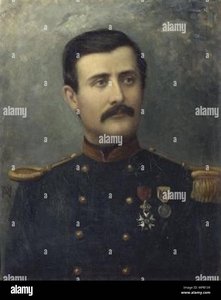
napoléon charles bonaparte, 5th prince of canino and musignano
1839 - 1899 , Italy
Quick Facts
- Artistic Movement Or Style: Napoleonic Art
- Date Of Birth: February 5, 1839
- Date Of Death: February 11, 1899
- Full Name: Napoléon Jacques Bonaparte
- Nationality: French
- Notable Artworks:
- Shaman
- Lumberman
- Place Of Birth: Rome, Italy

