 Preview
 Send
Send Share
Share
 Details

 Download
 Similars
 X-Ray
X-Ray Diaporama
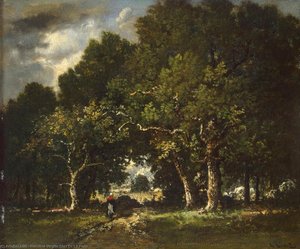
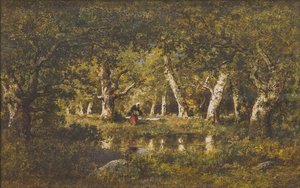
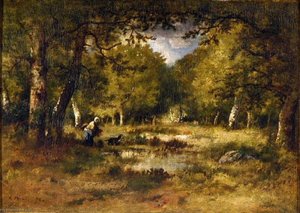
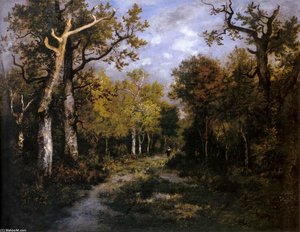
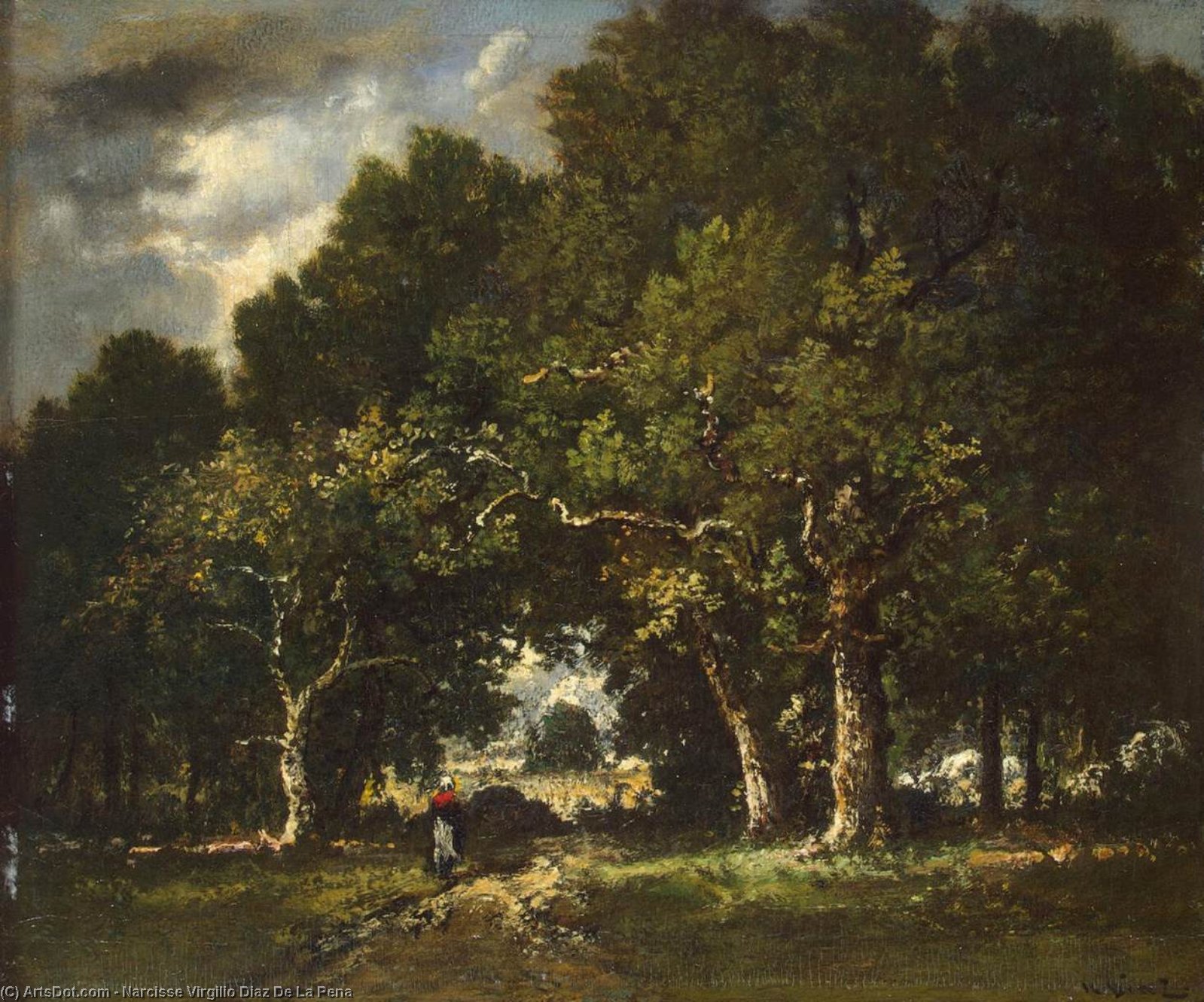
Road in the Wood
 Acrylic On Canvas
- WallArt
- Barbizon School
 1850
1850- 19th Century
 29.0 x 35.0 cm
 Hermitage Museum
 Read More
Hand Made Oil Reproduction
Hand-painted oil on canvas in your size and frame, made to order by our artists. ( Buy Print Buy Image)




P118B $10

P118H $10

P118W $10

P438Z $10

P508JH $12

P508YH $12

P805H $10

P805Z $10

P919BZ $10

P919G $10

P919XJ $10

P959ZH $10

P968JZ $12

W106C $8

W218G $10

W218JH $8

W218Y $10

W307PJ $10

W316G $10

W316PJ $8

W316Y $10

W398PJ $8

W4111J $10

W500HY $15

W500JH $15

W692G $12

W849H $8

W940BG $15

W953PJ $8




Pick from our preset sizes that match the artwork's original proportions.

You may enter your own dimensions to fit a specific frame or space. If your selected size does not match the original image's proportions, we will either crop the artwork or extend the painting with additional hand-painted elements. A digital mockup will be sent for your approval before production begins.
Please note that the on-screen preview does not reflect the actual cropping or extension. Only the mockup will accurately show the final composition.
While custom sizes are available, we recommend selecting a dimension from the predefined list to preserve the original proportions.
After order, ArtsDot.com team will email client for instructions and provide a mockup preview
Worldwide Delivery () in 3/4 weeks instead of standard 5 weeks. (17 August). No compromise on quality.

Free Worldwide Express Shipping

High-Quality Linen Canvas

Full Shipping Insurance

Customs Tax Refund Guarantee

True Color Matching Guarantee

60-Day Return Policy (Defects Only)

100% Money-Back Guarantee

Bulk Discount Offer
 Glass option is only available in size under 110 CM

Road in the Wood
Reproduction Medium
Reproduction Size
-


Total Price
$ 263
Artwork Description
A Journey into Verdant Tranquility
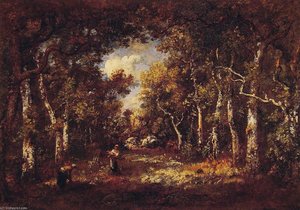
To gaze upon Narcisse Diaz de la Peña’s "Road in the Wood" is to step across the threshold of everyday life and into a realm steeped in profound, pastoral peace. This painting is more than just a depiction of a dirt path winding through an ancient forest; it is an immersion into the very breath of nature. The composition immediately draws the eye down the unpaved road, inviting the viewer to follow the figures—the solitary man, the companion figure, and the steady presence of the horse—into the heart of the woods. Diaz de la Peña masterfully captures that quintessential moment when humanity pauses amidst the grandeur of the natural world, finding solace in its quiet rhythms.
Mastery of Light and Shadow: The Barbizon Influence
The technical brilliance evident in this piece speaks directly to the sensibilities of the Barbizon school. Here, the artist eschews the polished drama of academic history painting for something far more immediate and emotionally resonant: the landscape itself. Observe how the light filters through the dense canopy; it is not a uniform glow but a dappled, ethereal quality that plays across the figures and illuminates patches of mossy ground. This handling of chiaroscuro lends an almost palpable depth to the scene, making the woods feel both enveloping and breathable. The careful rendering of the foliage suggests a deep understanding of natural light diffusion, transforming mere paint application into an atmospheric event.
Symbolism of the Woodland Path
Throughout art history, the road through the wood has served as a potent symbol—a liminal space representing transition, introspection, and the journey of the soul. In "Road in the Wood," this symbolism is richly layered. The path itself suggests a life's journey, while the surrounding trees act as silent witnesses to human experience. The presence of multiple figures hints at shared companionship or perhaps individual quests undertaken within a collective setting. It speaks to that universal yearning for escape—a desire to shed the noise of civilization and reconnect with something elemental and enduring.
Creating an Atmosphere of Serene Reflection
For the collector or designer, this artwork offers more than mere decoration; it offers an emotional anchor. The overall atmosphere is one of profound tranquility. When considering a reproduction for your home, imagine this scene brought into your drawing-room or study—a visual balm against the clamor of modern life. Diaz de la Peña’s ability to evoke such deep peacefulness means that owning this piece is akin to curating a permanent moment of quiet contemplation. It invites one to slow down, to breathe deeply, and to find the gentle rhythm echoing through the trees.
Related Artworks
Artist Biography
Early Life and Artistic Beginnings
Narcisse Virgilio Díaz de la Peña’s life was a testament to resilience, his artistic journey blossoming despite the hardships that marked his early years. Born in Bordeaux in 1807 to Spanish parents, he experienced profound loss early on, becoming an orphan at the age of ten. This period of vulnerability and challenge was further compounded by a tragic accident – a reptile bite that necessitated the amputation of his leg. Yet, rather than succumbing to adversity, Díaz channeled his experiences into a fervent pursuit of art.
His initial artistic training began with copying masterpieces at the Louvre, immersing himself in the works of masters like Correggio, Prud'hon, and Watteau. These early studies laid the foundation for his technical skill and instilled within him an appreciation for classical beauty and romantic sensibility. His first paintings reflected this influence, often depicting mythological scenes and *fêtes galantes*, echoing the elegant world of 18th-century art. However, a pivotal moment arrived in 1836 when Díaz connected with the burgeoning Barbizon school, forever altering the course of his artistic development.
Embracing Nature: The Barbizon Years
The association with the Barbizon school proved transformative for Díaz. He wholeheartedly embraced their philosophy of *en plein air* painting – venturing outdoors to capture the essence of nature directly from observation. This marked a significant departure from the studio-based traditions that had previously dominated artistic practice.
Díaz’s work during this period was profoundly influenced by his contemporaries, particularly Eugène Delacroix and Théodore Rousseau. From Delacroix, he absorbed an interest in exotic themes and vibrant color palettes, while Rousseau instilled within him a deep reverence for the French landscape. He began to focus on woodland interiors, skillfully rendering dramatic contrasts of light and shadow with heavily applied paint – a technique that would become his signature style.
His dedication and talent did not go unnoticed; Díaz exhibited regularly at the Salon, steadily gaining recognition within the Parisian art world. These exhibitions provided him with crucial exposure and helped establish his reputation as a rising star of the Barbizon school.
Maturity and Recognition
By 1851, Narcisse Díaz de la Peña had established a studio in Paris, becoming an integral part of the vibrant artistic community. This period marked a culmination of his years of dedication and experimentation. He continued to refine his distinctive style, characterized by its evocative atmosphere and masterful handling of light and texture.
His talent was formally acknowledged with numerous accolades, including three Salon gold medals and appointment as a Knight of the Legion of Honor – prestigious honors that affirmed his standing within the artistic establishment. As the 1870s progressed, Díaz’s paintings grew increasingly popular and valuable, reflecting a growing appreciation for his unique vision.
Beyond his professional achievements, Díaz enjoyed a fulfilling personal life, marrying and raising two sons, Emile and Eugene. His family provided him with stability and support as he continued to pursue his artistic passions.
Legacy of a Barbizon Master
Narcisse Virgilio Díaz de la Peña occupies a significant place in the history of 19th-century art, not only as a prominent representative of the Barbizon school but also as a pioneer of *en plein air* painting. His commitment to capturing the beauty and authenticity of nature paved the way for future generations of artists, including the Impressionists.
His influence extended beyond his immediate circle, inspiring artists to embrace a more direct and intimate relationship with the natural world. Renoir famously called him “my hero,” acknowledging Díaz’s profound impact on his own artistic development. Today, his paintings are held in esteemed collections worldwide, including The Louvre, The Metropolitan Museum of Art, and numerous other museums – a testament to his enduring legacy.
Díaz's work continues to resonate with viewers today, offering a glimpse into the soul of the French landscape and the artistic spirit of a man who overcame adversity to achieve lasting recognition. His evocative forest scenes and dramatic compositions stand as powerful reminders of the beauty and power of nature – a legacy that will continue to inspire for generations to come.
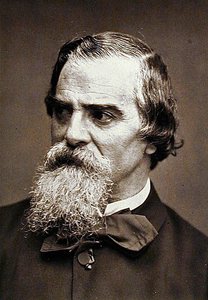
Narcisse Diaz de la Peña
1807 - 1876 , France
Quick Facts
- Artistic Movement Or Style: Barbizon school
- Artists Or Movements Influenced By This Artist:
- Impressionism
- Renoir
- Artists Who Influenced This Artist:
- Correggio
- Prud'hon
- Watteau
- Delacroix
- Rousseau
- Date Of Birth: 1807
- Date Of Death: 1876
- Full Name: Narcisse Diaz de la Peña
- Nationality: French-Spanish
- Notable Artworks:
- Diana
- Supplice turc
- Figures and a Dog…
- Place Of Birth: Bordeaux, France
Related Articles

Demandes Commerciales
APS ofrece reproducciones de bellas artes y encargos personalizados desde 2004. Confían en nosotros corporaciones, hoteles y coleccionistas selectos para obras de arte de calidad museística, servicio discreto y soluciones artísticas completas. ¡Póngase en contacto con nosotros para obtener un presupuesto personalizado!
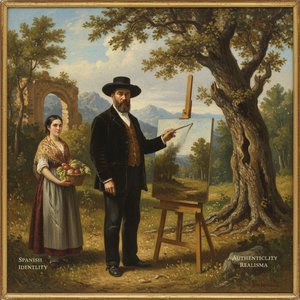
Narcisso Díaz de la Peña: Realism, Spanish Identity & Artistic Authenticity
Explore the life & work of Narcisso Díaz de la Peña, a key figure of the Barbizon school. Discover his captivating realism, Spanish influences, and enduring legacy in 19th-century art. Expert insights at ArtsDot.

Goya's Masterpieces: Explore 25 Iconic Paintings & Art Prints | ArtsDot
Delve into the world of Francisco Goya with ArtsDot. Explore 25 iconic paintings – from 'The Third of May' to his haunting Black Paintings. Discover the stories, techniques & emotions behind these Spanish masterpieces. Find museum-quality art reproductions for your home at ArtsDot.com!
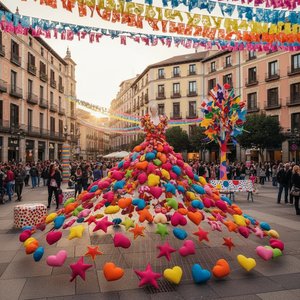
Águeda Ruiz de la Prada: A Study of Eclecticism & Emotional Resonance in Contemporary Spanish Painting
Discover the vibrant world of Ágatha Ruiz de la Prada, a leading figure in contemporary Spanish art. Explore her eclectic style, emotional depth & legacy – a must-read for discerning collectors.

A riguardo di noi
Découvrez notre histoire ! Nous apportons l'art de classe mondiale dans votre vie grâce à une sélection experte, des créations personnalisées et des aperçus gratuits. Approuvé par les particuliers et les entreprises depuis 2000.