 Send
Send Share
Share
 Details

 Download
 Similars
 Diaporama
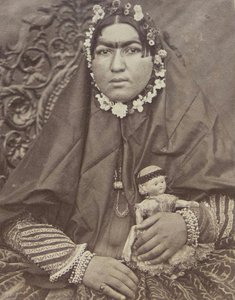
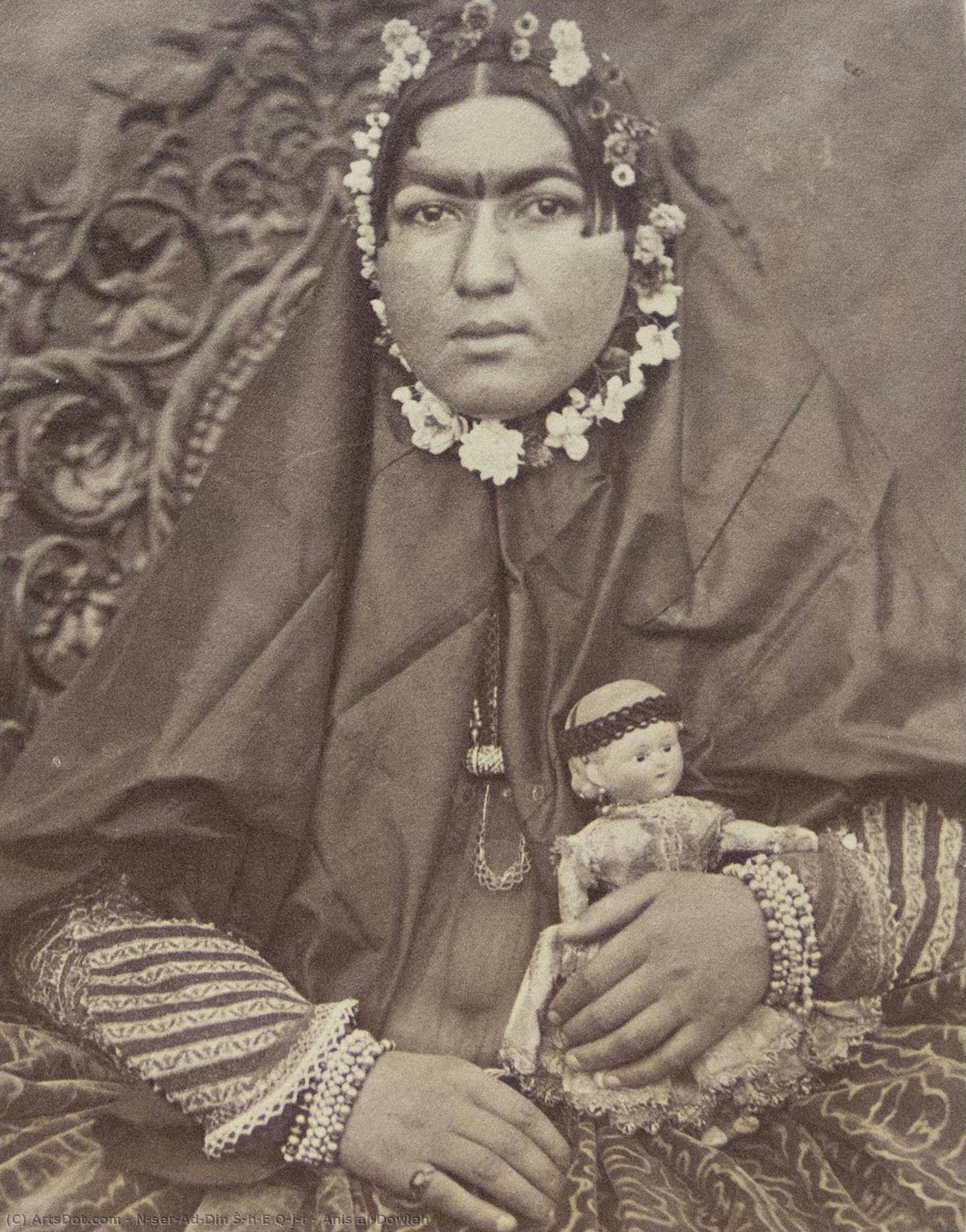
Anis al-Dowleh


 Read More
Hand Made Oil Reproduction
Hand-painted oil on canvas in your size and frame, made to order by our artists. ( Buy Print Buy Image)




































Pick from our preset sizes that match the artwork's original proportions.

You may enter your own dimensions to fit a specific frame or space. If your selected size does not match the original image's proportions, we will either crop the artwork or extend the painting with additional hand-painted elements. A digital mockup will be sent for your approval before production begins.
Please note that the on-screen preview does not reflect the actual cropping or extension. Only the mockup will accurately show the final composition.
While custom sizes are available, we recommend selecting a dimension from the predefined list to preserve the original proportions.
After order, ArtsDot.com team will email client for instructions and provide a mockup preview
Worldwide Delivery () in 3/4 weeks instead of standard 5 weeks. (17 August). No compromise on quality.

Free Worldwide Express Shipping

High-Quality Linen Canvas

Full Shipping Insurance

Customs Tax Refund Guarantee

True Color Matching Guarantee

60-Day Return Policy (Defects Only)

100% Money-Back Guarantee

Bulk Discount Offer
 Glass option is only available in size under 110 CM

Anis al-Dowleh
Reproduction Medium
Reproduction Size
-


Total Price
$ 263
Artwork Description
Anis al-Dowleh: A Portrait of Mughal Influence in Modern Persia
The painting “Anis al-Dowleh,” executed by Nāser al-Din Shah Qajar, stands as a remarkable testament to the confluence of artistic traditions during Iran’s transformative 19th century. More than just a depiction of a royal consort—the beloved Anis al-Dawla—it embodies the emperor's fascination with Mughal aesthetics while simultaneously reflecting his embrace of European advancements in portraiture and photography, creating an image that is both timeless and historically significant.Subject Matter and Composition
The artwork portrays Anis al-Dowla seated gracefully on a cushion, her gaze directed towards the viewer—a posture typical of royal portraits at the time. She wears opulent attire characteristic of Persian noblewomen, adorned with intricate embroidery and jewels – a deliberate nod to the grandeur of Mughal courts where similar garments were favored. Alongside her is a doll, positioned close to her chest, symbolizing motherhood and domestic tranquility—themes prevalent in Persian art throughout history. The background reveals glimpses of other figures engaged in activities within the royal harem, providing context for Anis al-Dowla’s role as a prominent member of the imperial family.Style and Technique: Photogravure Reproduction
“Anis al-Dowleh” is reproduced using photogravure—a printing technique that achieved exceptional detail and tonal range. This method involved transferring an image from a silver nitrate plate onto a copper cylinder, which was then inked and pressed onto paper multiple times to produce a high-quality print. Photogravure allowed for nuanced shading and texture, capturing the subtleties of Anis al-Dowla’s facial expression and the richness of her clothing—a technique championed by European artists during this period and adopted by Nāser al-Din Shah to elevate Iranian art standards. The resulting image possesses a velvety smoothness that enhances its visual impact.Historical Context: Reformer's Vision
Nāser al-Din Shah’s reign marked a pivotal moment in Iranian history, characterized by ambitious reforms aimed at modernizing the nation—initiatives fueled by his exposure to European intellectual currents and artistic innovations. The painting reflects this spirit of progressiveness, demonstrating his desire to portray Iran as a sophisticated kingdom worthy of international recognition. Simultaneously, it underscores the enduring influence of Mughal art on Persian culture—a legacy that Nāser al-Din Shah consciously sought to celebrate through stylistic choices and compositional elements.Symbolism: Dignity and Domestic Tranquility
The seated posture of Anis al-Dowleh conveys dignity and composure—qualities considered essential for royal representation. The doll symbolizes motherhood, reflecting the emperor’s concern for securing the dynasty's future and upholding traditional values amidst rapid societal change. Furthermore, the inclusion of other figures in the background serves as a reminder of the complexities inherent in governing a nation undergoing modernization—a visual narrative that encapsulates Nāser al-Din Shah’s multifaceted vision for Iran’s destiny.Emotional Impact: Elegance and Remembrance
“Anis al-Dowleh” evokes a sense of serenity and refinement, transporting viewers back to a bygone era of imperial splendor. The meticulous detail of the portrait captures Anis al-Dowla's beauty and grace—a testament to Persian artistic skill—while simultaneously prompting contemplation on themes of family, tradition, and royal authority. It remains an enduring symbol of Nāser al-Din Shah’s reign and his unwavering commitment to preserving Iran’s cultural heritage amidst the pressures of globalization.Related Artworks
Artist Biography
Nāser al-Din Shah Qajar: A Mughal Visionary in a Modernizing Persia
Nāser al-Din Shah Qajar (1831-1896), the fourth ruler of the Qajar dynasty, stands as a compelling figure bridging the gap between Persia’s rich artistic heritage and the burgeoning currents of 19th-century modernity. More than simply a monarch, he was a passionate painter, a keen observer of European advancements, and a complex reformer whose legacy remains debated today. His reign, spanning nearly half a century, witnessed significant changes within Iran – from the introduction of newspapers and telegraphs to the adoption of photography – yet also revealed the persistent challenges of governance and social unrest. This biography delves into the life and artistic output of this fascinating ruler, exploring his Mughal influences, European encounters, and enduring impact on Iranian art and culture.Early Life and Ascension to the Throne
Born in Kahnamu, near Tabriz, in 1831, Nāser al-Din was the third son of Mohammad Shah Qajar. His early life was marked by political instability and tribal conflicts, a landscape where traditional power structures clashed with emerging central authority. He ascended to the throne at the remarkably young age of seventeen following his father’s sudden death in 1848. Immediately faced with a deeply entrenched system of regional autonomy and resistance to royal decrees, Nāser al-Din inherited a kingdom grappling with internal divisions and external pressures from Russia and Great Britain. His early reign was characterized by skillful maneuvering, relying heavily on the guidance of his chief minister, Mirza Taqī Khān, who skillfully quelled rebellions and established a semblance of order. However, this reliance ultimately led to Taqī Khān’s downfall and execution, highlighting the precarious nature of Nāser al-Din's position.A Painter’s Eye: Mughal Style and European Influence
Nāser al-Din Shah was not merely a ruler; he possessed a remarkable talent for painting, particularly in the style of the Mughal court painters – a tradition deeply rooted in Persian art history. Influenced by the intricate detail, vibrant colors, and calligraphic elegance of Mughal miniatures, his early works demonstrate a mastery of composition, perspective, and decorative elements. However, unlike many artists of his time who remained confined to traditional techniques, Nāser al-Din actively sought out European artistic influences. He traveled extensively throughout Europe, particularly to France, where he studied painting methods, portraiture, and the use of oil paints – materials largely unfamiliar in Persia at the time. This exposure dramatically broadened his artistic horizons, leading him to incorporate Western compositional techniques and a greater emphasis on realism into his work. His paintings often depict court scenes, portraits of dignitaries, and landscapes—all rendered with a distinctive blend of Persian elegance and European precision.- Key Characteristics: Nāser al-Din’s style is characterized by rich color palettes, elaborate patterns, and a meticulous attention to detail reminiscent of Mughal art.
- European Techniques: He skillfully integrated Western techniques such as linear perspective and the use of oil paints, creating a unique fusion of styles.
- Notable Subjects: His paintings frequently featured portraits of members of his court, landscapes of Persia, and scenes from Persian mythology and history.
Reforms and Modernization Amidst Growing Discontent
Nāser al-Din Shah’s reign is often remembered for his ambitious attempts at modernization. Recognizing the need to strengthen Iran against foreign encroachment and improve its economic standing, he implemented a series of reforms aimed at establishing a more centralized government, promoting education, and fostering trade. He introduced newspapers – a revolutionary concept in Persia – and embraced new technologies like the telegraph and photography, signaling Iran’s engagement with the modern world. He also initiated significant infrastructure projects, including road construction and irrigation systems. However, these reforms were met with resistance from conservative elements within society, particularly religious leaders who viewed them as a threat to traditional values. Furthermore, his tax reforms, intended to modernize the revenue system, were often abused by corrupt officials, fueling public discontent and contributing to political instability.Legacy and Artistic Significance
Nāser al-Din Shah’s legacy is complex and multifaceted. He is remembered as a forward-thinking ruler who attempted to steer Iran towards modernity, yet his reign was also marked by corruption, social unrest, and ultimately, his assassination in 1896 – an event that plunged the country into further turmoil. Despite these challenges, Nāser al-Din Shah’s artistic output remains a significant contribution to Iranian art history. His paintings represent a unique synthesis of Mughal tradition and European influence, showcasing his exceptional talent and providing valuable insights into the cultural landscape of 19th-century Persia. His works are now housed in prestigious collections worldwide, including the British Museum and the National Gallery of Iran, ensuring that this remarkable ruler and artist continue to be appreciated for their artistic merit and historical significance. His influence can also be seen in the Nas Taleq movement, which highlights the intersection of Islamic calligraphy with modern art.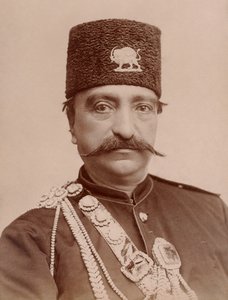
nāser-ad-din ŝāh-e qājār
1831 - 1896 , Iran
Quick Facts
- Artistic Movement Or Style: Mughal style painting
- Artists Or Movements Influenced By This Artist: ['Nas taliq']
- Artists Who Influenced This Artist: ['European artists']
- Date Of Birth: July 17, 1831
- Date Of Death: May 1, 1896
- Full Name: Nāser-ad-Din Shah Qajar
- Nationality: Iranian
- Notable Artworks: ['Anis al-Dowleh']
- Place Of Birth: Tehran, Iran
Related Articles

White on Canvas: 10 Masterpieces & Timeless Elegance for Your Home Decor
Explore 10 iconic white paintings by Monet, Whistler & Rothko! Discover the stories behind these serene masterpieces and their impact on art history. Find museum-quality reproductions for your home decor at .

Dark Masterpieces: 10 Iconic Paintings Dominated by Black Tones |
Explore 10 iconic paintings dominated by black tones, from Rembrandt’s chiaroscuro to Goya's dark expressions. Discover the stories behind these masterpieces & find museum-quality art reproductions for your home at .

Monochrome Visions: Exploring the Aesthetic & Historical Significance of Black & White Photography
Explore the rich history & artistic power of black and white photography. From early techniques to iconic masters like Ansel Adams, discover why monochrome continues to captivate art lovers today. Expert insights for collectors.
From Snapshot to Statement: Elevating Personal Photography Through Black & White Fine Art Reproduction
Transform cherished photos into timeless black & white fine art with ArtsDot. Our expert artists create museum-quality reproductions – a lasting legacy for your home and family. Discover the artistry today.
Mars Black Masterpieces: 10 Iconic Paintings & Timeless Art Decor Ideas
Delve into the power of 'Mars Black' with 10 iconic paintings by masters like Rembrandt & Caravaggio. Explore dramatic chiaroscuro, gothic art, and timeless beauty. Find museum-quality reproductions & elevate your home decor on .