

 Preview
 Send
Send Share
Share
 Details

 Download
 Similars
 X-Ray
X-Ray Diaporama
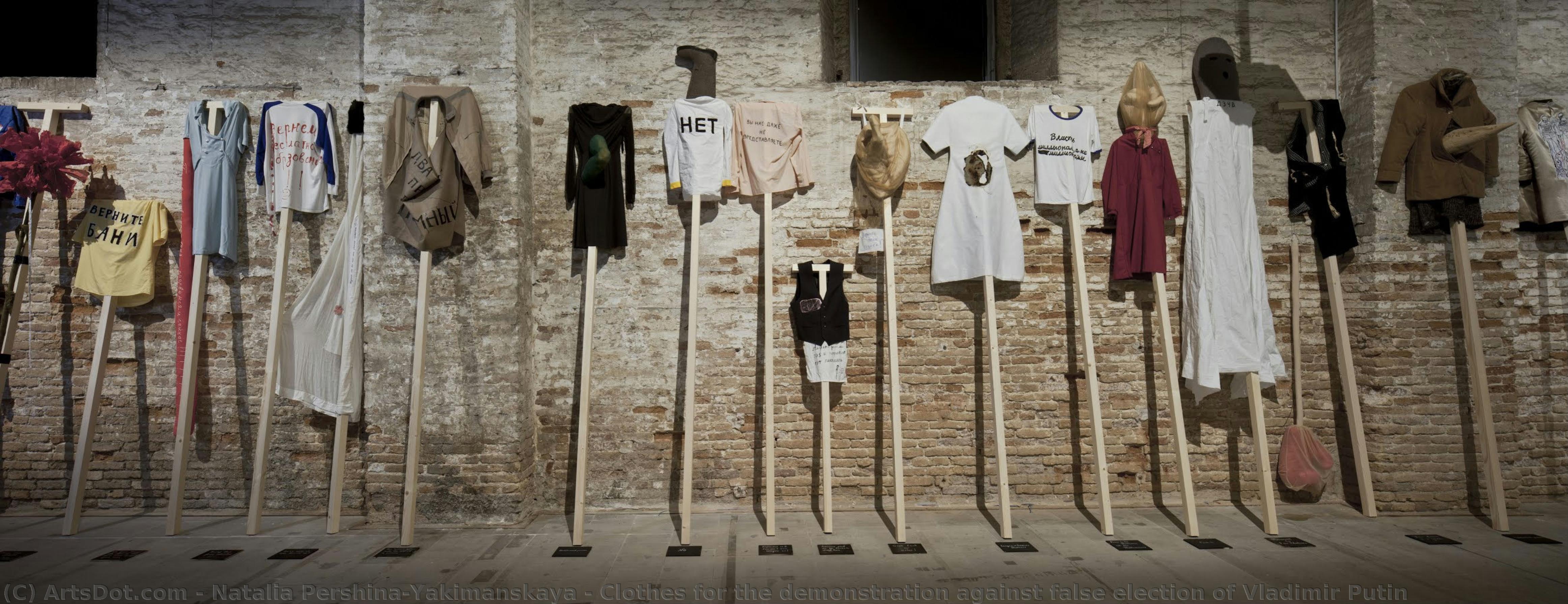
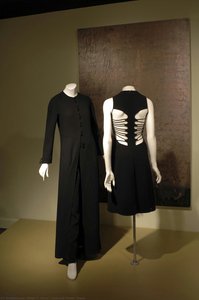
Clothes for the demonstration against false election of Vladimir Putin


 Read More
Purchase a high-resolution, enhanced digital image, far superior to the online preview.
Each file is meticulously prepared by our in-house specialists using advanced tools and expert manual retouching. We ensure every image has exceptional clarity, precise color accuracy, and fine detail.
The final file is delivered via email within 72 hours, optimized for immediate use in professional, editorial, and print environments. This is the same quality trusted by top-tier design studios, publishers, and galleries.
Digital Image
Download a high-resolution file for personal display, printing, and creative projects. ( Buy Print Buy Hand Made Painting)
Included in Every Digital Image Order
Expert Digital Delivery, Guaranteed
When you choose ArtsDot.com, you're not just getting an image - you're receiving a professionally enhanced digital artwork, crafted with precision and backed by a satisfaction guarantee. Here's everything that comes with your order, automatically:

Fast Email Delivery
Your high-resolution digital image file will be emailed to you within 72 hours of ordering - ready for immediate use.

AI-Enhanced Digital File
Your artwork is professionally optimized using advanced AI tools and manual editing, ensuring maximum detail, clarity, and color accuracy.

Free Lifetime Re-Delivery
Accidentally deleted or lost your file? No worries - we'll resend it to you anytime, free of charge.

No Import Fees - Ever
Enjoy your artwork instantly with zero customs, duties, or delivery fees - digital downloads are always tax-free.

Color Accuracy Guarantee
We ensure your digital image reflects the original colors as closely as possible using professional tools and color management.

60-Day Satisfaction Guarantee
If you're not satisfied with your digital image, we'll revise it or refund 100% within 60 days - no questions asked.

100% Money-Back Guarantee
Not satisfied? Get a full refund within 60 days of receiving your digital file - no questions asked.

Bulk Order Discounts
Buy 3 images, save 10% - Buy 5, save 15% - Buy 10+, save 20%. Great for creative projects, galleries, and agencies.
Collectible Description
Related Artworks






Artist Biography
Kara Walker: Unearthing Histories Through Shadow and Silhouette
Kara Walker is a singular voice in contemporary art, a name synonymous with unsettling beauty, potent social commentary, and the masterful manipulation of silhouette. Born in November 1969, her work has consistently challenged viewers to confront uncomfortable truths about race, gender, sexuality, violence, and the enduring legacy of American history. Walker’s journey from early explorations of photography and drawing to her now-iconic room-sized tableaux is a testament to her evolving artistic vision – one deeply rooted in research, meticulous craft, and a willingness to grapple with difficult subjects.Early influences shaped Walker's distinctive style. Growing up in Atlanta, Georgia, she was immersed in the rich tapestry of Southern folklore, particularly the traditions of storytelling and visual representation that often served as both entertainment and reinforcement of social hierarchies. This environment fostered a keen awareness of power dynamics and the ways in which narratives are constructed – a sensibility that would become central to her artistic practice. Her initial explorations involved photography, specifically documenting the architecture and landscapes of the American South, but it was through the medium of cut paper silhouettes that she truly found her voice.
The Rise of the Silhouette Room
Walker’s breakthrough came with the creation of her “Darkytown Rebellion” series in the 1990s. These monumental room-sized installations, often described as "shadow plays," are constructed entirely from black cut paper silhouettes depicting scenes of antebellum slavery and its aftermath. The figures, rendered in a deceptively elegant style reminiscent of 18th-century portraiture, are placed within meticulously recreated interiors – grand ballrooms, opulent plantations, and unsettlingly familiar domestic spaces. The stark contrast between the delicate beauty of the silhouettes and the brutal realities they represent is profoundly disturbing, forcing viewers to confront the complexities of American history without offering easy answers or comfortable resolutions.- Technique: Walker’s process is incredibly labor-intensive. Each silhouette is painstakingly cut by hand from black paper, a meticulous and time-consuming undertaking that underscores the dedication and precision required to execute her ambitious installations.
- Scale & Immersion: The sheer scale of these room-sized environments creates an immersive experience for the viewer, drawing them into the narratives depicted within.
- Symbolism: Walker’s use of silhouettes is not merely a stylistic choice; it's a deliberate strategy to strip away individual identities and focus on broader themes of power, oppression, and representation.
Critical Acclaim and Artistic Recognition
Walker’s work quickly garnered critical acclaim and significant recognition. In 1997, at the age of 28, she received a MacArthur Fellowship – often referred to as a “genius grant” – a remarkable achievement for an emerging artist. This award not only provided financial support but also served to elevate her profile within the art world and solidify her position as one of the most important contemporary artists working today. Her work has been exhibited extensively in museums and galleries around the globe, including the Tate Modern in London, the Museum of Contemporary Art in Chicago, and the Whitney Museum of American Art in New York City.Beyond the Silhouette: Expanding Artistic Boundaries
While her silhouette installations remain Walker’s most recognizable work, she has consistently expanded her artistic practice beyond this singular medium. She has created prints, drawings, films, and performance pieces that explore similar themes of race, gender, and violence, often employing a wider range of materials and techniques. Her recent projects have delved into the history of American tourism and the construction of racial stereotypes, further demonstrating her commitment to challenging dominant narratives and prompting critical reflection.A Legacy of Confrontation and Complexity
Kara Walker’s art is not designed to provide easy answers or comfortable viewing experiences. Instead, it demands engagement, provocation, and a willingness to confront the uncomfortable truths about American history and its ongoing impact on contemporary society. Her work serves as a powerful reminder that silence is complicity and that confronting difficult histories is essential for building a more just and equitable future. As an artist who continues to push boundaries and challenge conventions, Kara Walker remains a vital voice in the 21st century art world, ensuring that the stories of the past continue to resonate with urgency and power.
natalia pershina-yakimanskaya
1969 - , Russia
Quick Facts
- Artistic Movement Or Style: Silhouettist, installation artist
- Artists Or Movements Influenced By This Artist: ['Fons Americanus']
- Artists Who Influenced This Artist: ['Augustus Saint-Gaudens']
- Date Of Birth: November 26, 1969
- Full Name: Kara Elizabeth Walker
- Nationality: American
- Notable Artworks:
- Darkytown Rebellion
- no place (like home)
- Place Of Birth: United States

