 Preview
 Send
Send Share
Share
 Details

 Download
 Similars
 X-Ray
X-Ray Diaporama
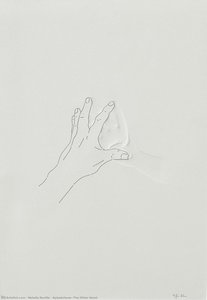
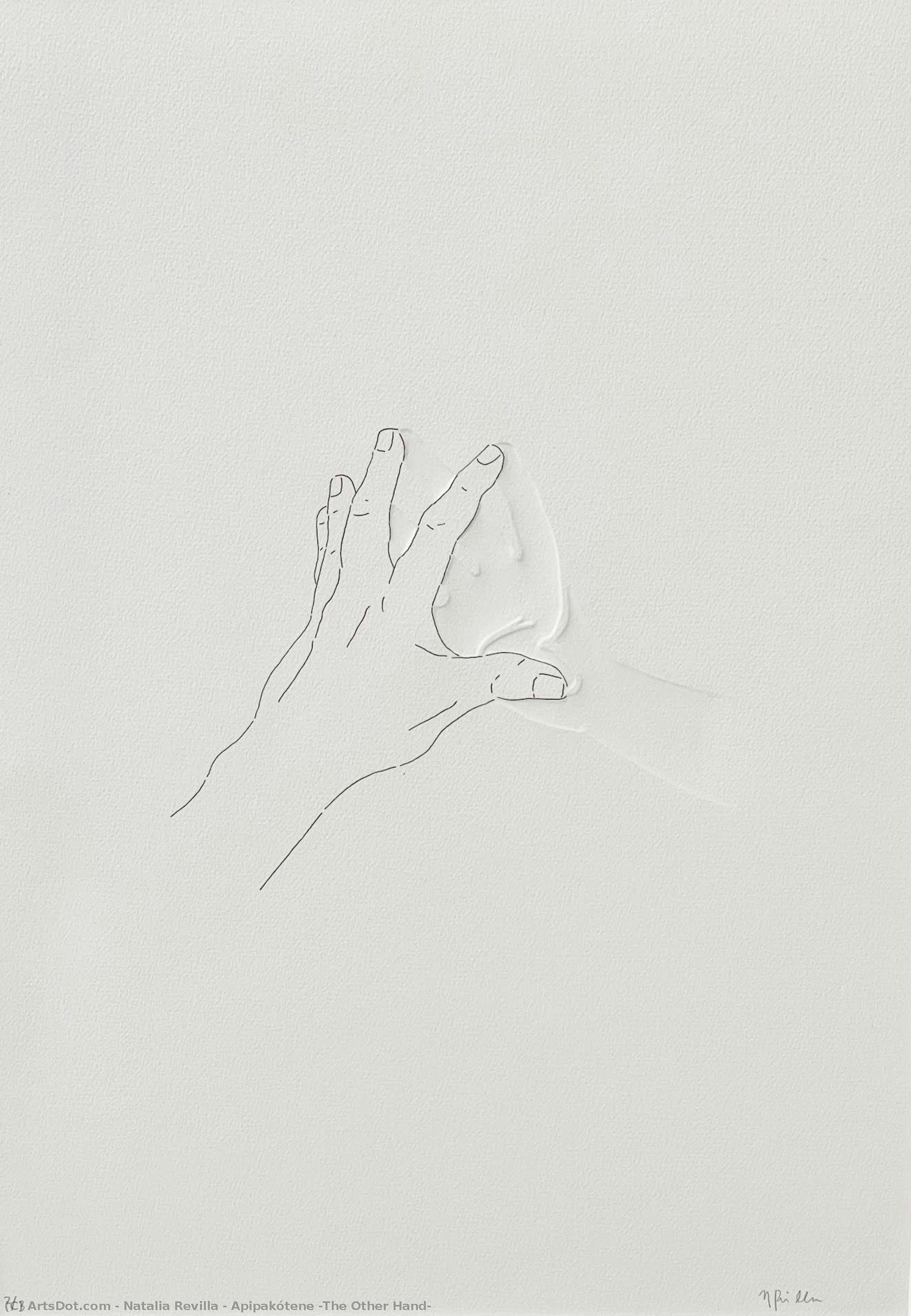
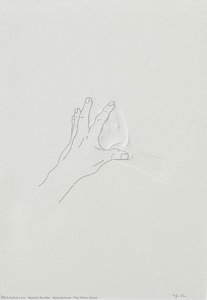
Apipakótene (The Other Hand)


 Read More
Giclée / Art Print
Museum-quality giclée or canvas print with fast production and flexible finish options. ( Buy Hand Made Painting Buy Image)




































Pick from our preset sizes that match the artwork's original proportions.

You may enter your own dimensions to fit a specific frame or space. If your selected size does not match the original image's proportions, we will either crop the artwork or extend the image with a mirrored or solid-fill edge. A digital mockup will be sent for your approval before production begins.
Please note that the on-screen preview does not reflect the actual cropping or extension. Only the mockup will accurately show the final composition.
While custom sizes are available, we recommend selecting a dimension from the predefined list to preserve the original proportions.
Worldwide Delivery () in 2 weeks instead of standard 4/5 weeks. (21 August)

Free Worldwide Express Shipping

High-Quality Linen Canvas

Full Shipping Insurance

Customs Tax Refund Guarantee

True Color Matching Guarantee

60-Day Return Policy (Defects Only)

100% Money-Back Guarantee

Bulk Discount Offer
 Glass option is only available in size under 110 CM

Apipakótene (The Other Hand)
Giclée / Art Print
Reproduction Size
-


Total Price
$ 63
Collectible Description
Related Artworks
Artist Biography
Natalia Revilla: Echoes of the Andes in Contemporary Art
Natalia Revilla, a Peruvian artist born and working in Lima, is a compelling voice within contemporary South American art. Her work isn’t merely visual; it's an immersive exploration of cultural memory, indigenous narratives, and the complex relationship between humanity and the natural world. Revilla’s artistic journey is deeply rooted in her Peruvian heritage, drawing inspiration from the rich traditions and profound symbolism of Andean civilizations – a lineage she meticulously investigates through a unique blend of meticulous technique and poignant conceptualization.
Revilla's artistic practice is characterized by a deliberate layering of techniques. She frequently employs paper cutting, embossing, burning, and ink—a potent combination that creates textured surfaces brimming with visual and tactile interest. This isn’t simply decorative; each element carries symbolic weight, reflecting the artist’s engagement with themes of epistemicide – the systematic erasure of indigenous knowledge – and the inherent ambiguities within communication when attempting to understand cultures vastly different from one's own. Her process is deeply meditative, a dialogue between herself, the materials, and the stories she seeks to convey.
Tracing Influences: Andean Roots and Beyond
Revilla’s artistic vision is undeniably shaped by her Peruvian roots. The legacy of pre-Columbian civilizations – the intricate artistry of the Inca, the vibrant textiles of the Moche, and the profound spiritual connection to Pachamama (Mother Earth) – permeate her work. However, she doesn't simply replicate these traditions; instead, she critically engages with them, questioning Western paradigms that often prioritize dominance and control over a more reciprocal relationship with nature. This engagement is further informed by a keen awareness of contemporary social and political realities in Peru, particularly the ongoing struggles faced by indigenous communities.
Beyond her immediate cultural context, Revilla’s work also demonstrates an appreciation for artists who have similarly explored themes of memory, trauma, and social justice. The influence of artists like Ovidio Murguía de Castro, known for his powerful Social Realist paintings depicting Indigenous life in Ecuador, is evident in Revilla's commitment to representing marginalized voices and challenging dominant narratives. Similarly, the meticulous documentation of indigenous cultures by Karl Bodmer, a 19th-century German explorer, speaks to Revilla’s own desire to preserve and honor cultural heritage.
“Apipakótene (The Other Hand)” – A Key Work
"Apipakótene (The Other Hand)," created in 2016, is arguably Revilla's most significant work to date. This piece exemplifies her signature style—a complex interplay of paper cutting, embossing, and burning—to create a layered visual narrative. The title itself – “Apipakótene” – refers to a Quechua term signifying the "other hand," representing the unseen or marginalized perspective. The artwork explores themes of communication breakdown, cultural misunderstanding, and the importance of acknowledging alternative viewpoints. It’s a powerful meditation on the challenges of bridging divides and fostering genuine empathy.
The work was exhibited at ARTBO 2024 in Bogotá, where it garnered significant attention for its evocative imagery and thought-provoking commentary. Revilla's participation in this international art fair further solidified her position as a rising star within the contemporary Peruvian art scene.
Current Development & Future Directions
Currently, Natalia Revilla continues to push the boundaries of her artistic practice, experimenting with new materials and techniques while remaining steadfastly committed to her core themes. Her work has been featured in exhibitions across Peru and internationally, including a solo show at RoFa Art Gallery in Lima. She is deeply invested in exploring the complexities of indigenous knowledge systems and advocating for cultural preservation through her art.
Looking ahead, Revilla’s artistic trajectory suggests a continued focus on social commentary, environmental awareness, and the power of visual storytelling. Her unique blend of traditional techniques and contemporary concerns positions her as an artist to watch – one who is not only creating beautiful works of art but also contributing meaningfully to critical dialogues about identity, history, and the future.
natalia revilla
Peru
Quick Facts
- Artistic Movement Or Style: Andean traditions & contemporary expression
- Full Name: Natalia Revilla
- Nationality: Peruvian
- Notable Artworks: ['Apipakótene (The Other Hand)']
- Place Of Birth: Peru