

 Preview
 Send
Send Share
Share
 Details

 Download
 Similars
 X-Ray
X-Ray Diaporama
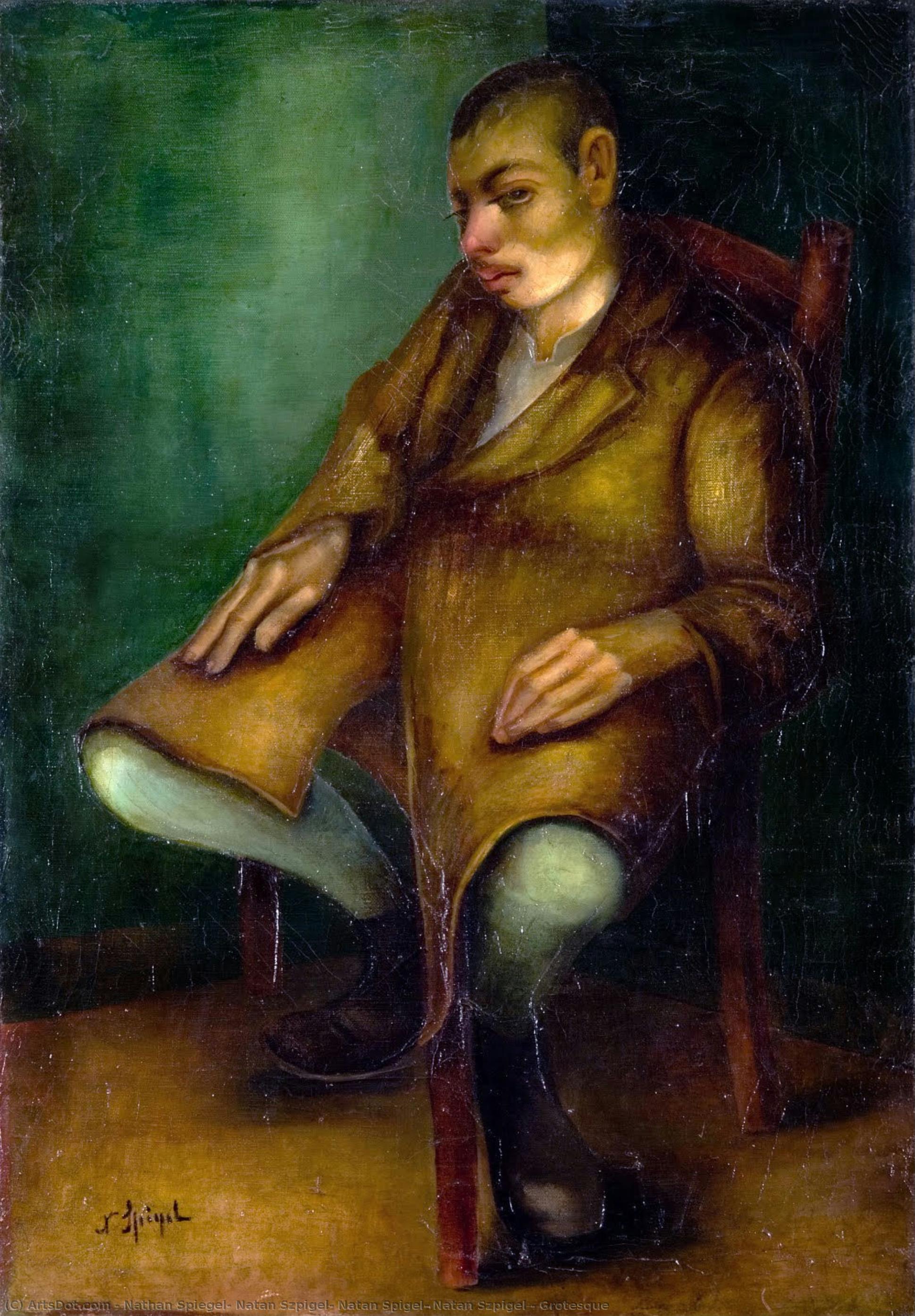
Grotesque

 Read More
Purchase a high-resolution, enhanced digital image, far superior to the online preview.
Each file is meticulously prepared by our in-house specialists using advanced tools and expert manual retouching. We ensure every image has exceptional clarity, precise color accuracy, and fine detail.
The final file is delivered via email within 72 hours, optimized for immediate use in professional, editorial, and print environments. This is the same quality trusted by top-tier design studios, publishers, and galleries.
Digital Image
Download a high-resolution file for personal display, printing, and creative projects. ( Buy Print Buy Hand Made Painting)
Included in Every Digital Image Order
Expert Digital Delivery, Guaranteed
When you choose ArtsDot.com, you're not just getting an image - you're receiving a professionally enhanced digital artwork, crafted with precision and backed by a satisfaction guarantee. Here's everything that comes with your order, automatically:

Fast Email Delivery
Your high-resolution digital image file will be emailed to you within 72 hours of ordering - ready for immediate use.

AI-Enhanced Digital File
Your artwork is professionally optimized using advanced AI tools and manual editing, ensuring maximum detail, clarity, and color accuracy.

Free Lifetime Re-Delivery
Accidentally deleted or lost your file? No worries - we'll resend it to you anytime, free of charge.

No Import Fees - Ever
Enjoy your artwork instantly with zero customs, duties, or delivery fees - digital downloads are always tax-free.

Color Accuracy Guarantee
We ensure your digital image reflects the original colors as closely as possible using professional tools and color management.

60-Day Satisfaction Guarantee
If you're not satisfied with your digital image, we'll revise it or refund 100% within 60 days - no questions asked.

100% Money-Back Guarantee
Not satisfied? Get a full refund within 60 days of receiving your digital file - no questions asked.

Bulk Order Discounts
Buy 3 images, save 10% - Buy 5, save 15% - Buy 10+, save 20%. Great for creative projects, galleries, and agencies.
Related Artworks








Artist Biography
Natan Spigel: A Voice of Jewish Life Amidst the Shadows
Natan Spigel (also known as Nathan, Szpigiel/Spiegel/Szpigel) – born in Łódź, Poland, in 1892 and tragically murdered in Treblinka in 1942 – remains a poignant figure in the history of Expressionist art. His life was a testament to both artistic ambition and profound personal loss, culminating in a legacy preserved through remarkably few surviving works, each imbued with an intense emotional resonance. Spigel’s story is inextricably linked to the tumultuous period of interwar Poland and the devastating impact of World War II on Jewish communities, making his art not merely aesthetically significant but also a vital historical document.
Spigel's early life was shaped by his Orthodox Jewish upbringing in Łódź. Following his initial artistic studies, he embarked on a journey of formal training in Rome under the tutelage of Henryk Glicenstein, a prominent Polish painter and teacher. This period provided him with a foundational understanding of classical techniques, which he later skillfully blended with the burgeoning Expressionist movement. His subsequent travels to Paris and London marked crucial stages in his artistic development, exposing him to diverse cultural influences and solidifying his position within European art circles. The invitation to exhibit at the 1924 Salon d’Automne in Paris was a watershed moment, launching his career and establishing him as a recognized artist.
Spigel's artistic style is immediately recognizable for its distinctive blend of Expressionist fervor and deeply rooted Jewish themes. He frequently depicted scenes from everyday Jewish life – the bustling markets of Łódź, religious ceremonies, portraits of community elders, and poignant glimpses into the hardships faced by his people. His use of watercolor was particularly noteworthy; he masterfully employed varnish to create an aged effect, lending a sense of history and melancholy to his compositions. This technique wasn’t merely stylistic; it reflected a deliberate attempt to preserve memories and document a vanishing culture. Unlike many Expressionists who focused on abstract emotion, Spigel anchored his work in the tangible realities of Jewish existence – a conscious choice that distinguished him within the movement.
Yung-Yidish and the Polish Expressionist Scene
Spigel’s artistic trajectory was profoundly influenced by the Yung-Yidish group, a collective of Jewish artists operating in Poland during the 1920s and 30s. This group, characterized by its commitment to exploring themes of Jewish identity, social critique, and spiritual longing, provided Spigel with a vital intellectual and artistic context. Yung-Yidish sought to redefine Jewish art, moving beyond traditional religious iconography and embracing modern forms of expression. Spigel’s membership in this circle fostered a spirit of experimentation and collaboration, contributing significantly to the development of Expressionism within Poland.
Alongside Yung-Yidish, Spigel was also involved with ‘Start’, another artistic group focused on depicting the lives of workers and laborers. This engagement reflected a broader social consciousness within the Polish art scene at the time, as artists sought to address pressing issues of poverty, inequality, and displacement. His work during this period often depicted scenes of Jewish workers, highlighting their struggles and resilience.
Notable Works and Artistic Techniques
- Old Jewish Cemetery: Arguably Spigel’s most celebrated work, housed at the Ben Uri Gallery in London, this watercolor powerfully captures the solemnity and beauty of a Łódź Jewish cemetery. The use of varnish to simulate age and decay is particularly striking, evoking a sense of loss and remembrance.
- Portraits of Community Elders: Spigel’s portraits are not merely likenesses; they convey a deep understanding of his subjects' personalities and experiences. These works offer intimate glimpses into the lives of ordinary Jewish people in Łódź.
- Scenes from Daily Life: From bustling marketplaces to quiet domestic interiors, Spigel’s paintings depict the everyday realities of Jewish life with remarkable detail and sensitivity.
Spigel's artistic technique was characterized by a deliberate layering of colors and textures, often achieved through multiple washes of watercolor. He frequently employed a dry brush technique to create subtle variations in tone and texture, adding depth and complexity to his compositions. His use of varnish was not simply decorative; it served as a means of preserving the memory of his subjects and their world.
Loss, Legacy, and Enduring Significance
The tragic circumstances surrounding Spigel’s life – his internment in the Radomsko ghetto and eventual murder in Treblinka – underscore the profound impact of the Holocaust on Jewish culture and artistic expression. Remarkably, only approximately twenty of his paintings survived the war, a testament to the brutality of the Nazi regime and the vulnerability of cultural heritage during wartime. These surviving works are now treasured as poignant reminders of Spigel’s talent and the lives lost in the Shoah.
Despite the scarcity of his oeuvre, Natan Spigel's artistic legacy endures. His paintings offer a unique window into Jewish life in interwar Poland, capturing both its vibrancy and its vulnerability. His work serves as a powerful testament to the resilience of the human spirit in the face of unimaginable adversity, and his story continues to resonate with audiences today. The efforts to preserve and promote Spigel’s art are not merely acts of remembrance; they are vital contributions to understanding the complexities of Jewish history and the enduring power of artistic expression.
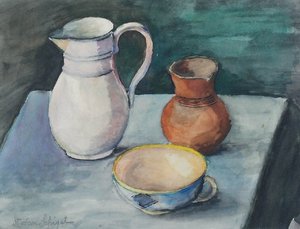
nathan spiegel, natan szpigel, natan spigel, natan szpigel
1892 - 1942 , Poland
Quick Facts
- Artistic Movement Or Style: Expressionism, Yung-yidish
- Artists Or Movements Influenced By This Artist: ['Jacob Epstein']
- Artists Who Influenced This Artist: ['Henryk Glicenstein']
- Date Of Birth: 1892-04-01
- Date Of Death: 1942-03-19
- Full Name: Natan Spigel / Szpigel
- Nationality: Polish-Jewish
- Notable Artworks:
- Old Jewish Cemetery
- Radomsko Ghetto Scenes
- Place Of Birth: Lódz, Poland

