 Preview
 Send
Send Share
Share
 Details

 Download
 Similars
 X-Ray
X-Ray Diaporama
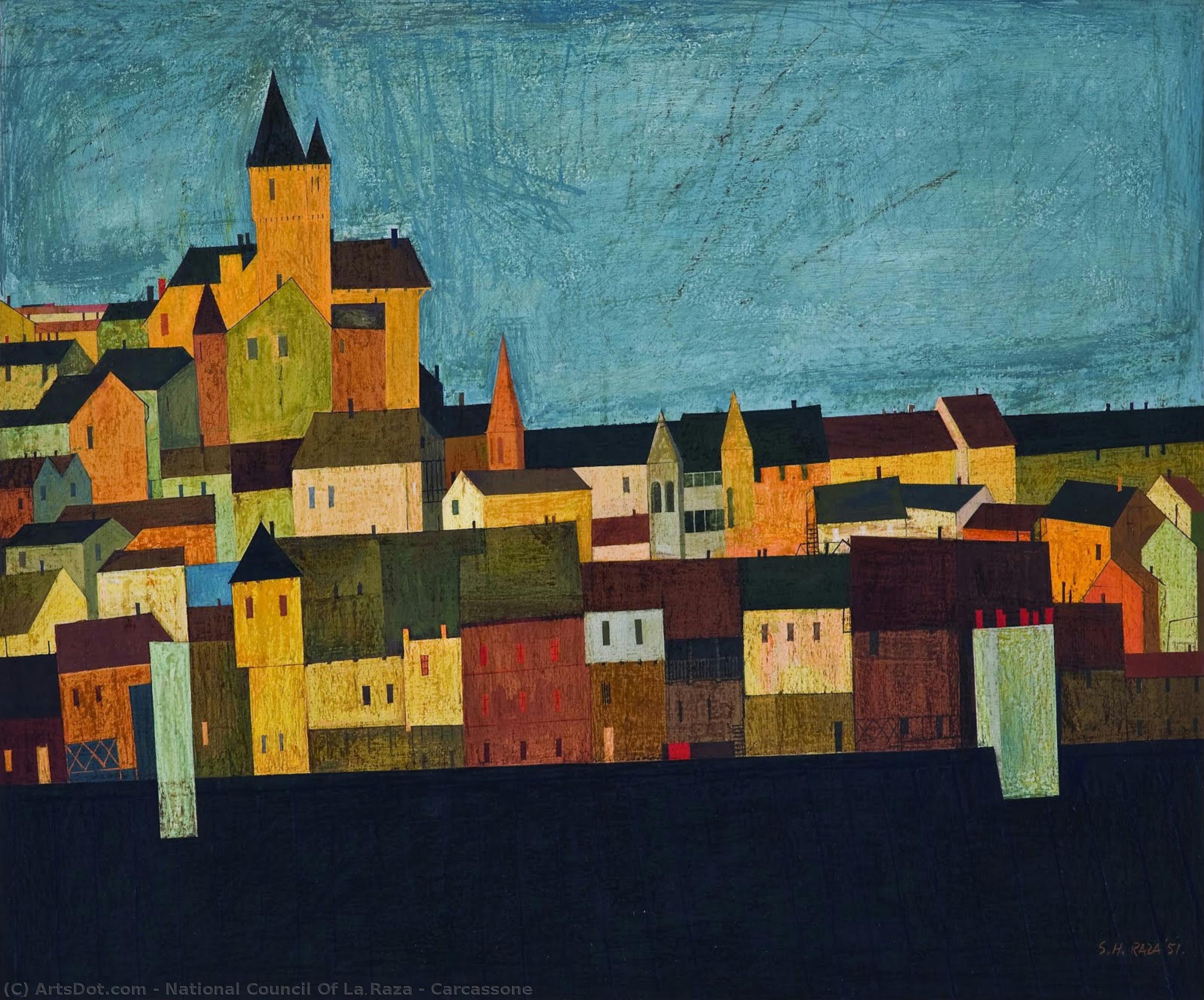
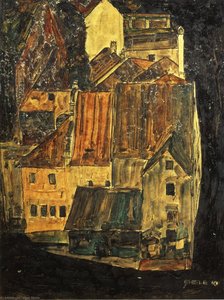
Carcassone
 45.0 x 53.0 cm
 Kiran Nadar Museum of Art
 Read More
Purchase a high-resolution, enhanced digital image, far superior to the online preview.
Each file is meticulously prepared by our in-house specialists using advanced tools and expert manual retouching. We ensure every image has exceptional clarity, precise color accuracy, and fine detail.
The final file is delivered via email within 72 hours, optimized for immediate use in professional, editorial, and print environments. This is the same quality trusted by top-tier design studios, publishers, and galleries.
Digital Image
Download a high-resolution file for personal display, printing, and creative projects. ( Buy Print Buy Hand Made Painting)
Included in Every Digital Image Order
Expert Digital Delivery, Guaranteed
When you choose ArtsDot.com, you're not just getting an image - you're receiving a professionally enhanced digital artwork, crafted with precision and backed by a satisfaction guarantee. Here's everything that comes with your order, automatically:

Fast Email Delivery
Your high-resolution digital image file will be emailed to you within 72 hours of ordering - ready for immediate use.

AI-Enhanced Digital File
Your artwork is professionally optimized using advanced AI tools and manual editing, ensuring maximum detail, clarity, and color accuracy.

Free Lifetime Re-Delivery
Accidentally deleted or lost your file? No worries - we'll resend it to you anytime, free of charge.

No Import Fees - Ever
Enjoy your artwork instantly with zero customs, duties, or delivery fees - digital downloads are always tax-free.

Color Accuracy Guarantee
We ensure your digital image reflects the original colors as closely as possible using professional tools and color management.

60-Day Satisfaction Guarantee
If you're not satisfied with your digital image, we'll revise it or refund 100% within 60 days - no questions asked.

100% Money-Back Guarantee
Not satisfied? Get a full refund within 60 days of receiving your digital file - no questions asked.

Bulk Order Discounts
Buy 3 images, save 10% - Buy 5, save 15% - Buy 10+, save 20%. Great for creative projects, galleries, and agencies.
Related Artworks







Artist Biography
The National Council of La Raza: A Visual Chronicle of Advocacy
The National Council of La Raza (NCLR), now known as UnidosUS, isn't traditionally recognized as an artistic entity in the conventional sense. However, to overlook its extensive collection of visual materials – photographs, posters, banners, and artwork commissioned for events and campaigns – is to miss a powerful and often overlooked chapter in American art history. This body of work functions as a vital chronicle of the Chicano Civil Rights Movement and the ongoing struggle for Latino-American social justice, representing not merely documentation but deliberate artistic expression employed as a tool for advocacy and community building. The organization’s visual output wasn't created by a single artist or school, but rather through a collaborative network of photographers, graphic designers, and artists responding to the needs and goals of the movement itself.From Grassroots Organizing to Visual Representation
Founded in 1968, NCLR emerged from a coalition of existing Latino rights organizations seeking a unified voice on national policy issues. Its early years were characterized by grassroots organizing, community empowerment programs, and direct advocacy for improved housing, education, employment, and political representation. As the organization grew, so did its need to communicate its message effectively to both the Latino community and broader American society. Photography became central to this effort. Images of farmworkers striking, families facing discrimination, and vibrant cultural celebrations were disseminated through newsletters, reports, and presentations, humanizing the issues and galvanizing support. These weren’t simply objective records; they were carefully selected and framed to evoke empathy and underscore the urgency of NCLR's mission. The posters and banners that accompanied these images often featured bold typography and striking colors, drawing inspiration from Mexican muralism and Chicano art aesthetics – a deliberate embrace of cultural identity as a source of strength and pride.Influences and Artistic Styles
The visual language employed by NCLR was deeply influenced by several key artistic currents. Mexican Muralism, with its tradition of large-scale public art addressing social and political themes, provided a powerful model for communicating complex narratives to a wide audience. Artists like Diego Rivera, José Clemente Orozco, and David Alfaro Siqueiros demonstrated the potential of art as a vehicle for raising consciousness and inspiring collective action. Chicano Art, which emerged in the 1960s and 70s, further infused NCLR’s visual materials with a distinct aesthetic characterized by bold colors, symbolic imagery, and a focus on Chicano history, culture, and identity. The use of *razas* (races) as a symbol of unity and pride became prominent, alongside depictions of Aztec iconography and pre-Columbian heritage. Furthermore, the graphic design principles prevalent in political poster art globally – particularly those associated with social movements like anti-war protests and feminist activism – informed the organization’s campaign materials.Major Themes and Achievements
Recurring themes within NCLR's visual archive reflect the organization’s core priorities.- Immigration: Images documenting the journeys of immigrants, family separations at the border, and the contributions of immigrant communities were central to advocating for comprehensive immigration reform.
- Education: Photographs showcasing students participating in NCLR-sponsored programs, graduation ceremonies, and community schools highlighted the importance of educational opportunity.
- Economic Justice: Visuals depicting workers fighting for fair wages, families struggling with poverty, and small businesses thriving through microloan initiatives underscored the need for economic empowerment.
- Political Representation: Portraits of Latino leaders, images of voter registration drives, and depictions of community members participating in civic engagement activities promoted political participation.