Artist Biography
A Repository of Serbian Heritage: The National Museum in Belgrade
The National Museum in Belgrade is not the work of a single artist, but rather a collective endeavor spanning centuries – a testament to Serbia’s rich and often turbulent history. Founded in 1844, it stands as the oldest museum institution in the country, initially conceived as a space to preserve and showcase the nation's cultural identity during a period of significant political and social change. Its origins lie in the vision of *Ilija Kolaric*, who recognized the urgent need to safeguard Serbia’s artistic and historical treasures from oblivion. The early collections were modest, comprising primarily archaeological finds, ethnographic materials, and a handful of paintings, but they represented the nascent spirit of Serbian nationhood. Throughout the 19th century, the museum gradually expanded its holdings through donations, acquisitions, and dedicated expeditions, becoming a focal point for scholarly research and public education.
Evolution Through Eras: From Princely Residence to Modern Institution
The Museum’s physical presence has mirrored Serbia's own evolution. Its first home was within the *Knez Mihailova Street* residence, then it moved into the building of the former Serbian Academy of Sciences and Arts. The current main building, a grand neoclassical structure completed in 1904, provided a fitting stage for its growing collection. This period saw an increased focus on medieval art – icons, manuscripts, and weaponry that spoke to Serbia’s Byzantine heritage and its struggles for independence. The interwar years brought further consolidation, with the establishment of specialized departments dedicated to numismatics, graphic arts, and applied arts. The post-World War II era witnessed a dramatic expansion in scope, incorporating collections from across Yugoslavia and reflecting the socialist government's emphasis on cultural diplomacy. However, this period also presented challenges, including ideological pressures that sometimes influenced curatorial choices. The turbulent 1990s saw the museum navigate periods of political instability and economic hardship, yet it remained a vital institution for preserving Serbian identity amidst conflict. A major renovation completed in 2018 brought the Museum into the 21st century, offering state-of-the-art facilities and a renewed commitment to accessibility and scholarship.
A Panorama of Artistic Expression: The Collection’s Breadth
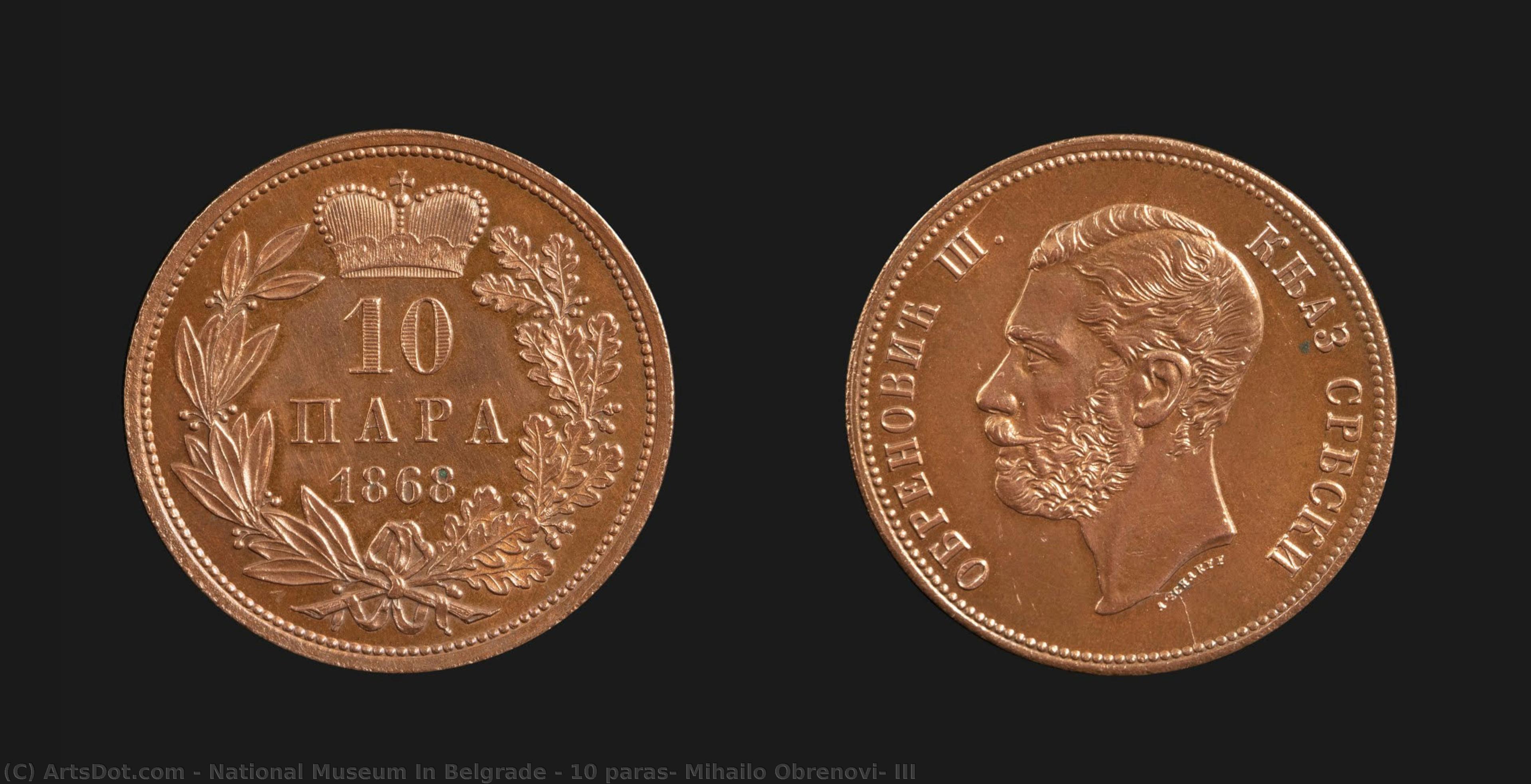
The National Museum's collection is remarkably diverse, encompassing artifacts from prehistoric times to the present day. Its archaeological holdings are particularly significant, featuring finds from *Vinča culture* – one of Europe’s earliest Neolithic civilizations – alongside Roman remains and medieval fortifications. The museum boasts an exceptional array of Serbian Orthodox icons, many dating back to the 14th and 15th centuries, showcasing the exquisite artistry and spiritual depth of Byzantine painting traditions. The collection of paintings includes works by leading Serbian artists such as *Paja Jovanović*, *Uroš Predić*, and *Mihailo Milovanović*, offering a comprehensive overview of Serbian realism and modernism. Beyond fine art, the museum houses extensive ethnographic collections documenting traditional costumes, crafts, and rural life; a rich numismatic collection tracing Serbia’s monetary history; and a significant holding of applied arts – ceramics, textiles, furniture, and metalwork – that reveal the skill and ingenuity of Serbian artisans.
Preserving Memory, Shaping Identity: The Museum's Enduring Legacy
The National Museum in Belgrade is more than just a repository of artifacts; it’s a powerful symbol of Serbian national identity and cultural resilience. Throughout its history, the museum has played a crucial role in shaping public understanding of Serbia’s past, fostering a sense of collective memory and pride. Its collections provide invaluable insights into the country's complex history – from ancient civilizations to medieval kingdoms, Ottoman rule, and modern nation-building. The Museum actively engages with contemporary issues, organizing exhibitions that explore themes of social justice, environmental sustainability, and cultural diversity. It also plays a vital role in international collaborations, promoting Serbian art and culture on a global stage. The ongoing efforts to digitize its collections and expand online access ensure that the museum’s treasures are available to audiences worldwide, preserving Serbia's heritage for generations to come. The National Museum stands as a living testament to the enduring power of art and history to connect us to our past and inspire our future.
Challenges and Future Directions
Despite its successes, the National Museum continues to face challenges common to many institutions in the region. Securing sustainable funding remains a priority, alongside ongoing efforts to conserve and restore its vast collections. The museum is also committed to addressing gaps in its representation – particularly regarding marginalized communities and underrepresented artistic voices. Future directions include expanding educational programs for children and young people; fostering greater community engagement through outreach initiatives; and developing innovative exhibitions that explore new perspectives on Serbian history and culture. The Museum’s leadership recognizes the importance of embracing digital technologies to enhance accessibility and reach wider audiences, while also maintaining its commitment to rigorous scholarship and ethical curatorial practices. Ultimately, the National Museum in Belgrade strives to be a dynamic and inclusive institution – a place where visitors can connect with Serbia's past, engage with its present, and imagine its future.


 Preview
 Send
Send Share
Share
 Details

 Download
 Similars
 X-Ray
X-Ray Diaporama

 Read More
 Buy Print