Menu
FREE ART CONSULTATION
PreviewPreview AR previewAR preview Buy Print Buy PrintBuy Hand Made Painting Buy Hand Made Painting SendSend
DetailsDetails Add to favorites Add to favorites DownloadDownload SimilarsSimilars X-RayX-Ray DiaporamaDiaporama

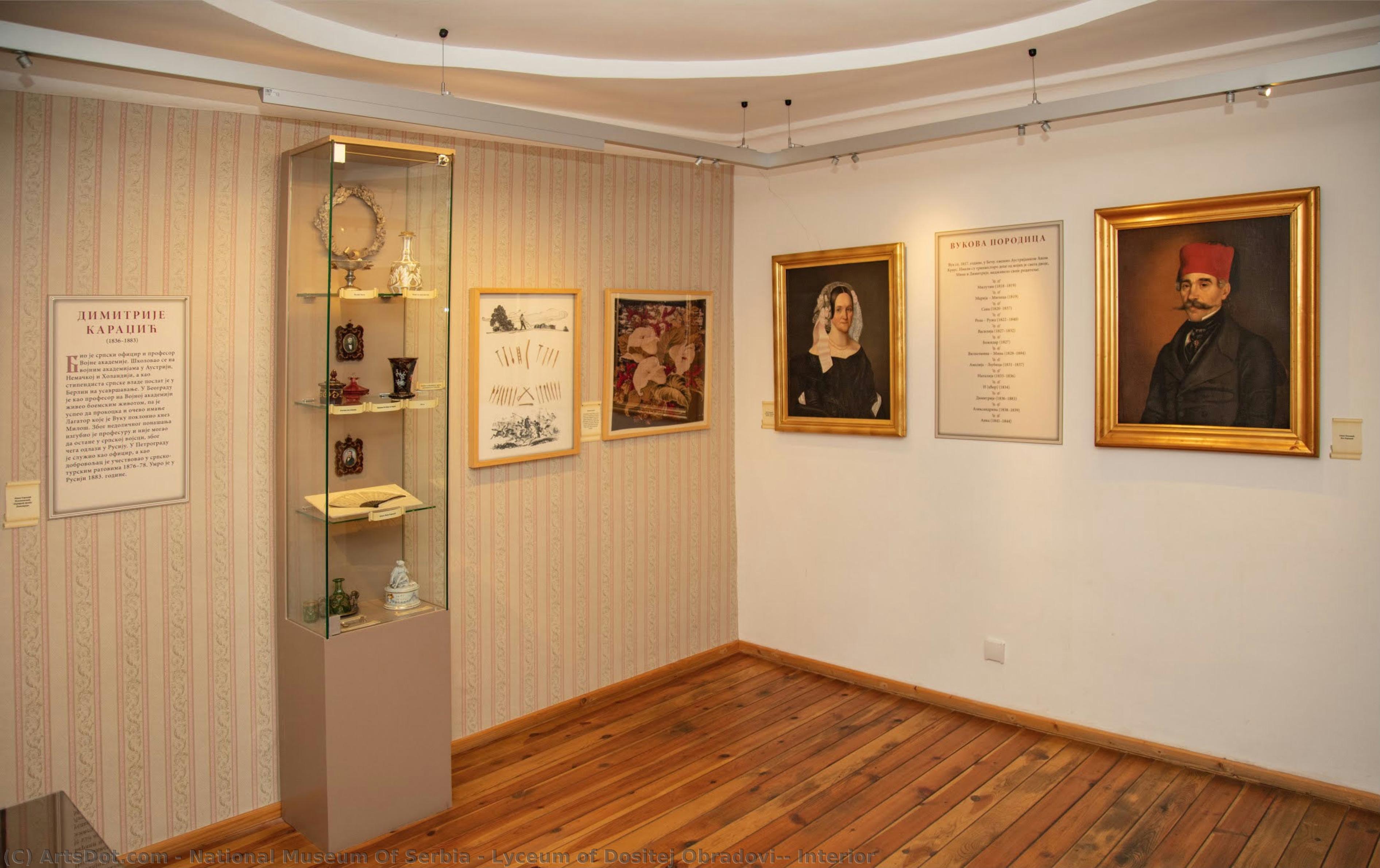
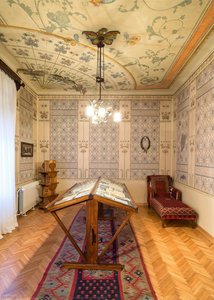
Lyceum of Dositej Obradović, Interior

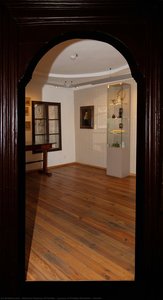
A nostalgic view of wooden textures and historic charm defines this interior of the Lyceum of Dositej Obradović by the National Museum of Serbia, inviting you to explore a timeless piece of Serbian cultural heritage.

The National Museum of Serbia houses an extensive collection spanning Serbian and European art history, including significant holdings of French Impressionist, Russian avant-garde, and English paintings donated by Prince Paul. Explore works by Renoir, Gauguin, Kandinsky, Repin, and more.

Purchase a high-resolution, enhanced digital image, far superior to the online preview.

Each file is meticulously prepared by our in-house specialists using advanced tools and expert manual retouching. We ensure every image has exceptional clarity, precise color accuracy, and fine detail.

The final file is delivered via email within 72 hours, optimized for immediate use in professional, editorial, and print environments. This is the same quality trusted by top-tier design studios, publishers, and galleries.

Digital Image

Download a high-resolution file for personal display, printing, and creative projects. (Buy Print Buy PrintBuy Hand Made Painting Buy Hand Made Painting)

Total Price

$ 24.00

Included in Every Digital Image Order

Expert Digital Delivery, Guaranteed

When you choose ArtsDot.com, you're not just getting an image - you're receiving a professionally enhanced digital artwork, crafted with precision and backed by a satisfaction guarantee. Here's everything that comes with your order, automatically:

shipping_icon
Fast Email Delivery

Your high-resolution digital image file will be emailed to you within 72 hours of ordering - ready for immediate use.

canvas_icon
AI-Enhanced Digital File

Your artwork is professionally optimized using advanced AI tools and manual editing, ensuring maximum detail, clarity, and color accuracy.

insurance_icon
Free Lifetime Re-Delivery

Accidentally deleted or lost your file? No worries - we'll resend it to you anytime, free of charge.

tax_icon
No Import Fees - Ever

Enjoy your artwork instantly with zero customs, duties, or delivery fees - digital downloads are always tax-free.

color_icon
Color Accuracy Guarantee

We ensure your digital image reflects the original colors as closely as possible using professional tools and color management.

return_icon
60-Day Satisfaction Guarantee

If you're not satisfied with your digital image, we'll revise it or refund 100% within 60 days - no questions asked.

guarantee_icon
100% Money-Back Guarantee

Not satisfied? Get a full refund within 60 days of receiving your digital file - no questions asked.

discount_icon
Bulk Order Discounts

Buy 3 images, save 10% - Buy 5, save 15% - Buy 10+, save 20%. Great for creative projects, galleries, and agencies.

Quick Facts

  • Subject or theme: Educational and intellectual setting
  • Title: Lyceum of Dositej Obradović, Interior
  • Artist: National Museum Of Serbia
  • Location: National Museum Of Serbia
  • Notable elements: Wooden textures, books, dining table

A Window into Serbian Intellectual Heritage

In the quiet, evocative depths of the Lyceum of Dositej Obradović, Interior, we find ourselves transported to a pivotal era of enlightenment and cultural rebirth. This captivating work, preserved within the prestigious collections of the National Museum of Serbia, serves as more than just a depiction of a room; it is a portal into the very soul of Serbian intellectual history. The scene captures the essence of an educational sanctuary, where the weight of knowledge is felt in every wooden texture and shadowed corner. As we gaze upon this interior, we are invited to witness the silent dialogue between scholars, surrounded by the scattered remnants of profound thought—books that hold the seeds of a nation's literacy and reform.

The composition masterfully balances the stillness of an academic retreat with the subtle presence of human life. Figures move through the space with a quiet purpose, their forms integrated into the rich, historical atmosphere of the Lyceum. The central dining table, draped in the gravity of scholarly pursuit, acts as an anchor for the room, surrounded by chairs that seem to hold the echoes of countless debates and late-night studies. Through the careful arrangement of these elements, the artist evokes a sense of nostalgia, inviting the viewer to contemplate the importance of tradition, education, and the enduring legacy of figures like Dositej Obradović.

The Artistry of Atmosphere and Texture

Technically, the piece excels in its ability to render the tactile reality of a bygone era. The artist employs a palette that emphasizes warmth and historical depth, utilizing rich wooden tones and soft, ambient lighting to create a sense of timelessness. There is a profound focus on the interplay of light and shadow, which lends a sculptural quality to the books scattered across surfaces and the furniture that defines the space. This mastery of texture—from the grain of the wood to the weathered edges of parchment—creates an immersive experience that appeals deeply to the senses.

For the discerning collector or interior designer, this artwork offers a unique opportunity to introduce a sense of "historic charm" and intellectual prestige into a contemporary setting. The painting does not merely decorate a wall; it anchors a room with its profound narrative weight. Whether placed in a private library, a sophisticated study, or an elegant living space, the Lyceum of Dositej Obradović provides a focal point of immense character. It is a piece that rewards long periods of contemplation, offering a serene yet intellectually stimulating presence that complements high-end, classical, or even modern minimalist aesthetics through its sheer emotional and historical gravity.
Artist Biography

A Legacy of Collections: The National Museum of Serbia

The National Museum of Serbia, established in Belgrade on May 10th, 1844, stands as the oldest and largest museum in the nation—a testament to a rich cultural heritage meticulously preserved over nearly two centuries. Its imposing structure, located at 1 Republic Square, has been its home since 1950, though the institution’s story extends far beyond the walls of any single building. The Museum wasn't founded as a monolithic entity but rather evolved from a series of smaller collections and societies dedicated to preserving Serbian history, art, and natural sciences. Initially focused on ethnography and archaeology, its scope broadened over time to encompass an impressive array of international artworks, particularly those acquired through the discerning eye of Prince Paul of Yugoslavia in the pre-World War II era. This period marked a turning point, transforming the Museum into a repository of global artistic treasures alongside its national holdings.

The Princely Patronage and International Scope

Prince Paul’s influence is undeniable when considering the breadth and depth of the National Museum's collection of Western European art. Recognizing the importance of cultural diplomacy and the power of art to elevate Serbia on the world stage, he embarked on an ambitious acquisition program in the 1930s and early 40s. This resulted in a remarkable influx of French, Russian, and English masterpieces—works that would otherwise be inaccessible to many Serbian audiences. The French collection alone boasts over 250 paintings and 400 graphics spanning from the 16th to the early 20th century, featuring luminaries like Robert Tournières, Eugène Delacroix, Gauguin, Renoir, Henri de Toulouse-Lautrec, and Monet. The Russian art holdings are equally impressive, with around 90 paintings and a significant collection of icons, including works by Ivan Aivazovsky, Marc Chagall, Wassily Kandinsky, and Ilya Repin. The English collection, largely assembled during the same period, showcases late 19th-century Impressionist and Post-Impressionist painters such as Alfred Sisley, Charles Conder, and Walter Sickert. These acquisitions weren’t merely about quantity; Prince Paul sought to build a cohesive narrative of European artistic development, offering Serbian audiences a comprehensive overview of major movements and styles.

French Art: A Dialogue with Modernity

The French art collection is perhaps the most extensive international holding within the Museum's walls. It isn’t simply a display of celebrated names but rather a carefully curated selection that reveals the evolution of French painting over several centuries. From the classical elegance of Nicolas Tournières—whose *Concert* is a notable highlight—to the vibrant brushstrokes of Impressionism and Post-Impressionism, the collection charts a course through pivotal moments in art history. The presence of artists like Cézanne and Degas speaks to an embrace of modernity and experimentation. The inclusion of works by Gauguin and Renoir introduces a fascination with color, light, and subjective experience—themes that would profoundly influence Serbian artists in the decades to come. Beyond paintings, the collection’s 400+ graphics offer a deeper understanding of artistic processes and techniques, showcasing sketches, etchings, and lithographs that provide insight into the creative minds behind these iconic works. The Šlomović Collection, comprising 58 paintings and over 200 graphics, further enriches this segment, adding another layer of depth and nuance to the Museum’s French holdings.

Russian Art: Icons and Avant-Garde Visions

The Russian art collection presents a fascinating contrast to its French counterpart. While also encompassing a broad chronological range, it is particularly distinguished by its significant number of icons—over 100 examples spanning from the 15th to the 19th century. These icons represent not only religious devotion but also a unique artistic tradition characterized by intricate detail, symbolic color palettes, and a profound sense of spirituality. Alongside these historical treasures, the collection features works by prominent Russian painters and sculptors who embraced both traditional and avant-garde styles. The presence of artists like Ivan Aivazovsky—renowned for his dramatic seascapes—and Wassily Kandinsky—a pioneer of abstract art—demonstrates a commitment to showcasing the full spectrum of Russian artistic expression. The inclusion of Marc Chagall, Ilya Repin, and Kazimir Malevich further solidifies the collection’s importance as a window into the dynamic world of early 20th-century Russian art.

A Continuing Legacy: Preservation and Engagement

Today, the National Museum of Serbia continues to fulfill its mission of preserving and promoting both Serbian and international cultural heritage. While the collections assembled under Prince Paul remain cornerstones of its holdings, the Museum actively seeks to expand its reach through exhibitions, educational programs, and scholarly research. The institution plays a vital role in fostering dialogue between cultures and inspiring future generations of artists and art enthusiasts. The free online database containing detailed information about all works within the museum is a testament to this commitment, making these treasures accessible to a global audience. The National Museum of Serbia isn’t merely a repository of artworks; it's a living institution—a vibrant hub where history, art, and culture converge.