 Preview
 Send
Send Share
Share
 Details

 Download
 Similars
 X-Ray
X-Ray Diaporama
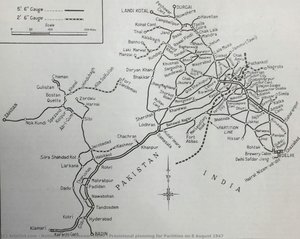
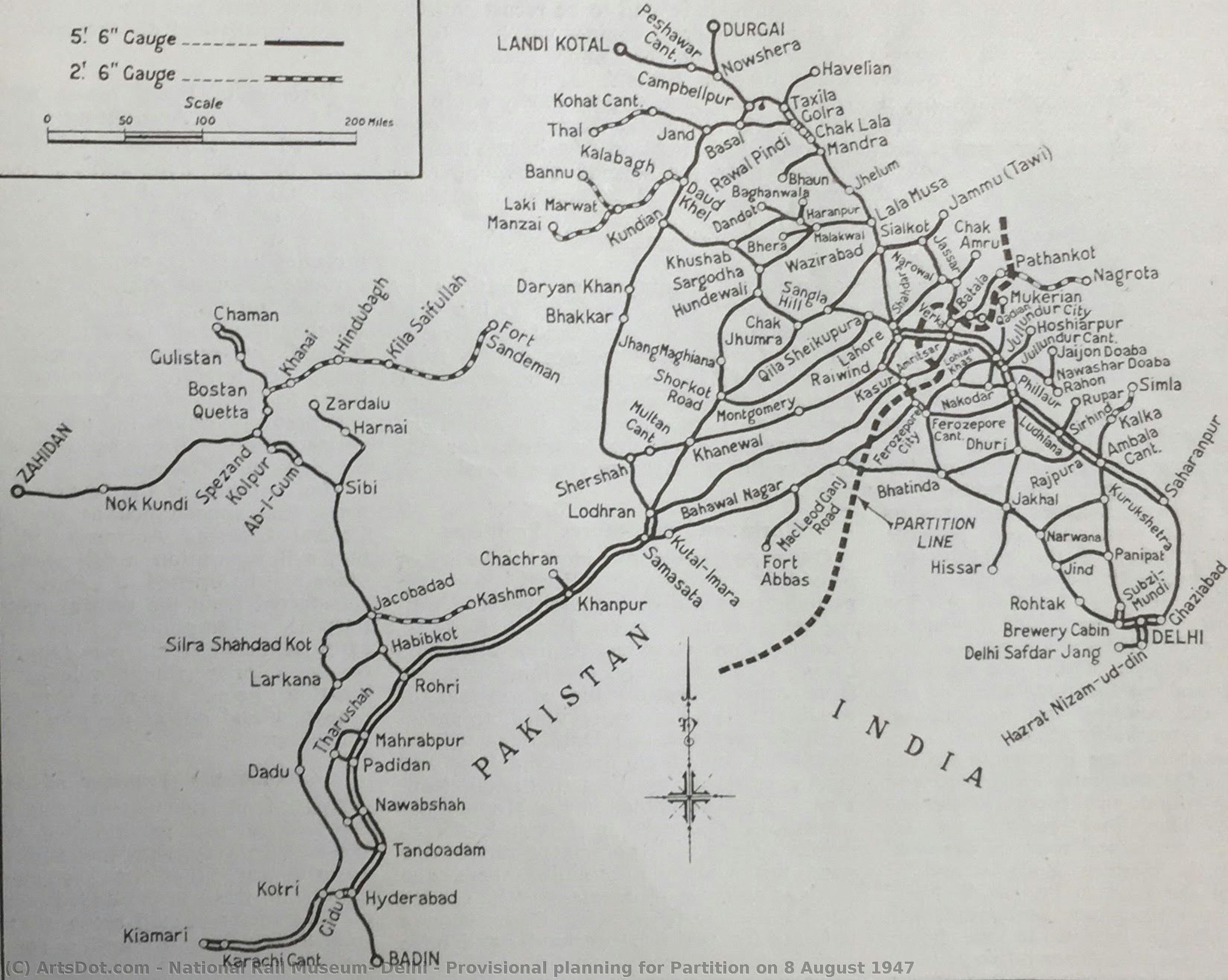
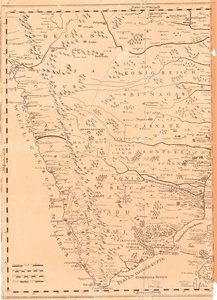
Provisional planning for Partition on 8 August 1947


 Read More
Giclée / Art Print
Museum-quality giclée or canvas print with fast production and flexible finish options. ( Buy Hand Made Painting Buy Image)




































Pick from our preset sizes that match the artwork's original proportions.

You may enter your own dimensions to fit a specific frame or space. If your selected size does not match the original image's proportions, we will either crop the artwork or extend the image with a mirrored or solid-fill edge. A digital mockup will be sent for your approval before production begins.
Please note that the on-screen preview does not reflect the actual cropping or extension. Only the mockup will accurately show the final composition.
While custom sizes are available, we recommend selecting a dimension from the predefined list to preserve the original proportions.
Worldwide Delivery () in 2 weeks instead of standard 4/5 weeks. (24 August)

Free Worldwide Express Shipping

High-Quality Linen Canvas

Full Shipping Insurance

Customs Tax Refund Guarantee

True Color Matching Guarantee

60-Day Return Policy (Defects Only)

100% Money-Back Guarantee

Bulk Discount Offer
 Glass option is only available in size under 110 CM

Provisional planning for Partition on 8 August 1947
Giclée / Art Print
Reproduction Size
-


Total Price
$ 63
Related Artworks







Artist Biography
The National Rail Museum: Preserving India’s Railway Heritage
The National Rail Museum in Delhi isn't simply a repository of locomotives and carriages; it is a vibrant chronicle of India’s social, industrial, and cultural evolution. Founded in 1977, the museum stands as one of the largest railway museums in Asia, meticulously curated to showcase over a century of Indian railway history. While not attributed to a single artist in the traditional sense, the Museum itself represents the collective vision and labor of generations of engineers, designers, historians, and preservationists dedicated to safeguarding this vital aspect of India’s past. Its “artistry” lies in the evocative power of its collection – each artifact a tangible link to a bygone era, meticulously restored and presented to tell compelling stories of progress, connection, and national identity.A Legacy Forged in Steam and Steel
The story of Indian Railways is inextricably linked to British colonial rule, beginning with the first passenger train journey from Bombay (now Mumbai) to Thane in 1853. The Museum’s collection reflects this foundational period, featuring beautifully preserved steam locomotives like the Fairy Queen – one of the oldest surviving working steam engines in the world. These early engines weren't merely feats of engineering; they were symbols of power and control, reshaping landscapes and economies. As India moved towards independence, the railways became increasingly indigenized, a process reflected in the later additions to the Museum’s holdings: diesel locomotives, electric engines, and intricately designed carriages that showcase the growing capabilities of Indian manufacturing. The museum doesn't shy away from portraying this complex history, acknowledging both the benefits and challenges associated with railway development during colonial times.Beyond Locomotives: A Window into a Nation’s Life
The National Rail Museum distinguishes itself by going beyond simply displaying rolling stock. It actively recreates the atmosphere of rail travel through meticulously crafted dioramas, historical photographs, and personal belongings donated by railway employees and passengers. Visitors can explore restored colonial-era waiting rooms, complete with period furniture and signage, or wander through a royal saloon carriage used by Maharajas and Viceroys. This immersive approach transforms the museum into a living history exhibit, allowing visitors to experience what it was like to travel across India in different eras. The collection also includes signal equipment, uniforms, railway maps, and even miniature train sets, offering a comprehensive glimpse into all facets of railway operations.Preservation, Education, and the Future of Heritage
The Museum’s commitment extends beyond preservation to active education and outreach. Workshops are regularly held for students and enthusiasts, teaching restoration techniques and fostering an appreciation for railway history. The Fairy Queen's continued operation as a heritage tourism train is a testament to this dedication – allowing passengers to experience the romance of steam travel while simultaneously raising awareness about the importance of preserving these historical artifacts. The Museum also plays a crucial role in documenting oral histories from railway employees, ensuring that their stories and experiences are not lost to time. Looking ahead, the National Rail Museum continues to expand its collection and embrace new technologies, utilizing digital exhibits and virtual reality experiences to engage a wider audience and ensure the enduring legacy of India’s railways for generations to come.Historical Significance & Enduring Impact
The National Rail Museum is more than just a museum; it's a national treasure. It serves as a powerful reminder of the transformative role that railways have played in shaping modern India, connecting disparate regions, fostering economic growth, and uniting a diverse population.- It highlights the engineering prowess developed over centuries.
- The museum showcases the social impact of rail travel on Indian society.
- It preserves invaluable artifacts that would otherwise be lost to decay or neglect.