 Preview
 Send
Send Share
Share
 Details

 Download
 Similars
 X-Ray
X-Ray Diaporama
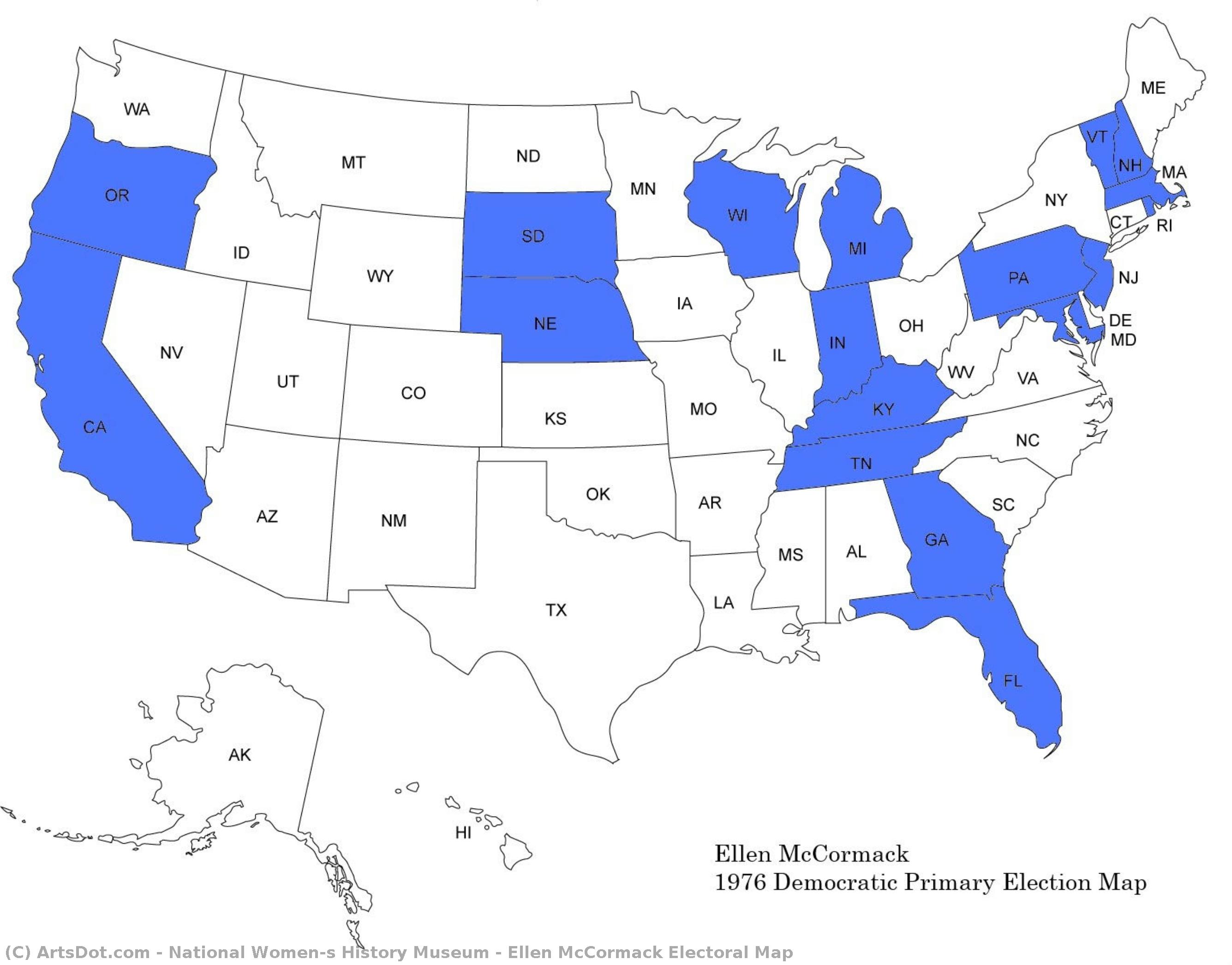
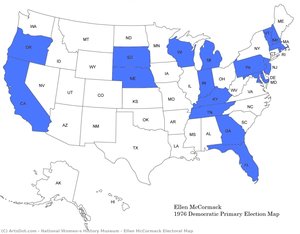
Ellen McCormack Electoral Map


 Read More
Giclée / Art Print
Museum-quality giclée or canvas print with fast production and flexible finish options. ( Buy Hand Made Painting Buy Image)




































Pick from our preset sizes that match the artwork's original proportions.

You may enter your own dimensions to fit a specific frame or space. If your selected size does not match the original image's proportions, we will either crop the artwork or extend the image with a mirrored or solid-fill edge. A digital mockup will be sent for your approval before production begins.
Please note that the on-screen preview does not reflect the actual cropping or extension. Only the mockup will accurately show the final composition.
While custom sizes are available, we recommend selecting a dimension from the predefined list to preserve the original proportions.
Worldwide Delivery () in 2 weeks instead of standard 4/5 weeks. (24 August)

Free Worldwide Express Shipping

High-Quality Linen Canvas

Full Shipping Insurance

Customs Tax Refund Guarantee

True Color Matching Guarantee

60-Day Return Policy (Defects Only)

100% Money-Back Guarantee

Bulk Discount Offer
 Glass option is only available in size under 110 CM

Ellen McCormack Electoral Map
Giclée / Art Print
Reproduction Size
-


Total Price
$ 63
Related Artworks

Artist Biography
A Singular Protest: The Legacy of Ellen McCormack
Ellen McCormack, a name often absent from mainstream art historical narratives, represents a powerful and poignant intersection of political activism and artistic expression. Her most recognized work, the “Electoral Map,” isn’t a traditional painting or sculpture but rather a meticulously crafted needlepoint depicting the United States, each state shaded to reflect its stance on abortion rights during the 1976 presidential election. This wasn't merely an artwork; it was a visual manifesto born from deep personal conviction and a desperate attempt to influence the national conversation surrounding reproductive freedom. McCormack’s story is one of quiet determination, transforming domestic craft into a potent symbol of protest in a deeply divided America. Born in 1936, McCormack’s life unfolded against a backdrop of shifting social norms and burgeoning feminist movements. While details regarding her early artistic training remain scarce—her work wasn't rooted in formal art education but rather in the practical skills learned through homemaking—it is clear that needlepoint held a significant place in her life long before it became a vehicle for political statement. She was, by all accounts, a dedicated wife and mother, raising a large family alongside her husband, Frank McCormack. It was within this domestic sphere that she found both the medium and the impetus for her extraordinary artistic endeavor. The 1973 Roe v. Wade decision ignited a fierce national debate, and McCormack felt compelled to respond. She wasn’t an activist in the traditional sense; she didn't organize rallies or lead protests. Instead, she channeled her energy into creating something tangible, something that could visually represent the complex landscape of abortion rights across the country.The Creation of a Visual Argument
The “Electoral Map” is a testament to McCormack’s dedication and painstaking labor. Each state was painstakingly rendered in needlepoint, utilizing shades of red to indicate states with restrictive abortion laws, blue for those with more permissive policies, and purple for states where the legal status remained ambiguous or contested. The project consumed her for over two years, becoming an all-encompassing obsession. It wasn’t simply about marking geographical boundaries; it was a deeply personal act of mapping moral convictions. She researched each state's legislation meticulously, ensuring accuracy in her representation. This commitment to factual detail lent the artwork a sense of authority and underscored its purpose as a serious political statement. The scale of the map—nearly six feet by nine feet—is also significant. It demands attention, forcing viewers to confront the issue head-on.A Campaign on Canvas (and Needlepoint)
McCormack didn’t intend for the “Electoral Map” to remain a private expression of her beliefs. She envisioned it as a tool for raising awareness and influencing public opinion during the 1976 presidential election. In an audacious move, she ran as an independent candidate specifically on a pro-life platform. The map served as the centerpiece of her campaign, traveling with her to rallies and events across the country. While her bid for the presidency was ultimately unsuccessful—she received minimal votes—the “Electoral Map” garnered significant media attention, sparking debate and forcing a conversation about abortion rights that extended beyond traditional political circles. She understood the power of visual communication in an era dominated by television and print media, and she skillfully leveraged her artwork to amplify her message.Historical Significance and Enduring Impact
Ellen McCormack’s legacy extends far beyond her unsuccessful presidential campaign. The “Electoral Map” is now part of the permanent collection of the National Women's History Museum, a testament to its enduring historical significance. It stands as a unique example of craftivism—the intersection of crafting and activism—and demonstrates the power of individual expression in shaping public discourse. Her work challenged conventional notions of what constituted “art,” blurring the lines between domestic labor and political statement.- Challenging Artistic Boundaries: McCormack’s use of needlepoint elevated a traditionally undervalued craft form to the level of high art, prompting viewers to reconsider their perceptions of artistic expression.
- A Voice for the Unrepresented: She provided a platform for pro-life voices often marginalized in mainstream political debates.
- The Power of Visual Protest: The “Electoral Map” demonstrated the effectiveness of visual communication in raising awareness and influencing public opinion.
- Inspiring Future Activists: Her story continues to inspire artists and activists alike, encouraging them to use their creativity as a tool for social change.
Quick Facts
- Date Of Death: Living
- Full Name: Ellen McCormack
- Notable Artworks: ['Electoral Map']