 Preview
 Send
Send Share
Share
 Details

 Download
 Similars
 X-Ray
X-Ray Diaporama
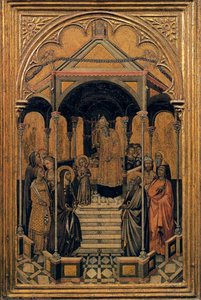
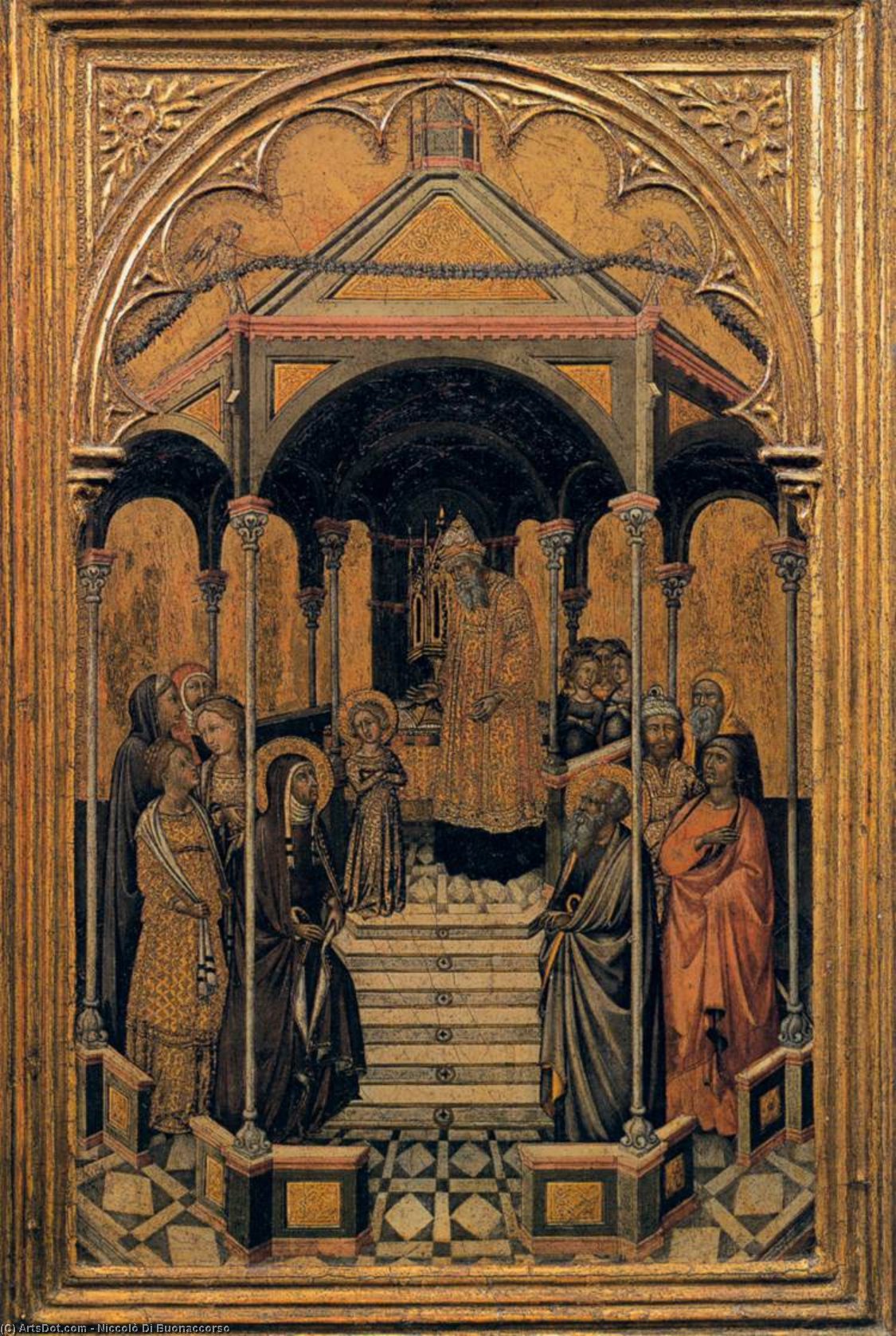
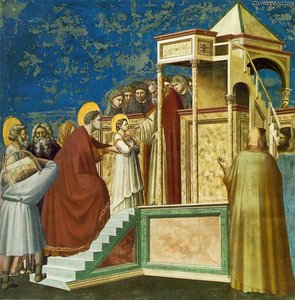
Presentation of the Virgin at the Temple
 Painting
- Trecento Gothic
 1379
1379 51.0 x 34.0 cm
 Galleria degli Uffizi
 Read More
Hand Made Oil Reproduction
Hand-painted oil on canvas in your size and frame, made to order by our artists. ( Buy Print Buy Image)




P118B $10

P118H $10

P118W $10

P438Z $10

P508JH $12

P508YH $12

P805H $10

P805Z $10

P919BZ $10

P919G $10

P919XJ $10

P959ZH $10

P968JZ $12

W106C $8

W218G $10

W218JH $8

W218Y $10

W307PJ $10

W316G $10

W316PJ $8

W316Y $10

W398PJ $8

W4111J $10

W500HY $15

W500JH $15

W692G $12

W849H $8

W940BG $15

W953PJ $8




Pick from our preset sizes that match the artwork's original proportions.

You may enter your own dimensions to fit a specific frame or space. If your selected size does not match the original image's proportions, we will either crop the artwork or extend the painting with additional hand-painted elements. A digital mockup will be sent for your approval before production begins.
Please note that the on-screen preview does not reflect the actual cropping or extension. Only the mockup will accurately show the final composition.
While custom sizes are available, we recommend selecting a dimension from the predefined list to preserve the original proportions.
After order, ArtsDot.com team will email client for instructions and provide a mockup preview
Worldwide Delivery () in 3/4 weeks instead of standard 5 weeks. (30 August). No compromise on quality.

Free Worldwide Express Shipping

High-Quality Linen Canvas

Full Shipping Insurance

Customs Tax Refund Guarantee

True Color Matching Guarantee

60-Day Return Policy (Defects Only)

100% Money-Back Guarantee

Bulk Discount Offer
 Glass option is only available in size under 110 CM

Presentation of the Virgin at the Temple
Reproduction Medium
Reproduction Size
-


Total Price
$ 263
A Sacred Moment in Sienese Splendor
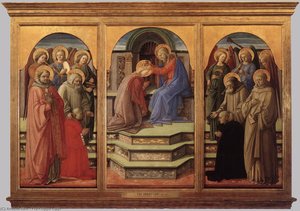
Gazing upon this depiction of the Presentation of the Virgin at the Temple, one is immediately transported back to the vibrant artistic heart of 14th-century Siena. The scene unfolds with a palpable sense of reverence and meticulous detail, capturing not merely an event, but a profound moment in Christian tradition. Niccolò di Buonaccorso, a master whose hand breathed life into illusionistic splendor, has gifted us a vision where the sacred narrative meets breathtaking craftsmanship. The composition is rich with figures—the Virgin Mary, surrounded by her parents and other solemn participants—all rendered in the sumptuous garb of the medieval era, lending an air of timeless grandeur to the proceedings.
Mastery in Miniature Detail: Technique and Craft
What distinguishes Buonaccorso’s work is his astonishing command over miniaturist technique. Though the subject matter is grand in scope—set against the backdrop of an ornate Temple structure that speaks of architectural majesty—the execution suggests an almost obsessive attention to every fold of fabric and gesture of the hand. The artist did not simply paint figures; he constructed a believable, breathing world. One can observe the subtle interplay of light across the richly colored garments, hallmarks of the Sienese school’s dedication to luminous surface treatment. This level of refined detail ensures that even in reproduction, the viewer feels connected to the painstaking labor and technical brilliance of the original hand.
Symbolism Woven into the Fabric
The Presentation itself is steeped in deep symbolism. It marks Mary's formal introduction into the religious life, a moment charged with prophecy and divine acknowledgment. The presence of figures holding books suggests the weight of scripture and established doctrine, while the regal touches, such as the crowns worn by some participants, elevate the human drama to an almost royal, sacred plane. Every individual within this composition seems imbued with symbolic meaning, guiding the viewer's eye through a narrative tapestry woven from faith, lineage, and divine promise.
Echoes of the Trecento Spirit
To own or display a reproduction inspired by Niccolò di Buonaccorso is to invite a piece of history into your contemporary space. This painting anchors itself firmly in the spirit of the Trecento—a period when art was deeply intertwined with civic and spiritual life. It speaks to an era where patronage fueled breathtaking artistic ambition. For the collector or designer, this work offers more than mere decoration; it provides a focal point steeped in narrative weight and historical resonance. It is an object that commands contemplation, inviting quiet reflection upon enduring themes of devotion and beauty.
Related Artworks
![Scrovegni - [08] - Presentation Of The Virgin In The Temple — Giotto Di Bondone, Gothic](/media/artworks/images-thumb/c1/7a/c17a2ed76c428a5ee5f857556b2e7009.jpg)
Artist Biography
Niccolò di Buonaccorso: A Sienese Master of Illusionistic Detail
Niccolò di Buonaccorso, also niccolò di niccolò di buonaccorso or bonaccorso, was an italian painter and one of the most prominent sienese painters of the 14th century. The small body of his work that survives shows the artist's highly refined miniaturist technique. He was born in Siena around 1388, though little is known about his early life beyond his father’s role as a painter – buonaccorso di pace (fl c. 1348–c. 1362). Buonaccorso’s artistic lineage suggests an immersion in the traditions of sienese painting during the Trecento, where he absorbed influences from masters like Jacopo di Mino del Pellicciaio and Pietro Lorenzetti.- Early Career & Guild Membership: Niccolò enrolled in the guild of sienese painters in 1355, marking a crucial step towards establishing his professional identity within Siena’s artistic community.
- Political Involvement: From May and June 1372 and March and April 1376, Buonaccorso served on the government of siena, demonstrating an engagement with civic life alongside his artistic pursuits.
- Honorary Gonfaloniere: In 1381 he was elected honorary gonfaloniere in the parish of san martino, highlighting his respected position within sienese society.
Notable Commissions & Artistic Achievements
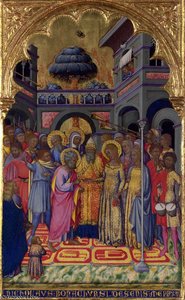
Buonaccorso’s artistic reputation solidified through significant commissions, notably the undertaking to decorate the capello over the high altar of Siena Cathedral in 1376 – a project that exemplifies his mastery of illusionistic techniques and spatial representation. Furthermore, he created a panel depicting Daniel for the cathedral altar in 1383, showcasing his ability to convey religious narratives with meticulous detail. Although only two signed works survive—the Marriage of the Virgin (National Gallery) and a fragmentary polyptych dated 1387—these pieces offer invaluable insight into Buonaccorso’s artistic style and technical prowess.- The Marriage of the Virgin: This panel, housed in the National Gallery, exemplifies Buonaccorso's characteristic approach to painting – characterized by a sophisticated use of perspective and vibrant color palettes.
- The Polyptych Fragment: Despite its incomplete state, the polyptych provides evidence of Buonaccorso’s ambition to tackle large-scale projects and his dedication to exploring complex compositional arrangements.
Style & Influences
Buonaccorso's artistic style aligns closely with that of sienese masters from the Trecento, particularly Jacopo di Mino del Pellicciaio. He skillfully employed illusionistic techniques—such as aerial perspective—to create convincing representations of space and depth, mirroring the stylistic innovations prevalent during his time. Buonaccorso’s work also absorbed influences from Pietro Lorenzetti and Simone Martini, reflecting the broader artistic landscape of Siena during the late 14th century. His meticulous attention to detail and refined technical skill distinguish him as a standout figure within sienese painting.Historical Significance
Niccolò di Buonaccorso’s contribution to sienese art is significant not only for his stylistic achievements but also for his participation in the civic life of Siena during a period marked by political upheaval and artistic flourishing. His paintings serve as tangible reminders of the cultural vibrancy of the Trecento and demonstrate the enduring legacy of sienese painting traditions. Buonaccorso’s work continues to inspire admiration for its beauty, precision, and masterful execution—a testament to his artistry and place within sienese art history.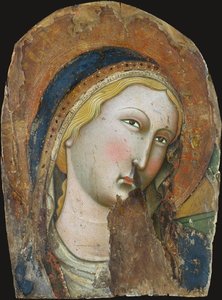
niccolò di buonaccorso
1388 , Italy
Quick Facts
- Artistic Movement Or Style: Trecento Painting; Gothic Realism
- Artists Or Movements Influenced By This Artist: ['Simone Martini']
- Artists Who Influenced This Artist: ['Paolo di Giovanni Fei']
- Date Of Birth: Siena, Italy ()
- Date Of Death: 1388
- Full Name: Niccolò di Buonaccorso
- Nationality: Italian
- Notable Artworks:
- Marriage of the Virgin
- Virgin and Child Enthroned with Saints
- Daniel Panel Siena
- Place Of Birth: Siena
Related Articles
High Medieval Art: 10 Masterpieces That Shaped an Era | ArtsDot
Journey through High Medieval Art! Explore 10 iconic masterpieces – from Giotto's frescoes to stunning Gothic cathedrals. Discover the stories behind these timeless paintings, sculptures & illuminated manuscripts. Find museum-quality art reproductions at ArtsDot.com.
Late Medieval Masterpieces: 10 Artworks That Defined an Era | ArtsDot
Journey through 10 defining Late Medieval masterpieces – from Giotto's frescoes to Jan van Eyck’s realism. Explore the stories, techniques & vibrant colors of Gothic art. Find museum-quality reproductions and elevate your home decor with ArtsDot.com! Discover all masterpieces on ArtsDot.com
Giotto's Masterpieces: 25 Renaissance Artworks for Your Home | ArtsDot
Explore 25 breathtaking artworks by Giotto di Bondone, a Renaissance master. Discover the stories behind iconic frescoes & paintings like the Scrovegni Chapel cycle. Find museum-quality Giotto reproductions and elevate your home decor with ArtsDot.com.
Sacred Narratives on Canvas: Exploring Religious Painting Through History
Explore the rich history of religious painting with ArtsDot.com! Discover iconic artworks, symbolism & techniques from antiquity to the Renaissance. Enhance your art appreciation today.
Jacob Henricus Maris: A Master of Dutch Atmospheric Realism & the Intimate Landscape
Explore the captivating world of Jacob Henricus Maris, a leading figure of the Dutch Hague School. Discover his atmospheric landscapes, signature brushstrokes & lasting influence on 19th-century art. Learn more at ArtsDot.