

 Preview
 Send
Send Share
Share
 Details

 Download
 Similars
 X-Ray
X-Ray Diaporama
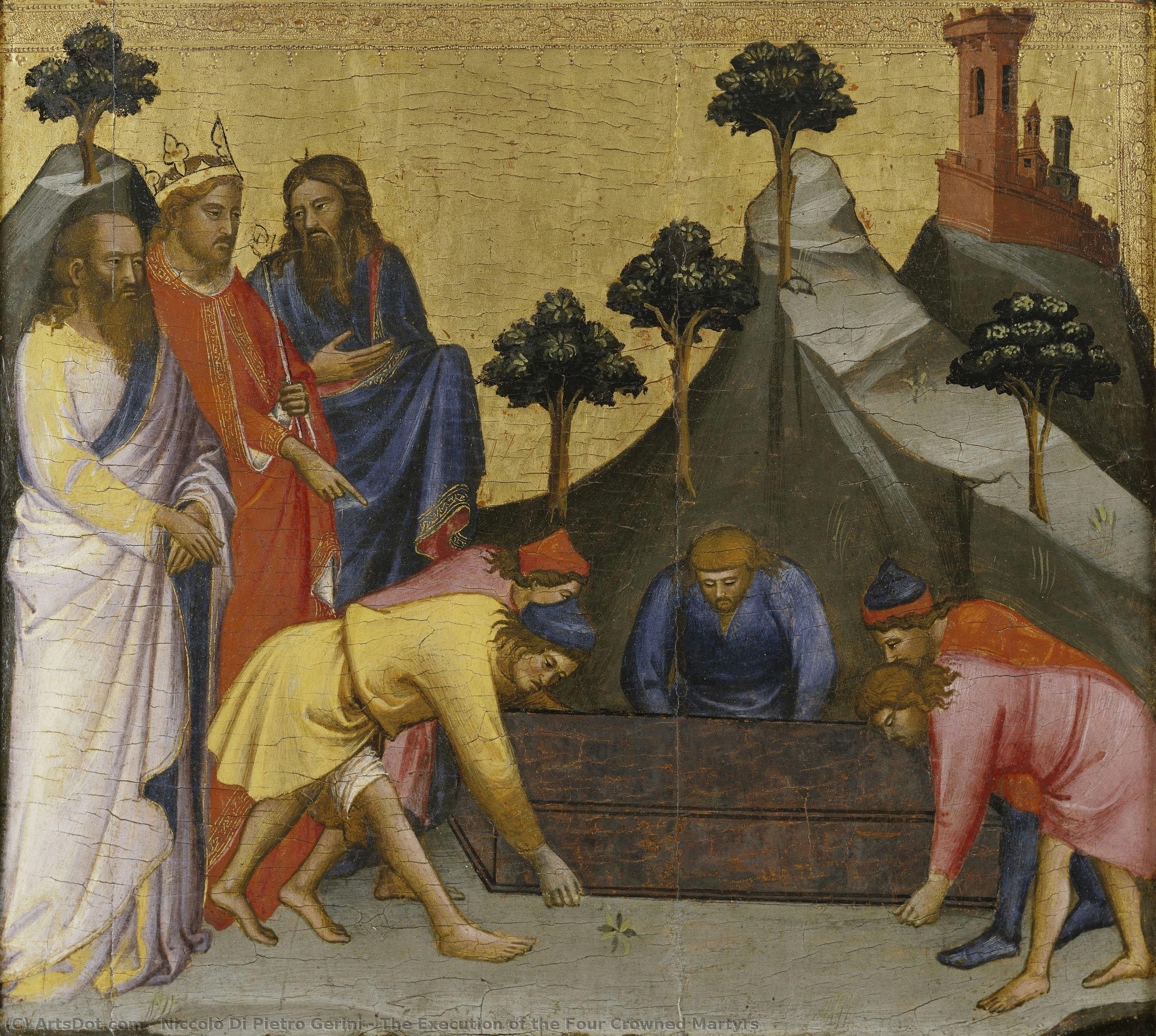
The Execution of the Four Crowned Martyrs


 Read More
Purchase a high-resolution, enhanced digital image, far superior to the online preview.
Each file is meticulously prepared by our in-house specialists using advanced tools and expert manual retouching. We ensure every image has exceptional clarity, precise color accuracy, and fine detail.
The final file is delivered via email within 72 hours, optimized for immediate use in professional, editorial, and print environments. This is the same quality trusted by top-tier design studios, publishers, and galleries.
Digital Image
Download a high-resolution file for personal display, printing, and creative projects. ( Buy Print Buy Hand Made Painting)
Included in Every Digital Image Order
Expert Digital Delivery, Guaranteed
When you choose ArtsDot.com, you're not just getting an image - you're receiving a professionally enhanced digital artwork, crafted with precision and backed by a satisfaction guarantee. Here's everything that comes with your order, automatically:

Fast Email Delivery
Your high-resolution digital image file will be emailed to you within 72 hours of ordering - ready for immediate use.

AI-Enhanced Digital File
Your artwork is professionally optimized using advanced AI tools and manual editing, ensuring maximum detail, clarity, and color accuracy.

Free Lifetime Re-Delivery
Accidentally deleted or lost your file? No worries - we'll resend it to you anytime, free of charge.

No Import Fees - Ever
Enjoy your artwork instantly with zero customs, duties, or delivery fees - digital downloads are always tax-free.

Color Accuracy Guarantee
We ensure your digital image reflects the original colors as closely as possible using professional tools and color management.

60-Day Satisfaction Guarantee
If you're not satisfied with your digital image, we'll revise it or refund 100% within 60 days - no questions asked.

100% Money-Back Guarantee
Not satisfied? Get a full refund within 60 days of receiving your digital file - no questions asked.

Bulk Order Discounts
Buy 3 images, save 10% - Buy 5, save 15% - Buy 10+, save 20%. Great for creative projects, galleries, and agencies.
Collectible Description
A Vision of Devotion and Sacrifice
In the profound stillness of Niccolò di Pietro Gerini’s The Execution of the Four Crowned Martyrs, we are transported to a pivotal moment of spiritual endurance. This evocative masterpiece captures the harrowing climax of a sacred narrative, where four skilled craftsmen—the legendary martyrs—face their ultimate fate within a desolate, earth-filled pit. The composition is a masterclass in dramatic tension; Gerini skillfully arranges the figures to guide the viewer’s eye through a landscape of both physical suffering and divine resolve. Some martyrs kneel in prayerful submission, while others stand with a stoic grace that defies their impending doom. Surrounding this central tragedy is a silent congregation of onlookers, whose varied expressions of grief, curiosity, and solemnity create a layered psychological depth that pulls the observer into the very heart of the Florentine drama.
The painting serves as a breathtaking window into the late Gothic period, an era where the rigid elegance of tradition began to breathe with the first whispers of Renaissance naturalism. As a prominent figure in the Florentine school, Gerini utilizes a technique that balances the decorative splendor of his predecessors with an emerging interest in human emotion and physical presence. The textures of the earth, the heavy folds of the garments, and the stark, somber lighting all work in harmony to heighten the painting's visceral impact. For the discerning collector or interior designer, this piece offers more than mere decoration; it provides a profound focal point that commands attention through its historical weight and its ability to evoke a sense of timeless reverence.
Symbolism and the Florentine Legacy
Beyond the immediate tragedy of the scene, every element within Gerini’s work is imbued with deep symbolic significance. The "crowns" mentioned in the title are not merely physical regalia but represent the spiritual triumph of the martyrs over earthly persecution. The pit itself acts as a liminal space—a threshold between the mortal world and the divine. Through his use of color and form, Gerini communicates the concept of martyrdom as a transformative act of faith. The interplay between the light hitting the figures and the shadows swallowing the periphery serves to emphasize the struggle between darkness and enlightenment, a theme that resonates deeply within the context of 14th-century religious devotion.
To possess a reproduction of this work is to invite a piece of Florentine history into one's personal sanctuary. It is an ideal acquisition for those who appreciate art that tells a story of resilience and the indomitable human spirit. Whether placed in a curated gallery setting or as a sophisticated centerpiece in a classically styled room, The Execution of the Four Crowned Martyrs brings an atmosphere of contemplative elegance and intellectual depth. It stands as a testament to the era of Niccolò di Pietro Gerini, reminding us that even in the most somber moments of history, there is a profound beauty to be found in the pursuit of truth and conviction.
Related Artworks
Artist Biography
A Florentine Bridging Worlds: The Life and Art of Niccolò di Pietro Gerini
The Florence of the late 14th and early 15th centuries was a crucible of artistic innovation, poised on the brink of the Renaissance. Within this vibrant milieu lived Niccolò di Pietro Gerini, a painter whose work embodies the transition from the elegant stylizations of the Gothic period to the burgeoning naturalism that would define the new era. Born around 1368 in Florence and passing away circa 1415, Gerini’s career unfolded against a backdrop of artistic ferment, where tradition and experimentation danced a delicate balance. His father, Pietro Geri, was himself a member of the Guild of Saint Luke, suggesting an upbringing steeped in artistic practice—a familial legacy that would continue with Niccolò's son, Bindo, also becoming a painter. Registered with the Arte dei Medici e Speziali in 1368, Gerini’s early involvement within Florentine guilds demonstrates his immediate integration into the city’s thriving art world.Echoes of Giants: Influences and Artistic Development
Gerini did not emerge from a vacuum; his artistic sensibility was deeply informed by the masters who preceded him. He is firmly rooted in the school of Giotto di Bondone, inheriting a commitment to expressive figures and a nascent naturalism that broke away from the rigid conventions of Byzantine art. However, Gerini’s style wasn't merely imitative. The influence of Andrea di Orcagna and Taddeo Gaddi are also readily apparent, contributing to a distinctive aesthetic characterized by dramatic movement and a certain monumentality. His figures often exhibit recognizable traits—large chins, sloping foreheads, sharp noses, and somewhat squat bodies—features typical of Gothic depictions that prioritized symbolic representation over strict anatomical accuracy. Yet, within these conventions, Gerini infused his compositions with a dynamic energy, hinting at the emotional intensity that would become a hallmark of Renaissance art. He wasn’t necessarily an innovator in the same vein as Masaccio or Donatello, but he skillfully synthesized existing traditions, creating works that resonated with contemporary audiences and paved the way for future developments.Collaborations and Commissions: A Career Defined by Partnership
A significant aspect of Gerini's career was his frequent collaboration with Jacopo di Cione, a prominent Florentine artist in his own right. These partnerships were common practice during the period, reflecting both economic realities and the collaborative spirit within artistic workshops. Together, they undertook several important projects, including frescoes for the Guildhall of Judges and Notaries (circa 1366), now lost to time but documented through historical records. Their collaboration extended to multiple altarpieces dedicated to the *Coronation of the Virgin*—one for San Pier Maggiore (1370) where Gerini is credited with the design, while Jacopo executed it, and another for the Mint of Florence (1372). The fresco of the Annunciation in Volterra (1383) further exemplifies their working relationship, revealing a clear division of labor between the two artists. Beyond his work with Cione, Gerini received numerous independent commissions. He created a poignant fresco depicting orphans being handed over to adoptive parents on the façade of the Bigallo (1386), showcasing his narrative skill and sensitivity. Other notable works include the *Dossal of the Entombment of Christ* in the oratory of S. Carlino, and the *Triptych of the Baptism of Christ*, originally created for an altar in the Camaldolese monastery of S. Maria degli Angeli. He also left his mark on Palazzo Datini in Prato and frescoed capitals in the church of San Francesco in Pisa, demonstrating a widespread demand for his artistic services. Finally, he contributed frescoes to Santa Croce, depicting scenes from the life of Christ.Legacy and Historical Significance
Niccolò di Pietro Gerini occupies a crucial position in Florentine art history as a representative of the late Gothic style during a period of profound transformation. He embodies a pivotal moment—bridging the innovations of Giotto with the emerging aesthetic principles of the Renaissance. His frequent collaborations highlight the collaborative nature of artistic production during this era, while his role as a teacher—Lorenzo di Niccolò di Martino trained in his workshop—demonstrates his influence on subsequent generations of artists. Gerini’s commitment to preserving traditional Gothic techniques and compositional approaches ensured the continuity of artistic traditions in Florence, even as new ideas began to take hold. While perhaps not celebrated with the same fervor as some of his more revolutionary contemporaries, Niccolò di Pietro Gerini remains a vital figure for understanding the complex evolution of Florentine painting and the delicate interplay between tradition and innovation that defined one of history’s most remarkable artistic periods. His work offers a compelling glimpse into a world on the cusp of change—a world where the echoes of the past resonated with the promise of a new dawn.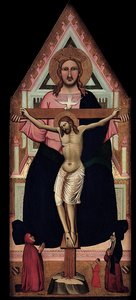
Niccolò di Pietro Gerini
1368 - 1415 , Italy
Quick Facts
- Artistic Movement Or Style: Late Gothic
- Artists Or Movements Influenced By This Artist: ['Lorenzo di Niccolò']
- Artists Who Influenced This Artist:
- Giotto di Bondone
- Andrea Orcagna
- Taddeo Gaddi
- Date Of Birth: c. 1368
- Date Of Death: c. 1415
- Full Name: Niccolò di Pietro Gerini
- Nationality: Italian
- Notable Artworks:
- Virgin of Humility
- Scenes from St Eloi's Legend
- Frame Roundel
- Entombment of Christ
- Baptism of Christ
- Place Of Birth: Florence, Italy

