

 Preview
 Send
Send Share
Share
 Details

 Download
 Similars
 X-Ray
X-Ray Diaporama
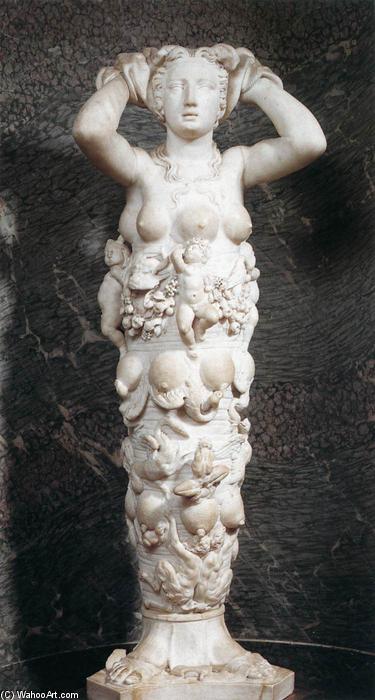
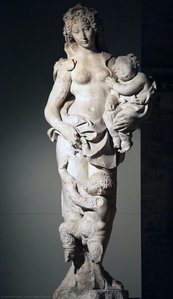
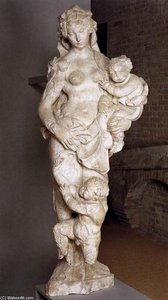
The Goddess of Nature


 Read More
Purchase a high-resolution, enhanced digital image, far superior to the online preview.
Each file is meticulously prepared by our in-house specialists using advanced tools and expert manual retouching. We ensure every image has exceptional clarity, precise color accuracy, and fine detail.
The final file is delivered via email within 72 hours, optimized for immediate use in professional, editorial, and print environments. This is the same quality trusted by top-tier design studios, publishers, and galleries.
Digital Image
Download a high-resolution file for personal display, printing, and creative projects. ( Buy Print Buy Hand Made Painting)
Included in Every Digital Image Order
Expert Digital Delivery, Guaranteed
When you choose ArtsDot.com, you're not just getting an image - you're receiving a professionally enhanced digital artwork, crafted with precision and backed by a satisfaction guarantee. Here's everything that comes with your order, automatically:

Fast Email Delivery
Your high-resolution digital image file will be emailed to you within 72 hours of ordering - ready for immediate use.

AI-Enhanced Digital File
Your artwork is professionally optimized using advanced AI tools and manual editing, ensuring maximum detail, clarity, and color accuracy.

Free Lifetime Re-Delivery
Accidentally deleted or lost your file? No worries - we'll resend it to you anytime, free of charge.

No Import Fees - Ever
Enjoy your artwork instantly with zero customs, duties, or delivery fees - digital downloads are always tax-free.

Color Accuracy Guarantee
We ensure your digital image reflects the original colors as closely as possible using professional tools and color management.

60-Day Satisfaction Guarantee
If you're not satisfied with your digital image, we'll revise it or refund 100% within 60 days - no questions asked.

100% Money-Back Guarantee
Not satisfied? Get a full refund within 60 days of receiving your digital file - no questions asked.

Bulk Order Discounts
Buy 3 images, save 10% - Buy 5, save 15% - Buy 10+, save 20%. Great for creative projects, galleries, and agencies.
Related Artworks
Artist Biography
Niccolò di Raffaello di Niccolò dei Pericoli (Tribolo): The Architect of Myth and Water
Born in Florence around 1500, Niccolò di Raffaello di Niccolò dei Pericoli – known to posterity as Tribolo – was a pivotal figure in the late Renaissance, a master sculptor and architect whose unique vision transformed the aesthetic landscape of Florence and beyond. Often overshadowed by his more celebrated contemporaries, Tribolo’s legacy lies not just in individual masterpieces but in his pioneering approach to integrating mythology, classical ideals, and innovative engineering into grand public works – particularly the creation of elaborate fountains and decorative architectural features for the Medici court. His career, though tragically short, left an indelible mark on the visual culture of his time.
Tribolo’s early life was steeped in craftsmanship. He began as a woodcarver's apprentice, absorbing fundamental techniques that would later inform his sculptural work. However, it was Andrea Sansovino who recognized Tribolo’s exceptional talent and took him under his wing, providing crucial training in classical anatomy and design. This formative period instilled in Tribolo a deep appreciation for the principles of ancient Greece and Rome, which he would subsequently weave into his own distinctive style. Giorgio Vasari, in his seminal *Lives of the Artists*, highlights Tribolo’s early contributions to several projects, emphasizing his burgeoning skill and the growing recognition of his potential within the Florentine artistic community.
The Fountains of Florence: A Symphony of Water and Myth
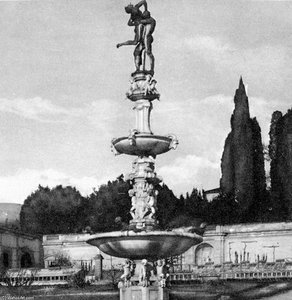
Tribolo's fame rests primarily on his extraordinary fountains – a revolutionary genre in Renaissance art. Unlike earlier, simpler water features, Tribolo’s creations were not merely functional; they were meticulously designed theatrical spectacles, imbued with mythological narratives and classical allusions. His most celebrated work, the “Fountain of Hercules and Antaeus” (circa 1536-1537), stands as a testament to his genius. This monumental fountain, installed in Piazza San Lorenzo, depicts the legendary hero Hercules wrestling the giant Antaeus, who gains strength from plunging into the sea. The scene is rendered with astonishing realism and dramatic flair, showcasing Tribolo’s mastery of marble carving and his ability to convey complex narratives through sculpture.
Beyond the “Fountain of Hercules and Antaeus,” Tribolo designed numerous other fountains for Florence, including those in Piazza della Signoria and Palazzo Vecchio. Each fountain was a carefully orchestrated composition, integrating sculptures, architectural elements, and water features to create a cohesive and immersive experience. He employed innovative engineering techniques – incorporating hidden channels, pumps, and even rudimentary plumbing systems – to ensure the smooth flow of water and the dramatic presentation of his designs. His fountains were not simply decorative; they served as powerful symbols of Medici power and patronage, celebrating both classical ideals and Florentine civic pride.
Beyond the Fountain: Architectural Innovation and the Boboli Gardens
Tribolo’s influence extended beyond the realm of fountains to encompass broader architectural projects. He played a crucial role in the reconstruction of Villa Medici at Poggio a Caiano, transforming the villa into a magnificent Renaissance residence. His designs incorporated classical elements, such as loggias and arcades, while also embracing innovative spatial arrangements and decorative details. Furthermore, Tribolo’s contribution to the design of the Boboli Gardens behind Palazzo Pitti is particularly noteworthy. He conceived an axial layout – a carefully planned series of interconnected spaces arranged along a central axis – that established a new standard for garden design in Florence and beyond.
The gardens were intended as a visual allegory, reflecting the virtues of the Medici family and celebrating their patronage of the arts. Tribolo’s meticulous attention to detail is evident in every aspect of the design, from the placement of sculptures and fountains to the arrangement of trees and shrubs. He skillfully blended classical motifs with Italian Renaissance traditions, creating a harmonious and visually stunning landscape that remains a testament to his artistic vision.
Legacy and Historical Significance
Despite his considerable talent and significant contributions, Tribolo’s legacy has often been overshadowed by those of his more famous contemporaries, such as Michelangelo and Leonardo da Vinci. However, recent scholarship has begun to recognize the unique importance of his work in shaping the visual culture of the late Renaissance. His fountains represent a radical departure from earlier water features, introducing new levels of complexity, drama, and narrative sophistication.
Tribolo’s innovative approach to architectural design – particularly his pioneering use of axial layouts in garden design – also had a profound impact on subsequent generations of artists and architects. He demonstrated the potential for integrating mythology, classical ideals, and engineering expertise into grand public works, setting a precedent for future projects. His work serves as a vital reminder that even within the most celebrated artistic circles, lesser-known figures can leave an enduring legacy through their unique vision and creative ingenuity.
Tribolo died in Florence in 1550 at the relatively young age of 50, leaving behind a body of work that continues to captivate and inspire.
Quick Facts
- Artistic Movement Or Style: Mannerism
- Artists Or Movements Influenced By This Artist: ['Renaissance Fantasy']
- Artists Who Influenced This Artist: ['Michelangelo']
- Date Of Birth: 1500
- Date Of Death: 1550
- Full Name: Niccolò di Raffaello di Niccolò dei Pericoli
- Nationality: Italian
- Notable Artworks:
- The Goddess of Nature
- Fountain of Hercules
- Place Of Birth: Florence, Italy

