

 Preview
 Send
Send Share
Share
 Details

 Download
 Similars
 X-Ray
X-Ray Diaporama
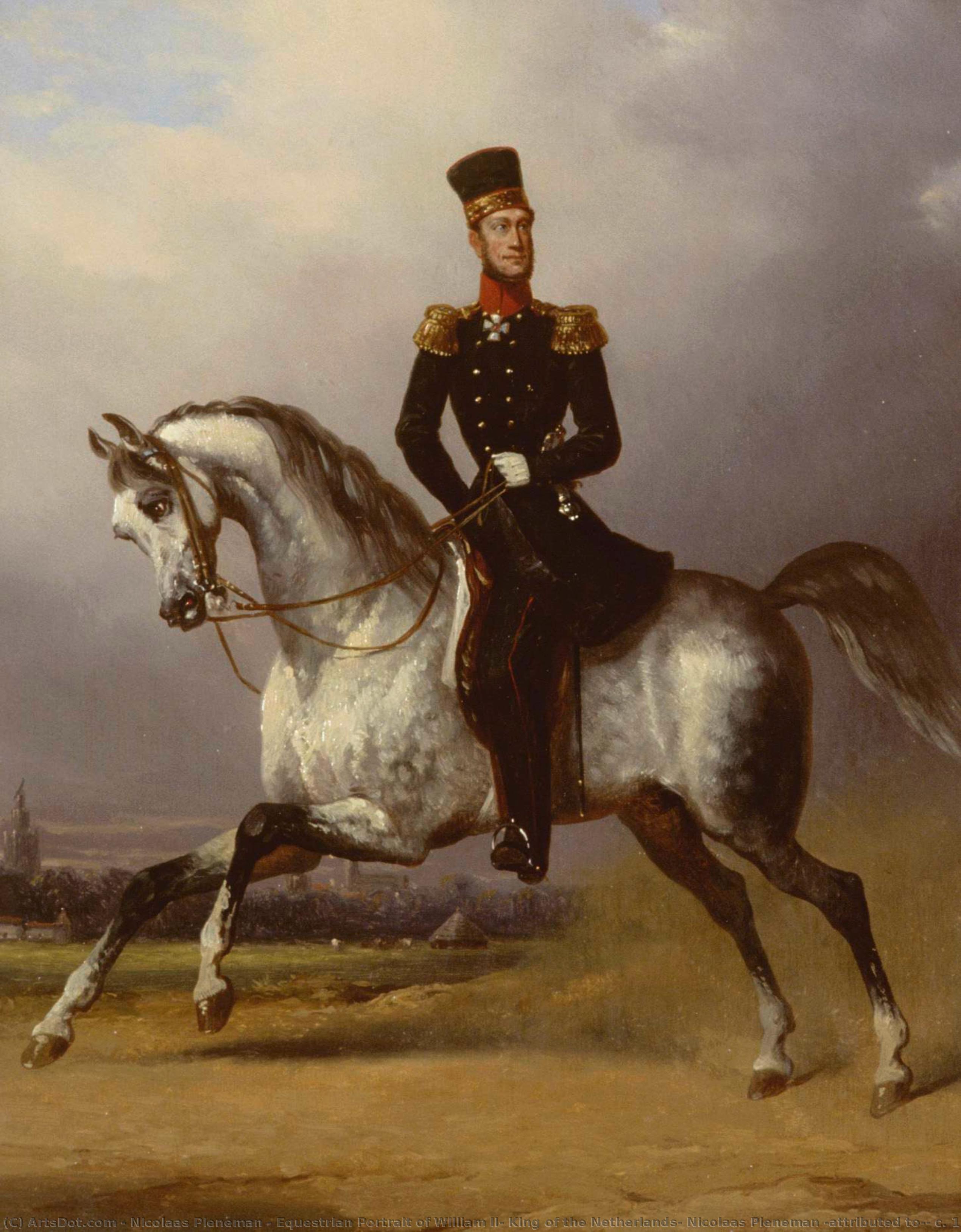
Equestrian Portrait of William II, King of the Netherlands, Nicolaas Pieneman (attributed to), c. 1830 - c. 1850
 1850
1850 29.0 x 24.0 cm
 Read More
Purchase a high-resolution, enhanced digital image, far superior to the online preview.
Each file is meticulously prepared by our in-house specialists using advanced tools and expert manual retouching. We ensure every image has exceptional clarity, precise color accuracy, and fine detail.
The final file is delivered via email within 72 hours, optimized for immediate use in professional, editorial, and print environments. This is the same quality trusted by top-tier design studios, publishers, and galleries.
Digital Image
Download a high-resolution file for personal display, printing, and creative projects. ( Buy Print Buy Hand Made Painting)
Included in Every Digital Image Order
Expert Digital Delivery, Guaranteed
When you choose ArtsDot.com, you're not just getting an image - you're receiving a professionally enhanced digital artwork, crafted with precision and backed by a satisfaction guarantee. Here's everything that comes with your order, automatically:

Fast Email Delivery
Your high-resolution digital image file will be emailed to you within 72 hours of ordering - ready for immediate use.

AI-Enhanced Digital File
Your artwork is professionally optimized using advanced AI tools and manual editing, ensuring maximum detail, clarity, and color accuracy.

Free Lifetime Re-Delivery
Accidentally deleted or lost your file? No worries - we'll resend it to you anytime, free of charge.

No Import Fees - Ever
Enjoy your artwork instantly with zero customs, duties, or delivery fees - digital downloads are always tax-free.

Color Accuracy Guarantee
We ensure your digital image reflects the original colors as closely as possible using professional tools and color management.

60-Day Satisfaction Guarantee
If you're not satisfied with your digital image, we'll revise it or refund 100% within 60 days - no questions asked.

100% Money-Back Guarantee
Not satisfied? Get a full refund within 60 days of receiving your digital file - no questions asked.

Bulk Order Discounts
Buy 3 images, save 10% - Buy 5, save 15% - Buy 10+, save 20%. Great for creative projects, galleries, and agencies.
Related Artworks










Artist Biography
Early Life and Artistic Foundations
Nicolaas Pieneman, born in Amersfoort on January 1st, 1809, entered a world already steeped in artistic tradition. His father, Jan Willem Pieneman, was a prominent figure in Dutch painting—a painter of considerable renown and the first director of the Royal Academy of Fine Arts in Amsterdam. This familial connection proved pivotal; Nicolaas’s earliest training occurred within his father's studio, laying the groundwork for a career that would mirror, yet also distinguish itself from, its progenitor’s path. He further honed his skills at the Royal Academy, benefiting from the tutelage of Jean Baptiste Madou, a painter known for his genre scenes and meticulous detail. This early education instilled in Nicolaas a strong foundation in technique, particularly an aptitude for precise rendering and composition—qualities that would become hallmarks of his style.A Specialization in History and Portraiture
Pieneman quickly found his niche specializing in paintings depicting recent historical events and portraits. The Netherlands in the first half of the 19th century was a nation actively constructing its identity following periods of upheaval, and Pieneman’s work directly engaged with this process. He wasn't merely recording history; he was *shaping* it through his artistic interpretations. His paintings weren’t simply representations of events but carefully crafted narratives designed to evoke specific emotions and reinforce national pride. This focus on recent history set him apart, allowing him to contribute to the burgeoning sense of Dutch patriotism. Beyond historical scenes, Pieneman excelled in portraiture, capturing not just likenesses but also the character and status of his sitters—often members of the aristocracy and political elite.Royal Patronage and Artistic Circle
A significant turning point in Pieneman’s career came through his friendship with William II of the Netherlands. This connection led to prestigious commissions, most notably painting the king's inauguration in 1840 – a monumental undertaking that solidified his reputation as a painter capable of capturing grand national moments. He continued to paint numerous members of the royal family, becoming something of an official court artist. These portraits weren’t confined to Dutch audiences; many were dispatched abroad as diplomatic gifts, serving as visual representations of the kingdom's power and sophistication. Pieneman wasn’t working in isolation; he cultivated a network of artistic relationships, mentoring several pupils including Jan Daniël Beijnon, Johannes Arnoldus Boland, and Conradijn Cunaeus, fostering the next generation of Dutch painters.Legacy and Historical Significance
Nicolaas Pieneman died on December 30th, 1860, in Amsterdam, leaving behind a body of work that reflects the political and cultural climate of his time. His paintings are not merely aesthetically pleasing; they offer valuable insights into the construction of Dutch national identity during the 19th century. He was more than just a painter—he was a visual storyteller, a chronicler of events, and a shaper of public perception. While later artistic movements like Realism and Impressionism would shift aesthetic priorities, Pieneman’s contribution remains significant. His meticulous technique, dramatic compositions, and engagement with historical narratives continue to resonate, offering a window into a pivotal period in Dutch history. He was honored as a member fourth class of the Royal Netherlands Academy of Arts and Sciences and by virtue of this, from 1852 of Natura Artis Magistra, and also a member of the Society Arti et Amicitiae. His grandson, bearing the same name, even participated in the art competition at the 1928 Summer Olympics, demonstrating the enduring legacy of artistic talent within the Pieneman family.Selected Achievements
- Painting of William II’s Inauguration (1840): A landmark commission that established his reputation.
- Portraits of the Royal Family: Numerous portraits used for both domestic display and diplomatic purposes.
- Contribution to Dutch National Identity: His historical paintings helped shape a sense of patriotism and collective memory.
- Mentorship of Emerging Artists: He guided several pupils who went on to become successful painters in their own right.

Quick Facts
- Artistic Movement Or Style: History painting, Portraiture
- Artists Or Movements Influenced By This Artist:
- Jan Daniël Beijnon
- Johannes Arnoldus Boland
- Artists Who Influenced This Artist:
- Jan Willem Pieneman
- Jean Baptiste Madou
- Date Of Birth: January 1, 1809
- Date Of Death: December 30, 1860
- Full Name: Nicolaas Pieneman
- Nationality: Dutch
- Notable Artworks:
- Inauguration of William II
- Portrait of King Willem III
- Place Of Birth: Amersfoort, Netherlands

