

 Preview
 Send
Send Share
Share
 Details

 Download
 Similars
 X-Ray
X-Ray Diaporama
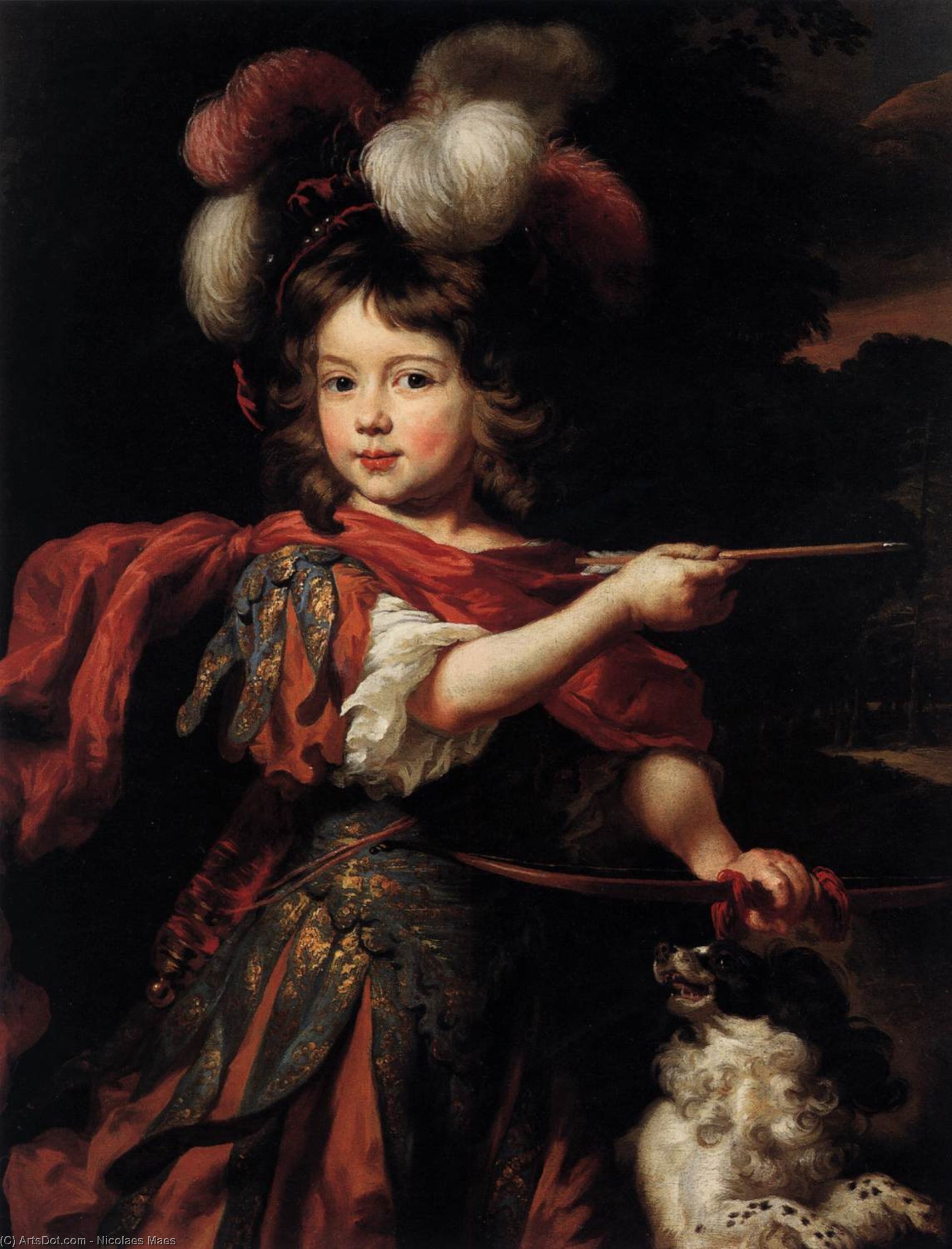
Portrait of a Boy as Adonis


 Read More
Purchase a high-resolution, enhanced digital image, far superior to the online preview.
Each file is meticulously prepared by our in-house specialists using advanced tools and expert manual retouching. We ensure every image has exceptional clarity, precise color accuracy, and fine detail.
The final file is delivered via email within 72 hours, optimized for immediate use in professional, editorial, and print environments. This is the same quality trusted by top-tier design studios, publishers, and galleries.
Digital Image
Download a high-resolution file for personal display, printing, and creative projects. ( Buy Print Buy Hand Made Painting)
Included in Every Digital Image Order
Expert Digital Delivery, Guaranteed
When you choose ArtsDot.com, you're not just getting an image - you're receiving a professionally enhanced digital artwork, crafted with precision and backed by a satisfaction guarantee. Here's everything that comes with your order, automatically:

Fast Email Delivery
Your high-resolution digital image file will be emailed to you within 72 hours of ordering - ready for immediate use.

AI-Enhanced Digital File
Your artwork is professionally optimized using advanced AI tools and manual editing, ensuring maximum detail, clarity, and color accuracy.

Free Lifetime Re-Delivery
Accidentally deleted or lost your file? No worries - we'll resend it to you anytime, free of charge.

No Import Fees - Ever
Enjoy your artwork instantly with zero customs, duties, or delivery fees - digital downloads are always tax-free.

Color Accuracy Guarantee
We ensure your digital image reflects the original colors as closely as possible using professional tools and color management.

60-Day Satisfaction Guarantee
If you're not satisfied with your digital image, we'll revise it or refund 100% within 60 days - no questions asked.

100% Money-Back Guarantee
Not satisfied? Get a full refund within 60 days of receiving your digital file - no questions asked.

Bulk Order Discounts
Buy 3 images, save 10% - Buy 5, save 15% - Buy 10+, save 20%. Great for creative projects, galleries, and agencies.
Collectible Description
Nicolaes Maes’s “Portrait of a Boy as Adonis”: A Window into Dutch Golden Age Identity
Nicolaes Maes's "Portrait of a Boy as Adonis," painted around 1670, is more than just a charming depiction of childhood; it’s a meticulously crafted window into the complex social and artistic currents of the Dutch Golden Age. This intimate genre scene, now residing in the Academy of Fine Arts Vienna, offers a captivating glimpse into the values, beliefs, and aesthetic sensibilities that defined a nation grappling with burgeoning wealth and a profound engagement with classical antiquity.
The painting immediately draws the eye to its central subject: a young boy, dressed in a vibrant red tunic reminiscent of ancient Greek attire. He holds a bow and arrow, instantly evoking the heroic figure of Adonis from Greek mythology – a youth renowned for his beauty and tragically slain by a boar. However, Maes doesn’t simply replicate a mythological narrative; he subtly infuses it with Dutch identity. The boy's serious expression, coupled with the carefully rendered details of his clothing and accessories—a feathered hat adding an element of aristocratic style—suggests a young gentleman being molded into a responsible citizen. The inclusion of two dogs – one positioned near the bottom right corner, the other towards the top left – adds a layer of domesticity and reinforces the theme of guidance and instruction.
A Masterclass in *Chiaroscuro* and Dutch Realism
Maes’s technical skill is immediately apparent. He employs his signature mastery of *chiaroscuro*, the dramatic interplay of light and shadow, to create a palpable sense of depth and volume within the composition. The rich, warm tones—particularly in the boy's clothing and the background—are meticulously applied, showcasing Maes’s ability to capture the subtle nuances of color and texture. The brushwork is remarkably controlled yet retains a lively energy, reflecting his influence from Rembrandt while simultaneously establishing his own distinct style.
Unlike many portraits of the era, which often prioritized idealized beauty, Maes presents a remarkably realistic depiction of childhood. The boy’s slightly furrowed brow and direct gaze convey intelligence and awareness, avoiding the overly sentimental or posed expressions common in earlier portraiture. This realism is further enhanced by the meticulous detail with which he renders the animals – their fur, feathers, and expressions are all rendered with remarkable accuracy.
Symbolism and the Dutch Enlightenment
Beyond its technical brilliance, “Portrait of a Boy as Adonis” is laden with symbolic meaning. The mythological reference to Adonis speaks to the enduring fascination with classical ideals of beauty, heroism, and virtue within the Dutch Golden Age. However, Maes subtly subverts this classical narrative by presenting the boy not as a tragic hero but as a young man being carefully instructed – a reflection of the prevailing values of the Dutch Enlightenment. The dogs, often interpreted as symbols of loyalty and guidance, reinforce this theme.
The inclusion of the bullfinch is particularly noteworthy. This small bird, perched on the boy’s hand, represents the concept of “sitting up” – a metaphor for discipline and self-control. It suggests that the boy is being taught to behave properly, mirroring the broader societal emphasis on education and moral development during this period. The painting, therefore, becomes a visual representation of the Dutch ideal of raising a virtuous citizen through careful instruction and guidance.
A Legacy of Portraiture
Nicolaes Maes’s “Portrait of a Boy as Adonis” stands as a testament to his skill and artistic vision. It exemplifies the sophisticated genre painting that flourished in Amsterdam during the late 17th century, capturing not only the likeness of its subject but also the spirit of an era defined by wealth, intellectual curiosity, and a deep engagement with classical traditions. Reproductions of this captivating work offer a unique opportunity to appreciate the nuances of Dutch Golden Age art and reflect on the enduring power of symbolism in shaping our understanding of identity and society.
Related Artworks

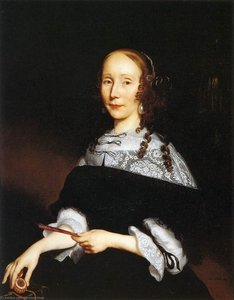
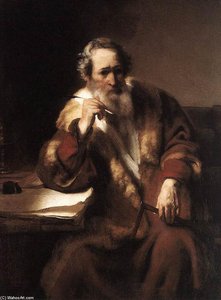
Artist Biography
A Life Immersed in Dutch Light and Shadow
Nicolaes Maes, a name resonating softly within the pantheon of Dutch Golden Age masters, was born in Dordrecht in January 1634 into a world brimming with mercantile prosperity and artistic ferment. His father, Gerrit Maes, a successful cloth merchant and soap boiler, provided a comfortable upbringing, allowing young Nicolaes to pursue his burgeoning talent for painting. While early instruction came from a local artist of modest renown, the pivotal moment in Maes’s development arrived when he journeyed to Amsterdam around 1648 and entered the workshop of Rembrandt van Rijn. This apprenticeship proved transformative, imbuing him with an enduring appreciation for the dramatic interplay of light and shadow – *chiaroscuro* – and a masterful command of color that would define his early works. The influence was so profound that initial paintings, such as depictions of biblical scenes rendered with life-size figures and rich, glowing hues, were often mistakenly attributed to Rembrandt himself. These formative years laid the groundwork for a career marked by both technical brilliance and an intimate understanding of human emotion.From Rembrandt’s Shadow to Independent Vision
Returning to Dordrecht in 1654, Maes began to forge his own artistic path, gradually distancing himself from direct imitation of his former master. The subsequent decade witnessed a shift towards smaller-scale domestic genre scenes, yet retaining the vibrant colorism he had absorbed during his time with Rembrandt. He turned his keen eye toward the everyday lives of Dutch citizens, depicting women engaged in commonplace activities – spinning wool, reading scriptures, preparing meals – with remarkable detail and sensitivity. A particular fascination emerged with the intricate art of lacemaking, inspiring numerous variations on this theme, each a testament to Maes’s meticulous observation and skill. These paintings weren't merely depictions of daily life; they were windows into the domestic sphere, revealing the quiet dignity and subtle narratives woven into the fabric of 17th-century Dutch society. His work during this period demonstrates an ability to capture not just *what* people did, but *how* they felt while doing it.The Portraitist of Amsterdam
In 1673, Maes relocated to Amsterdam, a move that signaled both artistic ambition and astute adaptation to the evolving art market. The city, still reeling from war with England and France, presented a burgeoning demand for portraiture, and Maes swiftly established himself as one of its leading practitioners. He abandoned much of his earlier genre work, focusing instead on capturing the likenesses and personalities of Amsterdam’s prominent citizens. His portraits are characterized by a refined elegance and psychological insight, revealing not only physical resemblance but also hints of character and social standing. Works like “Portrait of Gerard Röver, Merchant and Shipowner in Amsterdam” exemplify this skill, presenting a dignified portrayal of wealth and civic pride. He became adept at conveying status through subtle details – the quality of fabrics, the cut of clothing, the confident posture of his sitters. This period marked a significant stylistic shift, moving away from the earlier warmth and intimacy towards a more polished and sophisticated aesthetic.Legacy and Enduring Appeal
Nicolaes Maes passed away in Amsterdam in December 1693, leaving behind a substantial body of work that continues to captivate audiences today. His paintings offer invaluable insights into the social customs, domestic interiors, and psychological complexities of the Dutch Golden Age. While his early works bear the unmistakable imprint of Rembrandt’s influence, Maes ultimately developed a distinctive style characterized by its meticulous detail, vibrant color palette, and sensitive portrayal of human character. His ability to elevate everyday scenes and individuals to artistic significance ensures his place among the most important painters of his era. Today, his paintings are held in prestigious collections worldwide, including the Rijksmuseum in Amsterdam, the National Gallery in London, and the National Gallery of Art in Washington D.C., readily accessible for study and appreciation through platforms like ArtsDot.com, ensuring that the legacy of this masterful Dutch artist endures for generations to come.Key Characteristics of His Work
- Rembrandtian Influence: Early works demonstrate a strong influence from Rembrandt van Rijn, particularly in the use of chiaroscuro and rich color palettes.
- Genre Scenes: Maes is renowned for his intimate depictions of everyday life, focusing on domestic interiors and activities like spinning, reading, and lacemaking.
- Portraiture Mastery: He became a leading portrait painter in Amsterdam, known for capturing the likeness and character of his sitters with precision and elegance.
- Detailed Observation: His paintings are characterized by meticulous attention to detail, particularly in rendering textures, fabrics, and facial expressions.
- Psychological Insight: Maes possessed a remarkable ability to convey the inner lives and emotions of his subjects through subtle gestures and expressions.
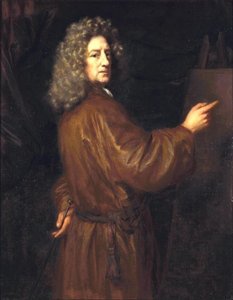
Nicolaes Maes
1634 - 1693 , Netherlands
Quick Facts
- Artistic Movement Or Style: Baroque, Dutch Golden Age
- Artists Or Movements Influenced By This Artist: ['Dutch genre painters']
- Artists Who Influenced This Artist: ['Rembrandt van Rijn']
- Date Of Birth: January 1634
- Date Of Death: December 1693
- Full Name: Nicolaes Maes
- Nationality: Dutch
- Notable Artworks:
- The Reverie
- Card Players
- Catharina Pottey
- Gerard Röver
- Portrait of a Woman
- Place Of Birth: Dordrecht, Netherlands

